Barbells often dominate leg day conversations, but dumbbells deliver serious lower body results without hogging squat rack real estate.
These versatile weights build muscle, strength, and coordination while giving you freedom to train anywhere—from crowded gyms to home setups.
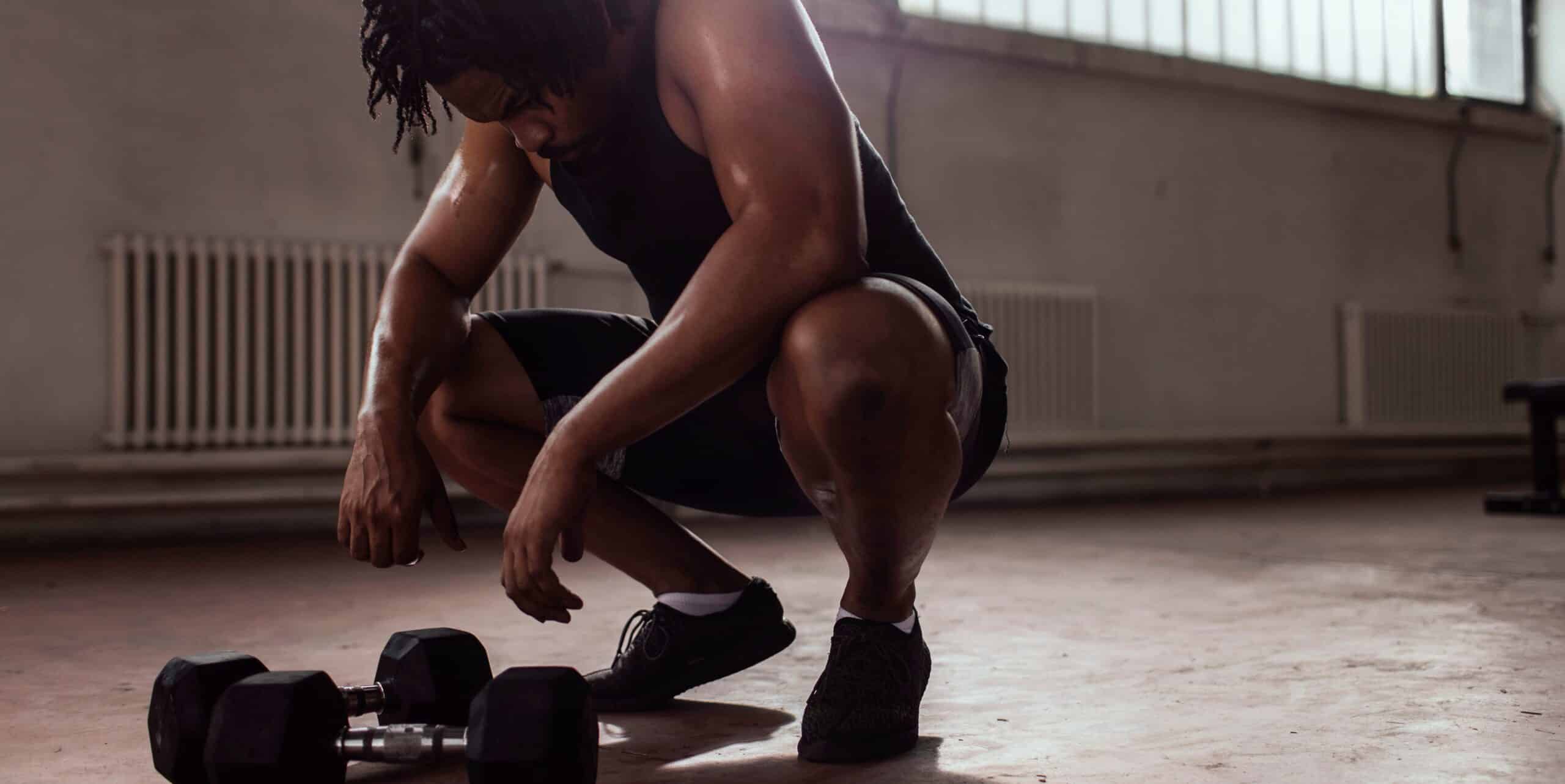
Men’s Health recently spotlighted a crushing four-move dumbbell leg workout that proves you don’t need heavy bars to develop powerful wheels.
Whether you’re working around equipment limitations or simply want fresh training stimulus, this routine transforms simple dumbbells into leg-building powerhouses.
Jump to:
Why Dumbbells Deserve Your Leg Day Attention
Dumbbells offer unique advantages that barbells and machines simply can’t match. Their unilateral training potential allows focused work on one leg at a time, building balanced strength and addressing weakness imbalances.
Unlike fixed machines, dumbbells require greater muscle recruitment for stabilization. This coordination challenge strengthens mind-muscle connections while engaging supporting muscles throughout each movement.
Accessibility makes dumbbells particularly valuable. Adjustable sets enable quick weight changes without walking back and forth to racks, and they’re far easier to store at home than barbells or cable systems.
The Four-Move Dumbbell Leg Destroyer
Goblet Squat: Foundation of Strength
This fundamental movement prioritizes proper form while allowing significant loading. Hold one dumbbell vertically at chest height, gripping one end with both hands underneath for support.
Critical technique points: Keep elbows high, shoulders engaged, and spine neutral throughout. Feet should sit roughly hip-width apart with weight distributed evenly across each foot.
Sink hips down and back as if sitting into a chair. Drop until thighs reach parallel with the floor—or deeper if mobility allows without heels lifting. Squeeze glutes hard and drive through feet to return standing, maintaining outward knee tracking.
Programming: 4 sets of 6 to 8 reps
Single-Leg Deadlift: Unilateral Hamstring Builder
Balance meets posterior chain development in this one-legged powerhouse. Hold dumbbells in each hand while standing on one foot, with the other hovering just off the ground—not kicked back dramatically.
Roll shoulder blades down and back, creating rigid torso tension. Maintain this tightness as you push your butt backward with slight knee bend, keeping hips and shoulders square to the floor.
Only lower as far as hamstring flexibility comfortably allows. Before lower back begins rounding, pause and squeeze the working glute to return upright. The non-working foot never touches down between reps.
Programming: 3 sets of 8 to 10 reps per leg
Reverse Lunge: Knee-Friendly Power Move
Stepping backward instead of forward creates a lower-impact option for front knee joints while maintaining serious training stimulus. Stand with feet shoulder-width apart, dumbbells held in chosen position.
Squeeze glutes and shoulder blades before movement begins. Step one leg back and slightly outward, landing toe-first to avoid slamming knees into the floor.
Maintain upright chest position while bending both knees to form right angles. Drive forcefully through front foot to step rear leg forward, returning to starting stance. Core engagement keeps torso solid and balanced throughout.
Programming: 3 sets of 8 to 10 reps per side
Lateral Lunge: Multi-Planar Movement Mastery
Breaking out of forward-and-back movement patterns, this side-to-side lunge trains frontal plane strength often neglected in traditional leg workouts. Hold one dumbbell in goblet position at chest height.
Take a substantial step directly sideways. Keep the opposite leg straight while bending the stepping leg’s knee and pushing hips backward. Slight forward torso lean is acceptable, but fight to maintain core tension preventing excessive tilt.
Lower until thigh reaches parallel to ground if possible. Explosively drive back to standing position, then repeat on the opposite side.
Programming: 3 sets of 6 to 8 reps per side
Three Essential Dumbbell Holding Positions
How you grip dumbbells significantly impacts exercise execution and loading capabilities.
Front Rack Position
Hold one or two dumbbells at shoulder height with rear heads resting on shoulders. This position works excellently for squats and lunges requiring upright torsos.
Goblet Position
Grip one dumbbell end vertically with both hands underneath, supporting weight at chest level. Perfect for goblet squats and lateral lunges where core engagement fights the front-loaded challenge.
Suitcase Position
Hold dumbbells at sides with tight grips, letting weights hang while shoulder engagement maintains upright posture. Ideal for deadlift variations and reverse lunges.
Who Benefits From Dumbbell Leg Training
Anyone with access to dumbbells can leverage this equipment for serious lower body development. Skipping leg training shortchanges overall fitness and athletic performance.
Balance and coordination improve through consistent lower body work. Strong legs enhance speed and explosiveness in running and field sports while protecting hips, knees, and ankles from injury.
Dumbbells enable greater movement freedom compared to fixed machines, making multi-planar exercises easier to execute. This creates more balanced workouts mimicking real-world movement patterns beyond standard both-feet-down positions.
Expand Your Dumbbell Leg Exercise Arsenal
Beyond the featured four-move workout, numerous effective dumbbell leg exercises deserve rotation into training programs:
- Step Up: Unilateral power developer targeting quads and glutes
- Split Squat: Stationary lunge variation building single-leg strength
- Romanian Deadlift: Hamstring and glute builder with hip hinge pattern
- Glute Bridge: Posterior chain activation with minimal equipment
- Bulgarian Split Squat: Advanced single-leg movement requiring balance
- Walking Lunge: Dynamic variation covering ground while building legs
- Deficit Reverse Lunge: Increased range-of-motion progression
Progressive Overload With Limited Equipment
Building muscle requires progressive challenge over time. Even with limited dumbbell weights, several strategies maintain training stimulus:
Tempo manipulation increases time under tension. Slow eccentric (lowering) phases to 3-4 seconds while maintaining explosive concentric (lifting) phases.
Increased volume through additional sets or reps challenges muscles differently when weight can’t increase. Shorter rest periods between sets elevate metabolic stress.
Unilateral exercises naturally increase difficulty since one limb handles loads typically shared between two. Single-leg variations provide progression paths without needing heavier weights.
Building Complete Lower Body Strength
Comprehensive leg development requires targeting all major muscle groups through varied movement patterns. This four-move workout addresses quads through squats and lunges, hammers hamstrings and glutes via deadlifts, and incorporates multi-planar movement through lateral lunges.
Frequency matters as much as exercise selection. Training legs twice weekly with adequate recovery between sessions optimizes strength and muscle gains without overtraining.
Dumbbells democratize effective leg training, removing barriers of expensive equipment or crowded gym facilities. Consistency and progressive challenge matter far more than specific implements used.
Whether barbells are unavailable or you’re intentionally seeking training variety, dumbbells deliver serious lower body development. This accessible approach builds functional strength translating to improved performance in sports, daily activities, and long-term health.