Fat loss doesn’t have to mean endless cardio, bland meals, or giving up your social life.
According to Paul Revelia, a lifelong natural bodybuilder and coach with over 15 years of experience, the key might be a smarter, more sustainable strategy.
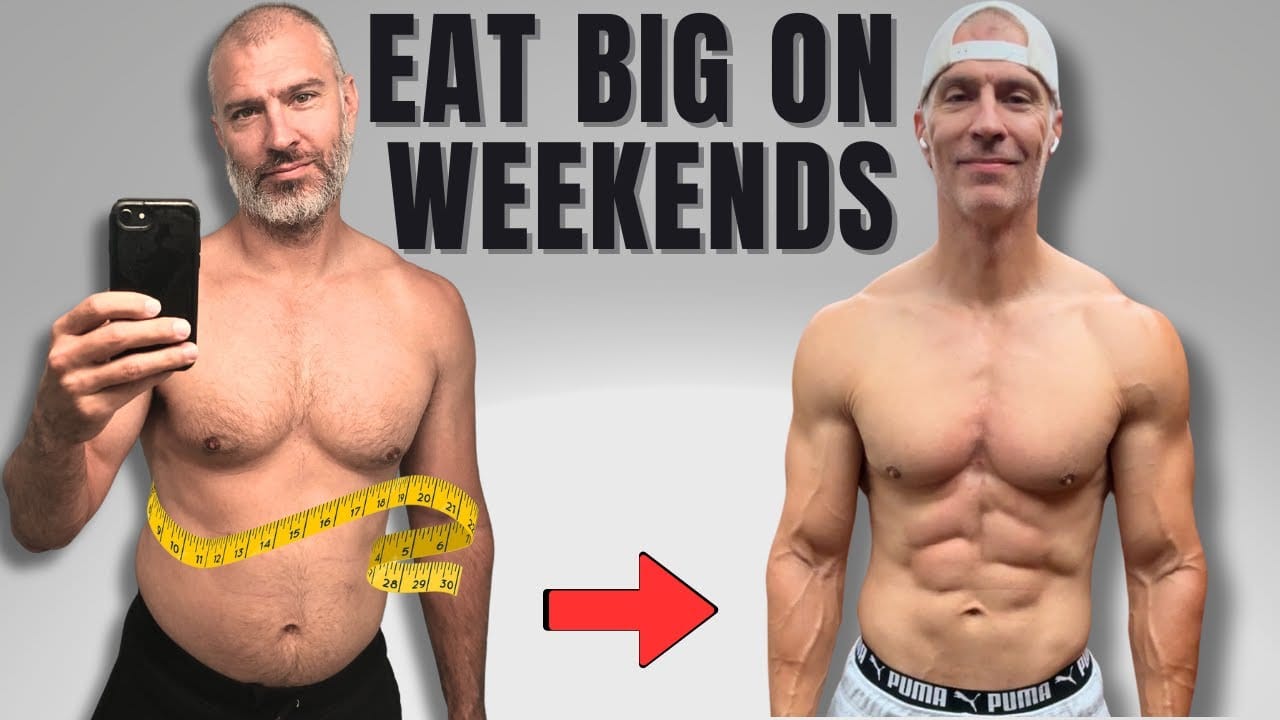
In a recent video on his Pro Physique channel, Paul introduced a flexible dieting approach that has helped both himself and his clients stay lean without burning out.
It revolves around something he calls “banking calories.”
This concept may change the way you view your weekly nutrition—and make fat loss feel a lot more realistic.
Jump to:
- Why banking calories could be your fat loss breakthrough
- How it works: creating a weekly calorie budget
- Fat loss isn’t about perfection—It’s about consistency
- Flexible dieting: freedom within structure
- Practical tips for success with calorie banking
- Extreme results require extreme focus—temporarily
- Stuck? Set a deadline and get support
- The bottom line
Why banking calories could be your fat loss breakthrough
Most diet plans fail because they feel like punishment.
But what if you could eat lighter Monday through Friday and free up extra calories for weekends, events, or just dinner with friends?
That’s the heart of the “calorie banking” approach.
Instead of maintaining a flat daily calorie intake, Paul recommends reducing intake on weekdays and allowing more flexibility on weekends—so long as the weekly average stays in a calorie deficit.
“The idea is you’re banking calories during the week so you can spend them on the weekend,” Revelia explains. “It creates a system where people don’t feel deprived.”
How it works: creating a weekly calorie budget
Let’s say your daily fat loss calorie target is 1,800 calories.
Over a week, that totals 12,600 calories. Instead of eating exactly 1,800 daily, you could adjust like this:
- Monday–Friday: Eat 1,600 calories/day = 8,000 calories
- Saturday–Sunday: Eat 2,300 calories/day = 4,600 calories
- Total weekly intake: 12,600 calories = deficit still achieved
This approach allows you to manage hunger, social events, and cravings while continuing to move toward your goals.
Fat loss isn’t about perfection—It’s about consistency
Paul highlights one of the biggest myths in dieting: that every single day needs to look exactly the same.
“Your metabolism isn’t resetting at midnight,” he says. “It’s about the bigger picture over time.”
What matters most is consistency in your weekly intake and staying accountable—especially during high-calorie days.
That’s where many people go wrong. They restrict too much Monday through Friday, then abandon structure on weekends. Eating 1,500 during the week but 3,500 on the weekend can easily wipe out progress.
“The danger is in losing accountability,” Paul warns.
Flexible dieting: freedom within structure
Paul’s model isn’t just about calorie banking—it’s about overall flexibility in food choices and strategy.
He champions a method called flexible dieting, which grants you permission to eat all types of food—so long as you hit your calorie and macronutrient targets.
“There are no bad foods,” he says. “Different foods offer different benefits, but it’s all just energy. You can have fries or broccoli—as long as it fits your goal.”
This mindset shift helps people drop the “all or nothing” thinking that leads to binge-restrict cycles and burnout.
Does flexible dieting mean tracking macros?
In short—yes.
The key to success with calorie banking and flexible dieting is understanding your personal macronutrient needs—protein, carbs, and fats—and making daily or weekly adjustments based on your lifestyle.
If you’re unsure where to start, Paul offers a free macro calculator that gives you custom recommendations based on your goals.
Knowing your numbers adds structure to your flexibility, helping you hit your targets with less guesswork.
Practical tips for success with calorie banking
- Use a food tracking app like MyFitnessPal or Cronometer to monitor calories and macros
- Plan weekday meals in advance to hit your lower calorie target with foods you enjoy
- Include high-protein, high-volume foods (like lean meats, vegetables, Greek yogurt) to stay full longer
- Stay active during low-calorie days but avoid extreme cardio to prevent burnout
- Have a plan for the weekend—enjoy your meals, but track them and stay honest
Paul’s own routine is telling—on weekdays, he eats the same breakfast, lunch, and dinner nearly every day. On weekends, he allows more variety, including going out for drinks and having pizza with friends.
“Because I have a system, it balances out,” he says. “I don’t feel deprived, and I don’t feel out of control.”
Extreme results require extreme focus—temporarily
Paul once dieted down to below 5% body fat to win bodybuilding competitions. But, he notes, that level of leanness isn’t sustainable for most people—and rebounding afterward is common.
“There’s a pendulum swing after extreme dieting,” he shares. “Now, I stay around 10% with low effort because I’ve found a sustainable strategy that works for me.”
He emphasizes identifying your personal sweet spot—the body fat level you can maintain without excessive restriction.
Stuck? Set a deadline and get support
One of Paul’s top recommendations for anyone lacking momentum is to create a sense of urgency and accountability.
He runs 90-day transformation challenges that include coaching, support groups, and hard deadlines—three powerful motivators that combine to fuel change.
“What’s the North Star you’re working toward?” he asks. “If it’s important enough, you’ll make the changes.”
Check out some of the transformations from past challenges—many clients saw dramatic improvements in both physique and confidence by simply having structure and a timeline.
The bottom line
You don’t need to be perfect every day to make meaningful, lasting progress.
By “banking” calories throughout the week and dieting flexibly, you make fat loss achievable with fewer sacrifices—and fewer meltdowns.
“You can be flexible and still get results,” Paul says. “You just have to be honest with yourself and pay attention to the data.”
For anyone feeling stuck, burned out, or intimidated by traditional dieting, this could be the mindset shift that makes everything click.