Cutting too hard is one of the fastest ways to lose muscle you spent years building.
Cutting too softly, meanwhile, can stretch a diet across many frustrating months.

In a recent RP video, exercise scientist and RP co-founder Dr. Mike Israetel tackled a deceptively simple question: how aggressive should your cut actually be?
Answer depends on several variables most dieters never consider.
Keep reading to find your sweet spot, plus a simple method for adjusting when the scale stalls.
Jump to:
The Short Answer: Moderate Beats Extreme
Sports nutrition guidance commonly points to roughly 0.5% to 1% of bodyweight lost per week as a sensible range for most lifters.
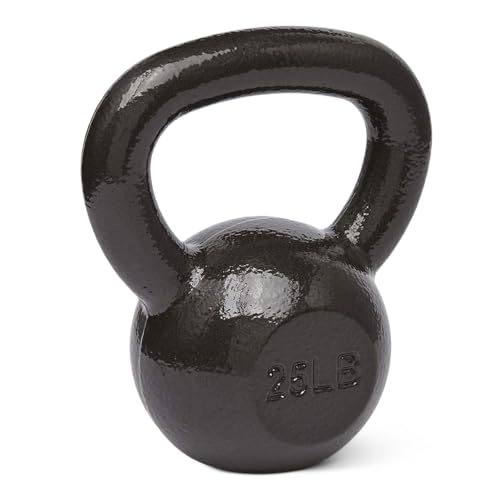
If you want something simple that actually works, this is one of the most effective tools I’ve used to build strength, conditioning, and endurance without needing a full gym setup.
- Full-body training with one weight using swings, squats, and presses
- Solid cast iron build that feels stable and lasts for years
- Comfortable grip that makes high-rep workouts easier to handle
For a 200-pound person, that works out to about 1 to 2 pounds weekly. Slower than crash-diet fantasies, yes. Far more sustainable, too.
Why Faster Cuts Often Backfire
Bigger deficits sound efficient. Real life tends to disagree.
- Muscle loss risk climbs: steeper deficits make holding onto lean tissue harder, especially for lean lifters.
- Training quality drops: low energy means weaker sessions and slower recovery.
- Hunger intensifies: cravings and mental fatigue pile up fast.
- Adherence suffers: a plan you abandon in week three delivers nothing.
Consistency wins. A moderate plan followed for twelve weeks beats an extreme one quit after four.
What Decides Your Ideal Pace?
No single number fits everyone. Four factors matter most:
- Starting body fat: more fat to lose allows a faster rate.
- Timeline: a firm deadline, like a photoshoot or vacation, may justify a firmer deficit.
- Training goals: anyone prioritizing strength or muscle retention should lean gentler.
- Personal tolerance: some people handle hunger well, others unravel quickly.
Already Lean? Slow Down
Leaner dieters have less energy reserve to draw from. Aim near the low end of the range, around 0.5% of bodyweight weekly.
More Fat to Lose? You Have Room
Higher starting body fat typically tolerates a quicker pace, closer to 1% weekly. As leanness increases, pace should ease off.
If you want something simple that actually works, this is one of the most effective tools I’ve used to build strength, conditioning, and endurance without needing a full gym setup.
- Full-body training with one weight using swings, squats, and presses
- Solid cast iron build that feels stable and lasts for years
- Comfortable grip that makes high-rep workouts easier to handle
How to Set Your Deficit in Practice
A pound of body fat is often estimated at around 3,500 calories. By that rough math, a 500-calorie daily deficit lands near one pound weekly.
Treat that as a starting estimate, not a promise. Metabolism adapts, water weight fluctuates, and tracking errors creep in.
- Pick a target rate based on your body fat and timeline.
- Weigh daily and compare weekly averages, not single mornings.
- Adjust by 100 to 200 calories if progress runs well ahead or behind target.
- Keep protein high and training heavy to protect muscle.
- Reassess every two weeks rather than panicking over one bad weigh-in.
Red Flags Your Cut Is Too Aggressive
Your body usually sends warning signals first. Watch for these:
- Strength dropping sharply across several sessions
- Persistent exhaustion or poor sleep
- Constant food obsession
- Stalled recovery between workouts
- Mood swings that spill into daily life
Several flags together? Ease the deficit. A small calorie bump costs far less than losing hard-earned muscle.
Smart Tweaks That Make Cutting Easier
- Prioritize protein: many lifters aim for roughly 0.7 to 1 gram per pound of bodyweight daily.
- Fill up on volume: vegetables, fruit, and lean proteins deliver fullness for fewer calories.
- Walk more: extra daily steps add expenditure without taxing recovery like extra cardio sessions.
- Protect sleep: poor rest amplifies hunger and saps training quality.
Medical conditions, pregnancy, or a history of disordered eating call for professional guidance before any deficit begins.
Slow and steady really does win here. Choose a pace you can hold, track honestly, and adjust with data instead of emotion.
If you want something simple that actually works, this is one of the most effective tools I’ve used to build strength, conditioning, and endurance without needing a full gym setup.
- Full-body training with one weight using swings, squats, and presses
- Solid cast iron build that feels stable and lasts for years
- Comfortable grip that makes high-rep workouts easier to handle