Building a serious home gym should not empty your wallet, and the smartest way to stretch a budget is to know exactly where refurbished commercial gear outlasts brand-new consumer gear. This guide shows you how to plan the spend, judge durability by category, inspect like a technician, and assemble a room that trains hard for years. You will see clear definitions, practical checklists, and side-by-side comparisons that remove guesswork.
If you lift, cycle, row, rehab, or just want a garage gym that feels like a pro facility, this is for you.
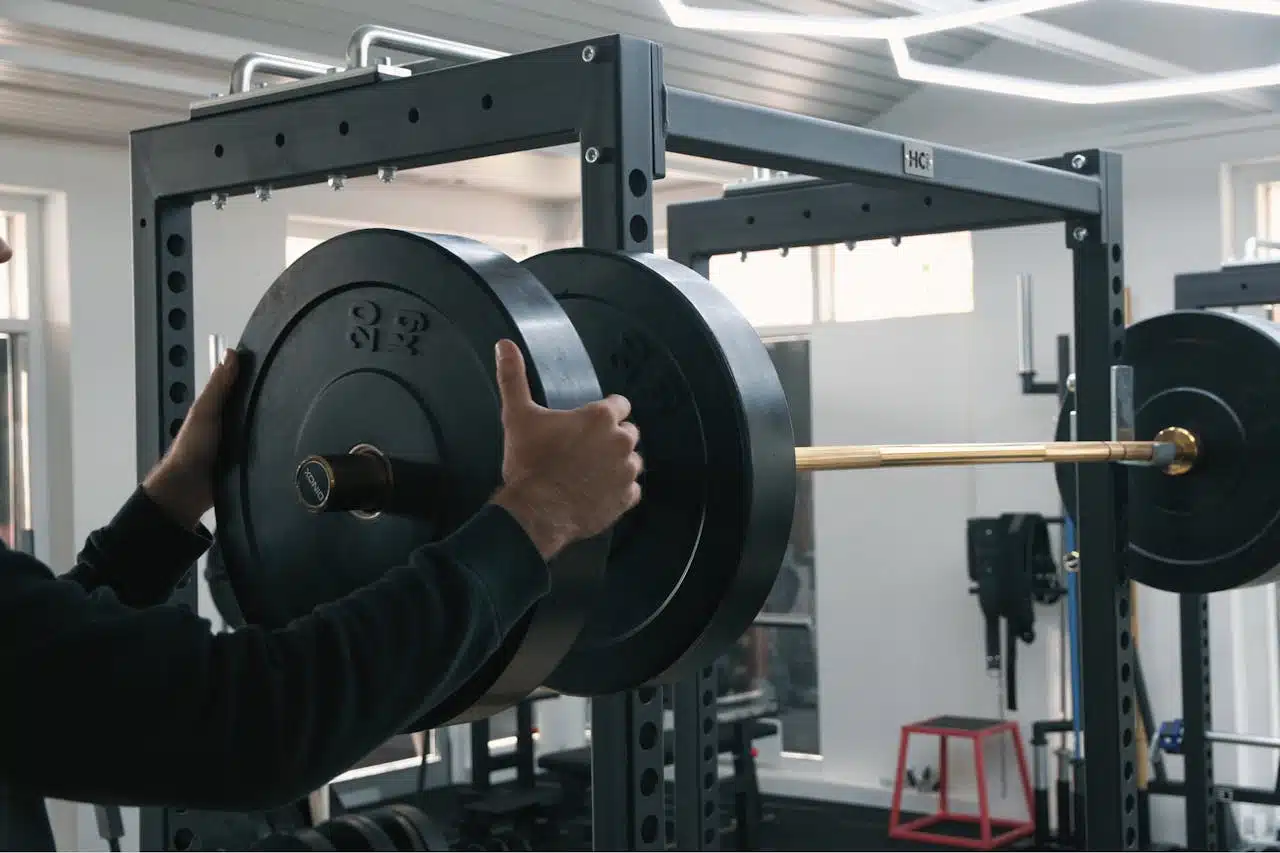
You will leave with a realistic budget model, inspection steps, and three build plans you can copy today.
Jump to:
- What does “commercial-grade” actually mean for home gyms?
- Refurbished vs. New — which actually lasts longer at home use levels?
- What categories of equipment make the smartest “refurb vs. new” buys?
- The refurbishment process — what “good” actually looks like
- Cost and total cost of ownership — where the real savings sit
- How to inspect used or refurbished equipment before you buy
- Space, layout, and flooring that make commercial gear work at home
- Maintenance that extends lifespan — simple routines that pay off
- Brand tiers and parts availability — how to avoid orphaned machines
- Noise, power, and connectivity — living with commercial gear at home
- Build plans — three example home gyms at different budgets
- When to walk away — signals a deal will cost you more than new
- Frequently asked questions about refurbished gym equipment
- Final checklist and next steps
What does “commercial-grade” actually mean for home gyms?
Commercial-grade equipment is hardware that meets facility duty cycles, serviceability standards, and safety tolerances for all-day use. The label is not marketing fluff; it reflects frame steel thickness, weld quality, bearing and bushing selection, cable diameter, motor duty rating, and electronic robustness.
Commercial frames use heavier gauge steel with continuous welds, not stitch points.
Commercial pulleys spin on sealed bearings rather than loose bushings that wear quickly.
Commercial treadmills run continuous duty motors, not peak-rated motors; the specification matters for heat and lifespan.
Objective markers to spot true commercial spec
- Frame steel thickness stated or implied by weight and gauge
- Rated user weight comfortably above your own with margin
- Continuous duty motor specs for treadmills or steppers
- Warranty tiers that include commercial facility use, even if you are at home
- Parts availability windows with documented diagrams and SKUs
For baseline context on key mechanisms, review bearings, bushings, and wear in the Bearing article.
If you need a quick primer on why resistance training benefits long-term health, skim Strength training.
Refurbished vs. New — which actually lasts longer at home use levels?
Refurbished commercial gear typically lasts longer than new consumer gear under home duty because the underlying frames and drivetrains were built for higher loads and longer cycles. A proper refurb replaces high-wear parts, resets cosmetics, and verifies electronics, while the lighter-duty consumer unit relies on lighter frames and smaller components that age out faster.
At equal budget, refurbished commercial often includes serviceable parts and published diagrams, which lowers lifetime cost.
At the very high end, brand-new commercial equipment is outstanding but rarely necessary for a single user.
The real pivot is quality of refurbishment and your willingness to perform simple maintenance.
Head-to-head comparison table (durability, cost, warranty, serviceability)
AttributeRefurbished CommercialNew CommercialNew Consumer
Expected lifespan at home use 8 to 15 years 10 to 15 years 3 to 7 years
Annual maintenance Low to moderate with simple lubrication Low with scheduled service Low at first then rising after warranty
Upfront cost Low to medium High Low to medium
Parts availability Strong with diagrams and SKUs Strong direct from OEM Mixed and often limited
Noise and vibration Low when tuned Low Mixed; lighter frames vibrate more
Footprint Larger, modular Larger, modular Compact but less stable
Resale value High due to brand and spec Highest but expensive in Moderate and drops quickly
Typical warranty Refurbisher parts and labor tiers Full OEM multi-year 1 to 2 years consumer tiers
Advantages of buying refurbished commercial gear
The upside is real and measurable for home use.
There are 7 advantages:
- Reduce total cost by accessing pro hardware at a fraction of new
- Extend lifespan because frames and drivetrains were overbuilt for facilities
- Preserve resale value thanks to recognizable commercial brands
- Improve feel under load with stiffer frames and smoother bearings
- Increase serviceability through replaceable parts and published diagrams
- Access pro features like precise increments, robust safeties, and adjustability
- Lower environmental impact by reusing heavy steel and electronics
Limitations of buying refurbished commercial gear
Constraints exist and they matter in delivery and setup.
There are 6 disadvantages:
- Increase delivery complexity due to weight, stairs, and door widths
- Lack full manufacturer warranty if the refurbisher provides only limited terms
- Require upfront inspection knowledge to avoid hidden issues
- Mismatch advanced consoles or proprietary electronics with modern apps
- Limit color or finish options compared to ordering new
- Risk hidden corrosion or pitting if refurbishment was cosmetic only
What categories of equipment make the smartest “refurb vs. new” buys?
Equipment categories are groupings of machines and free-weight tools that behave differently under wear, and choosing by category fits a budget strategy because durability varies with mechanism and use. Strength frames and selectorized machines excel as refurbished buys because steel and pulleys age gracefully when reconditioned.
Barbells and certain electronics-heavy cardio pieces can make sense new due to warranties and precision tolerances.
Decide by mechanism, not brand hype.
Verdicts by category
- Power racks: refurb wins for steel and weld longevity if inspection passes
- Adjustable benches: refurb often wins; look for solid ladders and pads
- Free weights and plates: refurb or used wins; iron is iron if not cracked
- Selectorized machines: refurb often wins with new cables and pulleys
- Plate-loaded machines: refurb wins; simple levers last
- Barbells: new often wins for sleeves, knurl, warranty, and known history
- Cardio machines: case-by-case; refurb for commercial rowers and fan bikes, new or thoroughly refurbed for treadmills and ellipticals
Power rack
Power rack is a steel structure that provides adjustable bar positions and safety catches for barbell training, and it fits this article because a rack is the backbone of any strength-focused home gym. Look for 3 by 3 inch uprights, 11-gauge steel, Westside or consistent hole spacing, and options for strap or pin safeties.
A modular rack future-proofs accessories and improves resale.
Secure anchoring prevents sway and noise.
Inspection points
- Check for rust at base plates and inside uprights
- Scan welds for undercut or cracks and uniform beads
- Confirm uprights are plumb and holes are consistent
- Inspect hardware threads and tighten with torque spec
- Verify accessory compatibility such as j-cups and spotter arms
Adjustable bench
Adjustable bench is a support platform with variable back and seat angles for presses and rows, and it fits the build because stability dictates safety and power transfer. A triangulated frame with a wide base and dense pads reduces wobble and soft sink.
Ladder mechanisms tend to be simpler and more durable than single pop pins.
Transport wheels help in compact rooms.
What to check
- Pad wobble under load and mounting integrity
- Gap size between pads at flat and incline
- Angle accuracy at common stops like 0, 30, 45, 60 degrees
- Caster condition and axle play
- Coating wear at high-contact edges
Selectorized machine
Selectorized machine is a cable-driven station with a weight stack and pulleys, and it fits home gyms where hypertrophy or rehab requires controlled resistance increments. Look for smooth cable travel, accurate pulley ratios, and consistent stack alignment.
Replace frayed cables and pulleys during refurbishment to reset lifespan.
Check range-of-motion stops and upholstery stitching.
Five quick checks
- Cable fray or kinks and proper crimp ends
- Pulley bearings that spin freely without chatter
- Stack alignment and guide rod condition
- Upholstery seams and foam density
- Range limits and safeties for clean starts and finishes
Cardio machines
Cardio machines are powered or manual devices that load the cardiovascular system for endurance, and they fit home setups where conditioning rounds out strength. Common types include treadmills, ellipticals, bikes, rowers, and stair climbers.
Commercial rowers and fan bikes refurb well due to simple drivetrains.
Treadmills require deeper inspection of motor, deck, belt, and electronics.
Home-use priorities
- Motor duty and amp draw relative to your circuit
- Belt and deck wear measurements with service logs
- Drive system type and bearing condition
- Console support, firmware, and available parts
- Noise and vibration expectations for neighbors and family
The refurbishment process — what “good” actually looks like
Refurbishment is a process that tears down, replaces wear items, restores finishes, and verifies electronics against a QC checklist, and it is usable here because it predicts lifespan beyond cosmetics. A serious refurb includes triage, full disassembly, media blasting and powder coat, new bearings or bushings, cable replacement, belt and deck service, motor testing, console firmware updates, calibration, burn-in, and final QC sign-off.
You should receive paperwork that proves each stage.
You should see evidence that the vendor did more than clean and paint.
Documentation to request
- Work order checklist covering each subsystem
- Replaced parts list with SKUs and suppliers
- Motor hours or usage counter log before and after
- Belt or deck readings and tension specs for treadmills
- Console firmware version and change notes
- Load test or burn-in results with run time
- Final QC sign-off with technician name and date
Warranty tiers and service paths on refurbished gear
The most reliable coverage combines parts and labor for at least a year with clear service logistics. Parts-only warranties can be acceptable if the refurbisher stocks spares and provides phone support for DIY fixes.
Shop service can work for non-critical issues, but on-site options are ideal for heavy cardio pieces.
Look for coverage language that mirrors commercial standards even if you are a residential customer.
Red flags to avoid
- Thirty-day coverage only or vague promises
- No parts sourcing guarantees or diagrams
- No burn-in proof or load test metrics
- Resale restrictions that void support on transfer
Cost and total cost of ownership — where the real savings sit
Typical refurbished commercial prices in USD or EUR land roughly like this: racks 300 to 800, adjustable benches 250 to 600, barbells new 250 to 500, plates used 1.5 to 3 per kilo or 0.7 to 1.3 per pound, selectorized single-stations 900 to 2,000, commercial treadmills 1,200 to 3,000 depending on hours and console. New commercial often doubles or triples those numbers.
Add delivery, assembly, flooring, and small parts to see total cost.
Your savings come from buying frames and simple mechanisms refurb and reserving new for precision bars and high-risk electronics.
There are 7 cost factors
- Freight and crating add meaningful cost for heavy items
- Stairs or curb fees complicate last-mile logistics
- Power requirements may demand a dedicated circuit
- Consumables like belts, pads, and batteries recur annually
- Lubrication schedules prevent early wear and should be budgeted
- Firmware support can require paid updates over time
- Resale value delta favors commercial brands if you upgrade later
Sample budgets by training style
You can hit three common goals without breaking the bank.
Pick the mix that fits your space and priorities.
- Powerlifting focus: refurb rack, refurb flat bench, used plates, new barbell, collars and mats, total 1,200 to 1,800
- Hypertrophy focus: refurb rack, refurb adjustable bench, refurb selectorized lat or chest, used dumbbells, total 1,800 to 2,800
- Endurance plus strength: refurb fan bike or rower, refurb rack and flat bench, kettlebells, bands, total 1,500 to 2,400
How to inspect used or refurbished equipment before you buy
Your inspection is an eight-step process that moves from identity to function to documentation. Begin with serial and model verification to confirm age and parts availability.
Scan frames and welds with strong light for cracks, corrosion, and repairs.
Spin drivetrains or bearings by hand to detect roughness or play.
Audit cables and pulleys for alignment and fray.
Run electronics or consoles through diagnostics and update menus.
Perform noise and vibration checks at working speeds.
Verify safety hardware like pins, straps, e-stops, and guards.
Review documentation and the refurb checklist before paying.
Bring these tools
- Flashlight or headlamp for welds and internals
- Caliper or feeler gauge for cable, belt, or pad thickness
- Level or smartphone inclinometer for bench angles and rack plumb
Safety and compliance checks
Safety should clear a simple pass or fail line at inspection. Confirm labeling for standards where applicable, verify pinch-point guards, test emergency stops on powered machines, and push on frames to check stability.
A safe machine is one that resists tip, stops quickly, and protects contact surfaces.
A grounded plug with intact insulation is not optional.
Acceptance criteria
- No structural cracks, bent uprights, or compromised welds
- Anchoring plan or sufficient mass to prevent movement
- Guards and shields intact with proper fasteners
- Emergency stop functional and tested under load
- Grounded power with correct cord and plug rating
Space, layout, and flooring that make commercial gear work at home
Layout is a plan that aligns equipment, power, airflow, and cleaning so commercial gear feels at home. Measure ceiling height, door widths, and the path from curb to final location.
Treadmills may require dedicated 15 to 20 amp circuits; verify before delivery.
Ventilation and fan placement keep motors cool and people comfortable.
Layout tips
- Zone strength and cardio to separate chalk and sweat
- Keep walkways clear for loading plates and moving safely
- Anchor racks to concrete or use approved platforms
- Place mirrors to check form without glare
- Use 8 to 12 mm mats under racks and heavier tiles under cardio
- Manage sweat and chalk with wipes, brushes, and storage
Maintenance that extends lifespan — simple routines that pay off
Simple routines deliver big gains in longevity and silence. A calendar with recurring reminders will do more than any warranty.
Do a quick monthly scan and a quarterly deep pass.
Stock a small kit of lube, threadlocker, rags, and hardware.
There are exactly 7 routines
- Lubricate treadmill belt and deck at the interval the OEM recommends
- Lubricate selectorized cables lightly and replace at visual wear thresholds
- Check bearings for play or noise and replace when rough
- Torque-check fasteners on racks and benches to spec
- Clean and condition upholstery to prevent grime cuts
- Prevent rust by drying sweat and touching up chips
- Update console firmware and replace console batteries as needed
Brand tiers and parts availability — how to avoid orphaned machines
Brand tiers are categories of manufacturers that differ in global presence, parts catalogs, and third-party support, and choosing the right tier fits a longevity mindset because parts and diagrams save projects later. Tier A global commercial brands keep parts for years and maintain drawings.
Tier B regional commercial brands can be excellent if you confirm spares.
Consumer-plus brands vary; check forums and lead times.
How to research before buying
- Pull parts diagrams and confirm SKU availability
- Call support to time response and ask about legacy models
- Check community forums for common fixes and workarounds
- Ask lead times for big items like motors or consoles
- Verify aftermarket equivalents for belts, bearings, or pads
Noise, power, and connectivity — living with commercial gear at home
Living with pro gear is easy when you plan for electricity and sound. Treadmills pull real current at startup, so keep them on dedicated circuits.
Flywheel or magnetic drives run quieter than loose chains, and routine lube quells squeaks.
Connectivity can help or hinder; lock-in to proprietary consoles can annoy home users.
Mitigation ideas
- Use line conditioners or surge protection on powered units
- Add rubber underlay to reduce vibration transfer to neighbors
- Keep a simple lube schedule to silence belts and bearings
- Place fans for both athletes and motor cooling
- Prefer equipment with offline workout modes and standard Bluetooth or ANT+
Build plans — three example home gyms at different budgets
Each plan uses the refurb vs. new logic above and can be installed in a single-car garage or spare room. You will see a shopping list and why each line is refurb or new.
Pick the plan closest to your goals and space.
Adjust line items for local deals.
- Starter Strength Core under a modest budget
- Refurb rack, refurb flat bench, used iron plates, new medium-whip barbell for warranty and straightness, mats and collars
- Balanced Strength plus Conditioning mid-budget
- Refurb rack and adjustable bench, refurb selectorized lat or chest, refurb fan bike or rower, used dumbbells
- Compact Performance higher budget
- Refurb commercial treadmill with documented deck or belt service, new adjustable dumbbells for space, compact cable attachment set
Space and power notes
- Verify treadmill circuit and breaker rating
- Leave bar path clearance in front of racks and benches
- Use thicker tiles under cardio to control vibration
If you want a one-stop source for vetted refurbished options and parts support, browse the inventory at Best Used Gym Equipment for commercial treadmills, selectorized stations, and free weights that fit a budget build.
For lighting that flatters mirrors and reduces glare while you lift, look at project planning resources from Relumination so your space feels bright, even, and safe.
When to walk away — signals a deal will cost you more than new
Walk away immediately if safety, serviceability, or parts are in doubt. A bargain that hides structural damage or obsolete electronics is not a bargain.
Trust your checklist and your nose; ozone smell from a motor under load often signals insulation trouble.
If the console shows error codes and the OEM no longer supports firmware, leave it behind.
Six red flags to respect
- Cracked frames or visibly bent uprights
- Pitted guide rods that chew bushings and stack travel
- Motor that smells hot or surges after warm-up
- Console error codes with no firmware path or parts
- Cable bird-caging or crushed pulley grooves
- Discontinued proprietary parts with no aftermarket equivalent
Frequently asked questions about refurbished gym equipment
Refurbished gear can last eight to fifteen years at home because duty cycles are low and maintenance is simple. Barbells from unknown history are a risk because sleeves, bearings, and straightness are hard to verify without tools, so new bars are safer.
Mixing brands generally works if hole spacings and attachment standards match, so measure.
Cosmetic wear rarely matters if structure and mechanics are healthy.
Rapid Q and A
- Expected lifespan at home: often longer than in a facility due to low hours
- Safe maximum loads on older racks: check gauge and bolts; most commercial racks exceed home needs
- Sanitizing upholstery and grips: mild detergent plus vinyl conditioner and routine wipes
- Do cosmetic scratches matter: no, unless they expose bare steel you leave unprotected
- Resale values: commercial names hold value better than consumer-only brands
- App connectivity: prefer open standards or offline modes to avoid forced subscriptions
For context on treadmill mechanisms and their maintenance fundamentals, the Treadmill page offers a good overview of belts, decks, and motors.
Final checklist and next steps
A commercial-grade home gym on a budget is achievable if you buy frames and selectorized pieces refurbished, buy precision bars and some cardio new, and inspect like a pro. Start with one cornerstone piece, then expand intentionally.
Measure, plan power, and think about airflow the same day you shop.
Keep maintenance simple and consistent.
Ten checks before you buy
- Measure doorways, stairs, and the path to the room
- Verify power and breaker capacity for powered units
- Confirm floor load and plan anchoring for racks
- Map layout with walkways and clearance
- Shortlist brands that publish parts diagrams
- Request refurbishment documentation and service logs
- Schedule an in-person inspection or video walk-through
- Budget delivery, assembly, and flooring
- Stock lube, threadlocker, rags, and a basic tool kit
- Set calendar reminders for first service milestones
Optional maker tip for custom attachments and spacers: small nylon parts and jigs can be prototyped quickly with an industrial SLS printer; if you need a reference point for capabilities, browse Raise3D’s SLS portfolio at raise3d.com.