Feeling tired all the time?
In a recent episode of the Dr. Pompa podcast, Morley Robbins, author of Cure Your Fatigue, argued that one overlooked mineral may sit behind much of the exhaustion people blame on everything else.
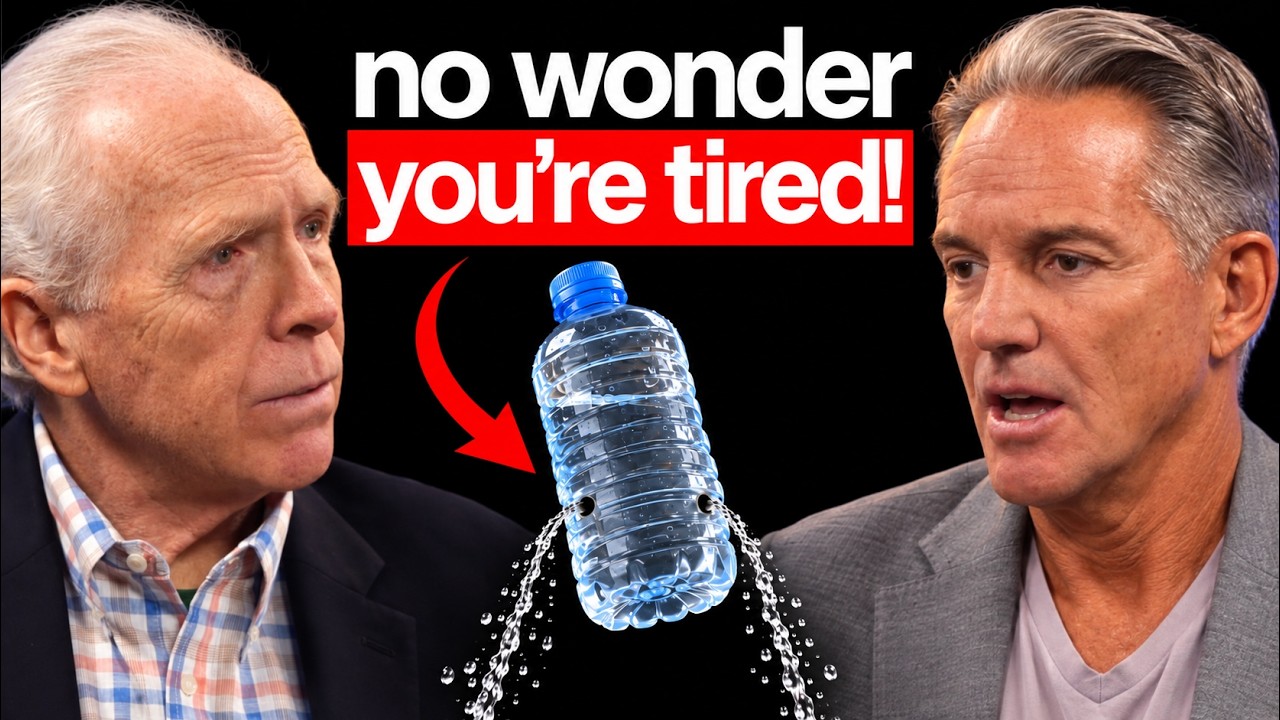
That mineral is copper.
Robbins also took aim at iron supplements, vitamin C, zinc and vitamin D, claiming each can quietly sabotage energy when used carelessly.
Some of his claims land on solid ground, while others deserve a closer look before anyone changes a supplement routine.
Jump to:
- Why Robbins Calls Copper the Chef of Your Cells
- The Iron Twist: Low on Paper, Stuck in Tissue?
- The Ferritin Controversy
- Soil, Glyphosate and the Vanishing Copper
- Zinc, Vitamin C and Vitamin D: His Three Warnings
- Is Copper Toxicity a Myth?
- Red Light, Copper Cookware and Other Side Notes
- Practical Takeaways From the Conversation
Why Robbins Calls Copper the Chef of Your Cells
Robbins points to complex 4 of the mitochondria, where oxygen is converted into water to power energy production. His argument: without copper, this step stalls.
If you want something simple that actually works, this is one of the most effective tools I’ve used to build strength, conditioning, and endurance without needing a full gym setup.
- Full-body training with one weight using swings, squats, and presses
- Solid cast iron build that feels stable and lasts for years
- Comfortable grip that makes high-rep workouts easier to handle
Copper is a genuine part of cytochrome c oxidase, the enzyme driving that reaction. Robbins adds that only 11 copper enzymes exist, yet they are “blockbuster enzymes.”
His kitchen analogy sums up the idea.
Copper is the general. And iron is the foot soldier.
Think of a stove: it cooks nothing without a chef. In Robbins’ telling, iron is the stove and copper is the chef.
The Iron Twist: Low on Paper, Stuck in Tissue?
Here comes the plot twist. Robbins claims low copper lets iron build up in the liver and tissues instead of recycling properly.
His proposed culprit is hepcidin, the hormone that locks iron away during stress, infection or inflammation. Host Dr. Daniel Pompa echoed the idea, noting that blood work can show low iron even when the body is simply sequestering it.
The lack of copper allows iron to run amuck.
Robbins describes iron as “a four-year-old with a hammer”: essential, but dangerous without supervision. He even claims the body accumulates roughly one milligram of iron daily, concluding that “aging is iron accumulation.”
If you want something simple that actually works, this is one of the most effective tools I’ve used to build strength, conditioning, and endurance without needing a full gym setup.
- Full-body training with one weight using swings, squats, and presses
- Solid cast iron build that feels stable and lasts for years
- Comfortable grip that makes high-rep workouts easier to handle
Worth knowing: iron overload and iron deficiency are both real medical problems. Mainstream medicine still treats low iron stores as a true deficiency that needs addressing, so Robbins’ framing is a minority view rather than established consensus.
The Ferritin Controversy
Robbins goes further on ferritin, the blood marker most doctors use to gauge iron stores. He recalls asking researcher Douglas Kell about the ideal level and hearing a startling answer.
Rising ferritin on a blood test is not a sign of iron vitality. It’s a sign of organ pathophysiology.
His takeaway: serum ferritin is better read as an immune and inflammation marker, not a clean iron-storage gauge. He suggests hemoglobin, serum copper and ceruloplasmin offer a fuller picture.
Inflammation can indeed push ferritin up, which is why doctors interpret it alongside other markers. Treating a “zero is ideal” target as a goal, though, is far outside standard clinical practice.
Soil, Glyphosate and the Vanishing Copper
Robbins claims American diets supplied 4 to 6 mg of copper daily in the 1930s, dropping to 2 to 5 mg by the 1960s. Today’s recommended intake, he notes, is just 0.9 mg.
He blames NPK fertilizers and the herbicide glyphosate, which he says binds minerals, copper most aggressively. He also cites a 2022 French study finding glyphosate in the urine of 99% of participants.
If you want something simple that actually works, this is one of the most effective tools I’ve used to build strength, conditioning, and endurance without needing a full gym setup.
- Full-body training with one weight using swings, squats, and presses
- Solid cast iron build that feels stable and lasts for years
- Comfortable grip that makes high-rep workouts easier to handle
These are Robbins’ figures and interpretations. Whether soil chemistry drives widespread copper deficiency in people remains his hypothesis, not a settled finding.
Zinc, Vitamin C and Vitamin D: His Three Warnings
Robbins argues the pandemic-era supplement stack of vitamin C, vitamin D and zinc was “the perfect triad to kill copper.” His reasoning for each:
- Zinc: blocks copper uptake and may disrupt iron handling.
- Ascorbic acid: he says it destabilizes ceruloplasmin, the main copper-carrying protein, and prefers whole-food vitamin C complexes.
- Vitamin D alone: he warns that loading up on D without vitamin A creates a functional deficiency of A, and cites a 2014 Johns Hopkins mortality analysis suggesting no benefit above 21.
Zinc-induced copper deficiency is a recognized phenomenon with long-term high-dose zinc use. His broader claims, such as vitamin C harming copper status or vitamin D being a net negative, are far more contested.
Is Copper Toxicity a Myth?
Robbins says only three situations qualify as true copper toxicity: Wilson’s disease, pregnancy and absolute iron deficiency. His evidence on pregnancy: copper levels roughly double, while ceruloplasmin triples.
If copper is toxic, why would Mother Nature double the copper presence and triple the ceruloplasmin presence?
Pregnancy does raise copper, but the body regulates it tightly. Robbins also calls Wilson’s disease “a retinol issue.” Medical consensus describes it as a genetic copper-transport disorder, treated by lowering copper, so anyone with that diagnosis should never follow a copper-boosting plan without specialist guidance.
Established guidelines set the adult recommended intake at 0.9 mg and the tolerable upper limit at 10 mg daily. Robbins suggests starting with one 2 mg capsule and working up to 4 or 6 mg, and says some clients take more.
If you want something simple that actually works, this is one of the most effective tools I’ve used to build strength, conditioning, and endurance without needing a full gym setup.
- Full-body training with one weight using swings, squats, and presses
- Solid cast iron build that feels stable and lasts for years
- Comfortable grip that makes high-rep workouts easier to handle
Red Light, Copper Cookware and Other Side Notes
Red light therapy gets an unexpected mention. Robbins calls it “an electronic crutch for a copper deficient body,” arguing it helps by blocking nitric oxide from interrupting complex 4.
Copper water jugs, bracelets and socks? Largely pointless for supplementation. As he puts it, “where you need your copper is inside your body.”
Practical Takeaways From the Conversation
- Eat copper-rich foods: organ meats, shellfish, nuts, seeds and leafy greens like collards and mustard greens.
- Test before guessing: Robbins recommends checking copper, ceruloplasmin and hemoglobin alongside iron markers, rather than ferritin alone.
- Go easy on isolated high-dose supplements: zinc, vitamin D and iron deserve extra caution when taken long term.
- Watch magnesium signs: he links twitching eyelids and tension in the hands and feet to magnesium shortfalls.
His magnesium rule of thumb is 5 mg per pound of body weight, which lands well above typical supplement ceilings for many people. Magnesium malate suits many, while citrate can loosen stools.
Final Word
Robbins closes with a plea that science stop studying these minerals in isolation.
Mandate that going forward, no copper research can ignore iron and no iron research can ignore copper.
That interplay between copper and iron is real and worth understanding. Still, persistent fatigue has many possible causes, so talk with a healthcare provider and get proper lab work before starting, stopping or megadosing any mineral.