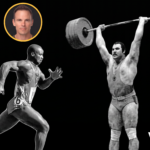
Running has officially taken over. What used to be a niche activity reserved for hardcore athletes has transformed into a global phenomenon, with everyone from bodybuilders to influencers lacing up their trainers and hitting the pavement.
The numbers tell a remarkable story.
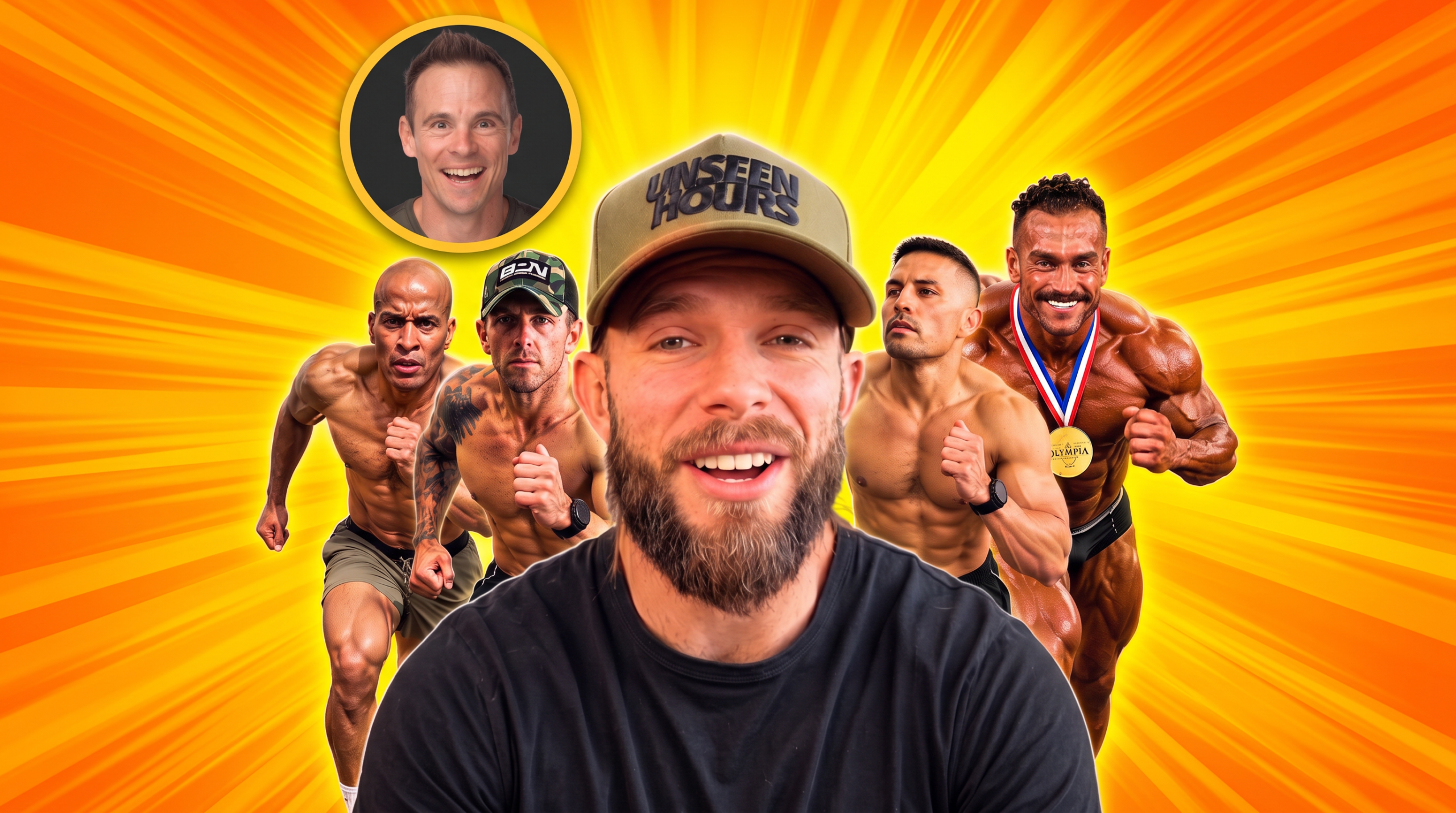
Since the early 2000s, participation has tripled, and the growth shows no signs of slowing down.
But what’s driving this explosive surge in popularity, and why has running become the fitness trend that seemingly everyone is embracing?
Jump to:
- From Bodybuilding to Running: The Evolution of Fitness Culture
- The Numbers Behind the Running Boom
- Where the Money Flows: Shoes, Tech, and Events
- COVID-19: The Unexpected Catalyst
- Why People Actually Run: Real Voices
- The Universal Appeal of Running
- The Mental Health Connection
- Physical Benefits Beyond Cardiovascular Fitness
- Three Reasons Everyone Is Running
- Running’s Enduring Momentum
From Bodybuilding to Running: The Evolution of Fitness Culture
Fitness trends have shifted dramatically over the past two decades. The early 2000s belonged to bodybuilding, with icons like Ronnie Coleman and the legendary Phil Heath versus Kai Greene rivalry dominating the scene.
Then came the functional fitness era of the late 2010s, when CrossFit exploded into mainstream consciousness with athletes like Rich Froning and Mat Fraser leading the charge.

If you want something simple that actually works, this is one of the most effective tools I’ve used to build strength, conditioning, and endurance without needing a full gym setup.
- Full-body training with one weight using swings, squats, and presses
- Solid cast iron build that feels stable and lasts for years
- Comfortable grip that makes high-rep workouts easier to handle
Now? Everyone is running.
Backyard ultramarathons, run clubs, and social media feeds flooded with GPS watch screenshots have become the new normal. Even six-time Mr. Olympia competitors have been spotted running, despite claiming they’re “not runners.”
The Numbers Behind the Running Boom
In England alone, consistent runners numbered around one million in the early 2000s. By 2010, that figure had doubled. By 2020, approximately six million people were running regularly, with numbers continuing to climb.
The financial growth tells an equally impressive story. In the early 2000s, the global running market was valued at roughly $100 billion.
Fast forward to 2025-2026, and that figure has ballooned to somewhere between $400-450 billion, with projections suggesting it could reach $550-600 billion by 2030.
That represents a six-fold increase in just over two decades—a growth rate that would make any industry envious.
If you want something simple that actually works, this is one of the most effective tools I’ve used to build strength, conditioning, and endurance without needing a full gym setup.
- Full-body training with one weight using swings, squats, and presses
- Solid cast iron build that feels stable and lasts for years
- Comfortable grip that makes high-rep workouts easier to handle
Where the Money Flows: Shoes, Tech, and Events
The Shoe Obsession
Running shoes have become both a functional necessity and a collector’s item. Legacy brands like Nike and Adidas now compete with specialized newcomers such as Hoka and Brooks, each promising that extra edge in performance.
New runners quickly discover what veterans already know: shoe collections grow fast. Three pairs in a few months becomes the norm rather than the exception.
While Nike has maintained consistent revenue, their stock performance hasn’t matched the market’s explosive growth. Meanwhile, competitors like Adidas and newer specialized brands have captured significant market share through innovation and targeted marketing to the expanding runner demographic.
Wearable Technology Takes Center Stage
Garmin’s stock price trajectory mirrors the running market’s ascent almost perfectly. GPS watches, fitness trackers, and smart devices have become essential running companions.
Apple Watch, Whoop, and Google’s fitness offerings have all capitalized on runners’ appetite for data. Pace, distance, heart rate, recovery metrics—runners want to track everything.
Apps like Strava have transformed running from a solitary pursuit into a social experience. Runners can now share routes, compare times, and build communities around their training.
If you want something simple that actually works, this is one of the most effective tools I’ve used to build strength, conditioning, and endurance without needing a full gym setup.
- Full-body training with one weight using swings, squats, and presses
- Solid cast iron build that feels stable and lasts for years
- Comfortable grip that makes high-rep workouts easier to handle
Events and Races Multiply
The race calendar has exploded with options: Hyrox competitions, marathons, ultramarathons, parkruns, and specialized events catering to every niche.
There’s even a Taco Bell 50K in Denver, where participants run from location to location, eating at each one. If that doesn’t capture the democratization of running culture, nothing does.
COVID-19: The Unexpected Catalyst
The pandemic didn’t create the running boom in a straightforward way. When gyms closed and social distancing became mandatory, running offered an accessible outlet.
Participation surged by 29% during lockdowns as people sought ways to maintain fitness and mental health.
Post-COVID, many returned to gyms and abandoned their pandemic running habits. However, those who continued built a more vibrant, vocal community than ever before.
Their enthusiasm sparked a second wave of interest. In the UK, Sport England reported that 500,000 additional people took up running in the past year alone, pushing participation to all-time highs.
If you want something simple that actually works, this is one of the most effective tools I’ve used to build strength, conditioning, and endurance without needing a full gym setup.
- Full-body training with one weight using swings, squats, and presses
- Solid cast iron build that feels stable and lasts for years
- Comfortable grip that makes high-rep workouts easier to handle
COVID acted as a reset button, introducing millions to running who might never have tried it otherwise. Some stayed, some returned later, and their collective momentum created the thriving culture we see today.
Why People Actually Run: Real Voices
Statistics explain the scale of the running boom, but personal motivations reveal why individuals keep showing up, day after day.
Conquering Fear and Finding Consistency
For some, running begins as a challenge to overcome fear and self-doubt. One runner who completed two marathons in two years explained her initial motivation simply:
I was sick of hating it and being scared of it. And I decided that that was stupid and I needed to get over it. That’s literally why I started running.
But proving capability isn’t enough to sustain long-term commitment. She continued running for a different reason:
Cuz it makes me feel good. Even when you set off sometimes and you don’t really want to do it. 99 times out of 100, when you finish your run, you’re like, ‘Ah, feel so much better.’
That post-run feeling—the endorphin rush, the sense of accomplishment—keeps runners coming back regardless of pre-run reluctance.
Rediscovering an Old Passion
Former competitive runners who shifted to other fitness modalities often find their way back. One athlete who transitioned to CrossFit spent years avoiding running after being told it would compromise his strength gains.
If you want something simple that actually works, this is one of the most effective tools I’ve used to build strength, conditioning, and endurance without needing a full gym setup.
- Full-body training with one weight using swings, squats, and presses
- Solid cast iron build that feels stable and lasts for years
- Comfortable grip that makes high-rep workouts easier to handle
At 40, he decided to revisit fitness challenges from his youth:
In the process of training for those things, I fell back in love with running. To the point where even my kids saw how much fun I was having and they wanted to train and run a marathon with me.
After completing a 100-mile mountain race and maintaining a 388-day running streak, his perspective shifted entirely:
When I’m running, I’m out of the four walls of a gym. Every time I was on a long run, I was out in the woods, I’m on top of a mountain, every single time I was up there, I was just grateful.
Running while traveling transformed his experience of new places, allowing him to explore cities in ways gym workouts never could.
Building Relationships Through Running
Running creates unexpected connections across generations and relationships. One runner whose mother ran a marathon while pregnant with him found running became central to multiple relationships:
When I met my wife running was one of the things we could do together that was cheap because we didn’t have any money. So, it’s come full circle. Now I run with my daughter and we’re doing our first race coming up in February.
The accessibility of running—requiring nothing but shoes and open space—makes it ideal for couples, families, and friends seeking shared experiences.
Mental Strength and Simplicity
For busy parents and professionals, running’s simplicity becomes its greatest asset. One runner who maintained a 200-day streak emphasized:
If you want something simple that actually works, this is one of the most effective tools I’ve used to build strength, conditioning, and endurance without needing a full gym setup.
- Full-body training with one weight using swings, squats, and presses
- Solid cast iron build that feels stable and lasts for years
- Comfortable grip that makes high-rep workouts easier to handle
I run three to four times a week. The reason why I run is because it is incredibly simple. It’s not easy, but it is the definition of simple when it comes to increasing your cardiorespiratory fitness.
Others value the mental challenge—the discipline required to keep going when everything hurts. Testing and expanding mental limits provides satisfaction that extends beyond physical fitness.
Building Mental Resilience
Some runners draw parallels between running and life’s challenges. One entrepreneur explained how morning runs set the tone for difficult business decisions:
Everything in your body is going to tell you don’t get in that cold water. That’s how I feel with these runs. It’s something you have to practice. If I start off with a good streak, the chances are whenever I have to make that tough call later on in the afternoon when problems are arising, I’ll be able to be quick to it.
Starting the day by overcoming resistance builds momentum that carries through to other challenges.
The Universal Appeal of Running
Running’s explosive growth stems from its remarkable versatility. Unlike specialized sports requiring specific facilities, equipment, or skill levels, running adapts to virtually anyone.
For optimizers: Technology provides endless data points to analyze and improve—pace, cadence, heart rate zones, training load, recovery metrics.
For competitors: Races, personal records, and measurable progress create clear goals and achievements.
If you want something simple that actually works, this is one of the most effective tools I’ve used to build strength, conditioning, and endurance without needing a full gym setup.
- Full-body training with one weight using swings, squats, and presses
- Solid cast iron build that feels stable and lasts for years
- Comfortable grip that makes high-rep workouts easier to handle
For social connection: Run clubs and group training turn solitary exercise into community building.
For mental health: The combination of rhythmic movement, outdoor exposure, and endorphin release provides powerful mood regulation.
For accessibility: No specialized skills required. Step out your door and start moving.
The Mental Health Connection
Many runners cite mental health benefits as their primary motivation. Running provides space to process thoughts, solve problems, or simply not think for 30-60 minutes.
For those navigating career transitions, personal challenges, or general life stress, running offers reliable returns. Effort consistently produces results—a clarity often absent in complex professional or personal situations.
The progression feels tangible: run slightly faster, go slightly further, recover more quickly. Small wins accumulate into genuine accomplishment.
If you want something simple that actually works, this is one of the most effective tools I’ve used to build strength, conditioning, and endurance without needing a full gym setup.
- Full-body training with one weight using swings, squats, and presses
- Solid cast iron build that feels stable and lasts for years
- Comfortable grip that makes high-rep workouts easier to handle
Physical Benefits Beyond Cardiovascular Fitness
Former weightlifters and CrossFit athletes often report unexpected physical improvements from running. Joint pain, back discomfort, and overuse injuries from heavy lifting frequently diminish with regular running.
Running 30-40 kilometers weekly can feel gentler on knees, backs, wrists, shoulders, and elbows than intense strength training—a counterintuitive discovery for those who assumed running would be harder on joints.
Three Reasons Everyone Is Running
First, running offers something for everyone. Regardless of fitness level, life stage, or goals, running adapts. Whether someone wants competition, meditation, social connection, or simple stress relief, running delivers.
Second, accessibility removes barriers. No gym membership, no specialized equipment beyond shoes, no specific location required. Walk out your door and begin.
Third, social proof and FOMO drive adoption. When friends, colleagues, and social media feeds flood with running content, curiosity builds. The influencer era of fitness has made running visible, aspirational, and approachable in unprecedented ways.
Running’s Enduring Momentum
The running boom shows no signs of slowing. Market projections, participation rates, and cultural visibility all point toward continued growth.
If you want something simple that actually works, this is one of the most effective tools I’ve used to build strength, conditioning, and endurance without needing a full gym setup.
- Full-body training with one weight using swings, squats, and presses
- Solid cast iron build that feels stable and lasts for years
- Comfortable grip that makes high-rep workouts easier to handle
What began as a pandemic necessity evolved into a global movement—one that welcomes absolute beginners and seasoned ultramarathoners alike.
Whether motivated by mental clarity, physical health, social connection, or simple curiosity about the hype, millions are discovering what runners have known for decades: despite initial resistance, finishing a run almost always feels better than skipping it.
The question isn’t really “Why are you running?” anymore. It’s “Why aren’t you running yet?”