In a recent article for Bicycling, Health & Fitness Editor Natascha Grief tackles something thousands of older riders quietly wonder about but rarely discuss openly.
She explains why cycling volume alone doesn’t guarantee full-body fitness—especially after 50.
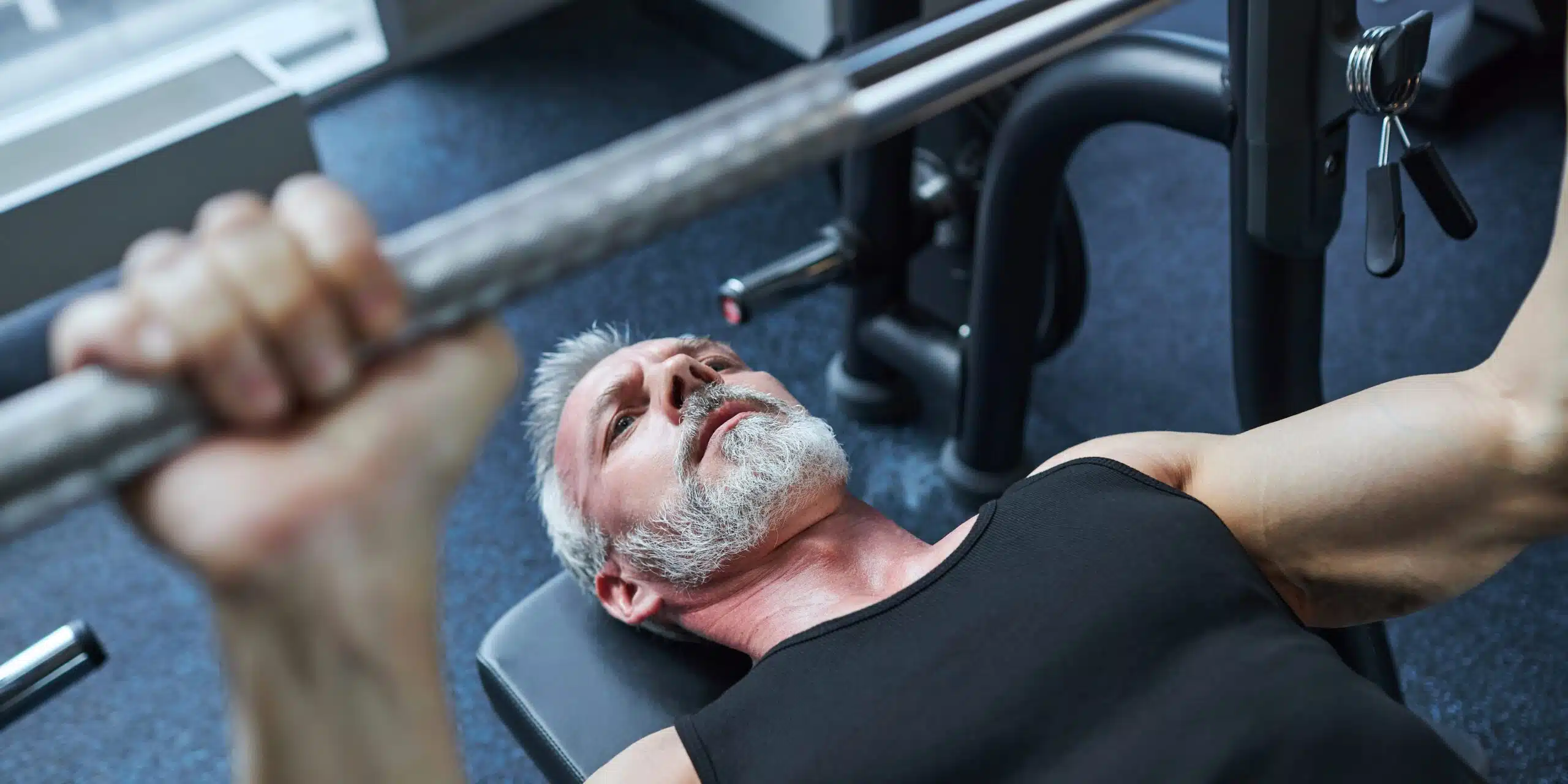
And why strength training isn’t optional anymore if maintaining performance, resilience, and durability on two wheels matters to you.
Here’s what happens when endurance masks strength loss, and what cyclists can do about it before recovery stops cooperating.
Jump to:
High Mileage Doesn’t Equal Complete Fitness
Grief cuts straight through one of cycling’s biggest misconceptions: assuming lots of saddle time equals comprehensive physical preparedness.
It doesn’t.
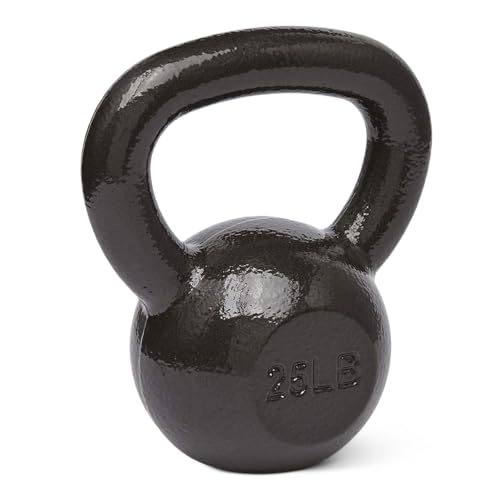
If you want something simple that actually works, this is one of the most effective tools I’ve used to build strength, conditioning, and endurance without needing a full gym setup.
- Full-body training with one weight using swings, squats, and presses
- Solid cast iron build that feels stable and lasts for years
- Comfortable grip that makes high-rep workouts easier to handle
Cycling is a narrow, repetitive, low-impact activity. That’s part of what makes it such a great lifelong sport.
But those same qualities create blind spots because riding doesn’t adequately maintain whole-body strength or load bones enough to prepare riders for broader demands that come with aging.
Cyclists can pedal serious miles and still lose critical strength—the kind needed for climbing power, acceleration snap, late-ride stability, and injury prevention.
Strength Disappears Slowly, Then Suddenly
One reason strength loss goes unnoticed? Aerobic fitness masks it temporarily.
Strength leaks away gradually, and because endurance can mask that loss for a while, many cyclists don’t realize how much they’ve lost until it starts affecting performance or they start experiencing aches and pains.
Small aches become recurring patterns. Recovery becomes less forgiving.
Riders might grind through long rides just fine but notice diminished force on climbs or reduced stability when fatigue sets in.
By the time performance dips become obvious, substantial strength capacity has already vanished.
If you want something simple that actually works, this is one of the most effective tools I’ve used to build strength, conditioning, and endurance without needing a full gym setup.
- Full-body training with one weight using swings, squats, and presses
- Solid cast iron build that feels stable and lasts for years
- Comfortable grip that makes high-rep workouts easier to handle
Why Strength Training Becomes Non-Negotiable After 50
Grief emphasizes that strength work isn’t about becoming something other than a cyclist—it’s about staying one longer and riding stronger.
For cyclists over 50, strength training is about preserving the physical capacities that cycling depends on but doesn’t fully develop.
Those capacities include:
- Muscular strength cycling uses but doesn’t build optimally
- Bone density that low-impact riding fails to stimulate adequately
- Movement patterns cycling under-trains: squatting, hinging, split-leg work, pushing, pulling, carrying, bracing
- Resilience against nagging knee pain, cranky backs, stiff hips, recurring overload issues
Without deliberate strength work, many older cyclists accept chronic discomfort as inevitable when it’s actually preventable.
Bone Density Demands More Than Miles
Cycling’s joint-friendly nature becomes a liability for bone health because bones respond primarily to load—not pedaling volume.
You can ride a lot and still not be doing enough to support bone health as you age.
Grief urges riders to stop treating strength training as optional insurance and start viewing it as core work if aging well remains the goal.
What Effective Strength Training Looks Like
Heavy lifting isn’t the entire point, Grief clarifies.
If you want something simple that actually works, this is one of the most effective tools I’ve used to build strength, conditioning, and endurance without needing a full gym setup.
- Full-body training with one weight using swings, squats, and presses
- Solid cast iron build that feels stable and lasts for years
- Comfortable grip that makes high-rep workouts easier to handle
Effective strength training addresses movement patterns cycling neglects and builds whole-body strength supporting performance, longevity, durability.
Well-designed plans balance:
- Squatting
- Hinging
- Split-leg movements
- Pushing
- Pulling
- Carrying
- Bracing/core stability
These movements fill gaps left by riding while maintaining capacities cycling alone won’t preserve.
Frequency Matters More Than Duration
Grief recommends four strength sessions weekly as an effective starting point for riders over 50.
Every strength session doesn’t have to be long or exhausting, but the work has to happen often enough to make a difference.
Consistency beats intensity when rebuilding and preserving strength capacity that years of cycling-only training allowed to deteriorate.
Reframing Strength Work as Cycling Training
Grief challenges riders to rethink how they categorize strength work.
If you want something simple that actually works, this is one of the most effective tools I’ve used to build strength, conditioning, and endurance without needing a full gym setup.
- Full-body training with one weight using swings, squats, and presses
- Solid cast iron build that feels stable and lasts for years
- Comfortable grip that makes high-rep workouts easier to handle
This is where strength training stops being optional cross-training and becomes part of cycling training itself.
If maintaining and building what riding alone won’t preserve matters, strength training isn’t supplementary—it’s essential.
The mindset shift older cyclists need? Stop believing riding suffices.
If you want to ride well after 50, the answer isn’t always more riding. Sometimes it’s better preparation for riding.
Beyond Performance: Aging Well on Two Wheels
Grief’s perspective extends beyond wattage and speed.
Strength training preserves quality of life, independence, physical capability—not just cycling metrics.
After 50, training isn’t solely about building more fitness anymore. It’s equally about holding onto physical capacity that disappears without deliberate effort.
For cyclists unwilling to accept diminished power, chronic aches, longer recovery, reduced resilience as inevitable parts of aging, strength work becomes the difference between gradually losing ground and maintaining hard-earned capabilities.
If you want something simple that actually works, this is one of the most effective tools I’ve used to build strength, conditioning, and endurance without needing a full gym setup.
- Full-body training with one weight using swings, squats, and presses
- Solid cast iron build that feels stable and lasts for years
- Comfortable grip that makes high-rep workouts easier to handle
Not because you’re trying to become something other than a cyclist, but because you want to keep being one for a long time.
High volume creates impressive endurance—but complete fitness after 50 requires addressing what cycling misses entirely.