Serena Williams is stepping back onto Centre Court at Wimbledon this summer, and she’s not coming back for nostalgia.
At 44 years old, the tennis legend is mounting a competitive return that’s raising eyebrows across professional sports.
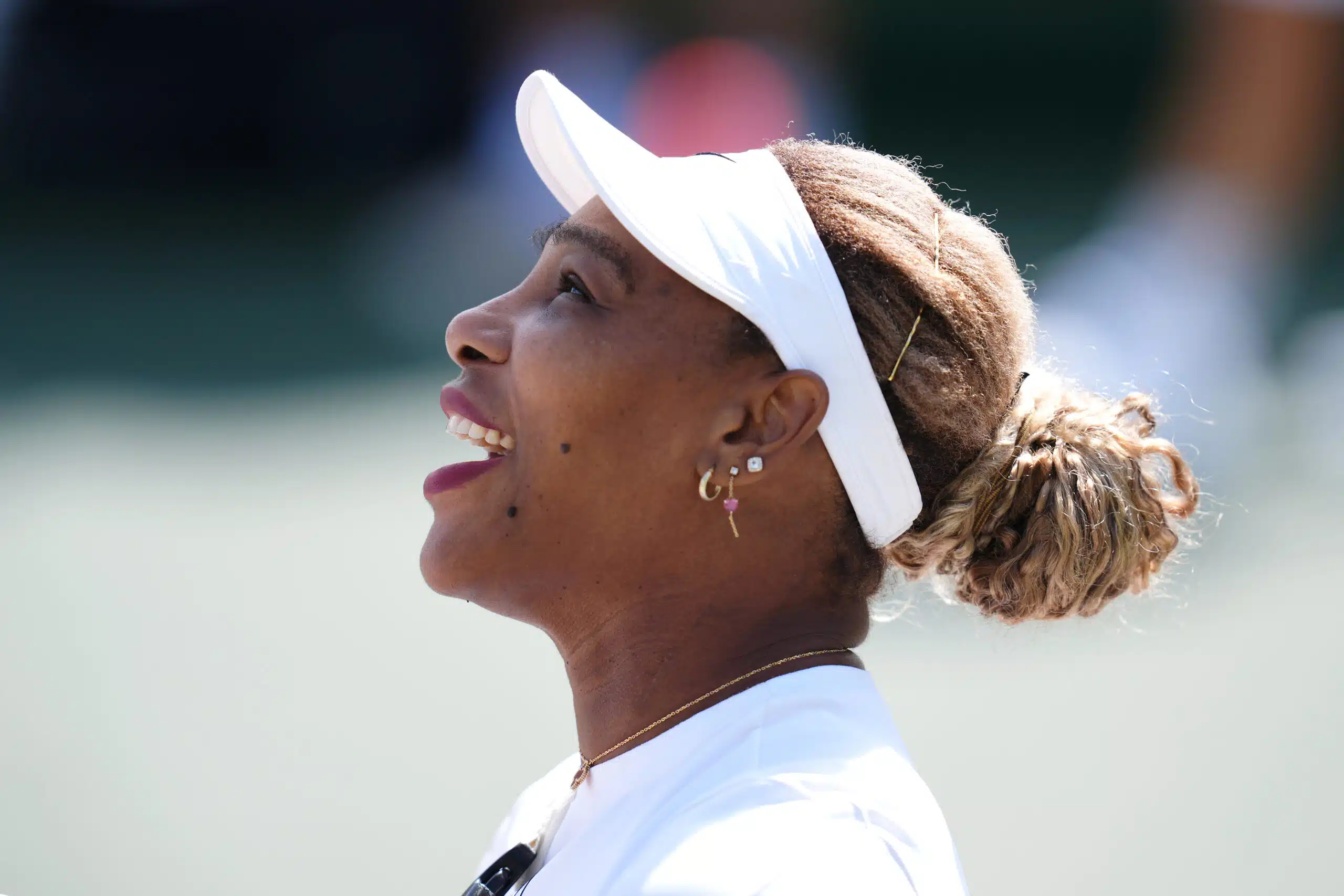
But Williams isn’t alone in defying athletic aging—she’s part of a growing wave of elite athletes leveraging cutting-edge science to extend careers well beyond traditional retirement age.
Understanding how these competitors maintain peak performance could revolutionize how everyday athletes approach training and longevity.
Jump to:
The Science Behind Extended Athletic Careers
Modern sports science has fundamentally transformed what’s possible for aging athletes. Recovery protocols, nutrition strategies, and training methodologies have evolved dramatically over the past decade.
Elite athletes now work with multidisciplinary teams including physiotherapists, nutritionists, sleep specialists, and biomechanics experts. This comprehensive approach addresses every factor affecting performance and recovery.

If you want something simple that actually works, this is one of the most effective tools I’ve used to build strength, conditioning, and endurance without needing a full gym setup.
- Full-body training with one weight using swings, squats, and presses
- Solid cast iron build that feels stable and lasts for years
- Comfortable grip that makes high-rep workouts easier to handle
Advanced recovery technology plays a crucial role. Cryotherapy, hyperbaric oxygen chambers, and compression therapy accelerate muscle repair and reduce inflammation.
Strategic Training Volume Management
Older athletes can’t train with the same volume as younger competitors—they don’t need to. Experience and tactical intelligence compensate for reduced training loads.
Williams and similar athletes focus on quality over quantity. Sessions become more specific, targeting exact movements and scenarios they’ll face in competition.
Periodization becomes even more critical. Strategic rest periods prevent overtraining while maintaining competitive sharpness. Many veteran athletes schedule their entire season around peak events, sacrificing minor tournaments for optimal preparation.
Nutrition as Performance Medicine
Dietary strategies for aging athletes have become remarkably sophisticated. Gone are generic meal plans—today’s nutrition programs are personalized down to individual metabolic responses.
Anti-inflammatory nutrition takes center stage. Foods rich in omega-3 fatty acids, antioxidants, and polyphenols help manage chronic inflammation that accumulates with years of intense training.
If you want something simple that actually works, this is one of the most effective tools I’ve used to build strength, conditioning, and endurance without needing a full gym setup.
- Full-body training with one weight using swings, squats, and presses
- Solid cast iron build that feels stable and lasts for years
- Comfortable grip that makes high-rep workouts easier to handle
- Timing matters intensely: Nutrient delivery windows around training sessions optimize recovery and adaptation
- Protein intake increases: Aging muscles require more protein to maintain mass and strength
- Hydration protocols: Precise electrolyte balance becomes critical as kidney function gradually declines
- Supplement strategies: Carefully selected vitamins, minerals, and performance aids fill nutritional gaps
Blood work monitoring has become standard practice. Regular testing identifies deficiencies before they impact performance, allowing proactive intervention rather than reactive problem-solving.
The Sleep Revolution
Sleep optimization might be the most underrated factor in athletic longevity. Elite athletes now treat sleep with the same seriousness as training sessions.
Many athletes use sleep tracking technology to monitor deep sleep phases and REM cycles. This data informs training intensity—poor sleep triggers lighter workout days.
Environmental optimization extends beyond blackout curtains. Temperature control, air quality monitoring, and even specialized mattresses contribute to restorative sleep architecture.
Injury Prevention Through Prehabilitation
“Prehab” has replaced traditional approaches focused solely on injury treatment. Athletes now dedicate significant time to preventing injuries before they occur.
Movement screening identifies biomechanical weaknesses and compensatory patterns. Corrective exercises address these issues before they cascade into serious injuries.
If you want something simple that actually works, this is one of the most effective tools I’ve used to build strength, conditioning, and endurance without needing a full gym setup.
- Full-body training with one weight using swings, squats, and presses
- Solid cast iron build that feels stable and lasts for years
- Comfortable grip that makes high-rep workouts easier to handle
Tissue quality maintenance through regular manual therapy, myofascial release, and mobility work keeps joints healthy and movement patterns optimal. Professional athletes often receive daily hands-on treatment.
Load Monitoring Technology
Wearable technology tracks every training session’s impact. GPS units, heart rate monitors, and accelerometers measure accumulated stress on the body.
Sophisticated algorithms analyze this data to predict injury risk. When metrics indicate excessive fatigue or abnormal movement patterns, training gets adjusted immediately.
This objective feedback prevents the “warrior mentality” trap where athletes push through warning signs. Smart training beats tough training for career longevity.
Mental Performance and Experience
Psychological advantages become more pronounced with age. Decades of high-pressure competition build mental resilience younger athletes simply cannot replicate.
Veteran competitors like Williams possess pattern recognition that accelerates decision-making. They’ve literally seen thousands more game situations than younger opponents.
If you want something simple that actually works, this is one of the most effective tools I’ve used to build strength, conditioning, and endurance without needing a full gym setup.
- Full-body training with one weight using swings, squats, and presses
- Solid cast iron build that feels stable and lasts for years
- Comfortable grip that makes high-rep workouts easier to handle
Emotional regulation improves dramatically with experience. Managing the psychological roller coaster of professional sports becomes second nature, preserving mental energy for actual performance.
Sports psychology support has also evolved. Mental skills training now includes neurofeedback, visualization protocols, and mindfulness practices backed by substantial research.
Strategic Intelligence vs. Physical Gifts
Aging athletes increasingly rely on tactical superiority rather than pure athleticism. They position themselves more efficiently, conserving energy while maintaining effectiveness.
This strategic approach extends to match scheduling, opponent analysis, and game-planning. Every decision considers long-term sustainability rather than short-term results.
Medical Advances and Intervention
Regenerative medicine has opened new possibilities for career extension. Platelet-rich plasma (PRP) therapy, stem cell treatments, and innovative surgical techniques repair damage that would have ended careers decades ago.
Diagnostic imaging technology catches problems earlier. High-resolution MRI and ultrasound identify tissue degradation before it becomes symptomatic, allowing preventive intervention.
If you want something simple that actually works, this is one of the most effective tools I’ve used to build strength, conditioning, and endurance without needing a full gym setup.
- Full-body training with one weight using swings, squats, and presses
- Solid cast iron build that feels stable and lasts for years
- Comfortable grip that makes high-rep workouts easier to handle
Pharmacological support within anti-doping rules helps manage the inflammatory cascade of intense training. Carefully prescribed medications and supplements optimize recovery without crossing ethical lines.
Hormone Optimization
Hormone levels naturally decline with age, affecting recovery, muscle maintenance, and energy production. Therapeutic hormone replacement—when medically indicated and properly monitored—can restore optimal functioning.
This medical intervention requires careful oversight to remain within competitive regulations while addressing legitimate age-related hormonal changes.
Lessons for Everyday Athletes
Principles enabling professional athletes to compete longer apply to recreational fitness enthusiasts. Prioritizing recovery equals prioritizing training intensity for long-term results.
Listen to objective metrics rather than ego. Tracking performance data helps identify when rest produces better outcomes than additional training.
- Invest in sleep quality: Consistent sleep schedules and optimized environments accelerate progress
- Emphasize nutrition timing: Strategic eating around workouts maximizes adaptation
- Regular movement assessment: Addressing biomechanical issues prevents chronic problems
- Periodize training intelligently: Strategic variation prevents plateaus and overuse injuries
Williams’ return demonstrates that age doesn’t automatically limit athletic performance. Strategic application of sports science, disciplined recovery protocols, and psychological mastery can extend competitive careers far beyond traditional expectations.
If you want something simple that actually works, this is one of the most effective tools I’ve used to build strength, conditioning, and endurance without needing a full gym setup.
- Full-body training with one weight using swings, squats, and presses
- Solid cast iron build that feels stable and lasts for years
- Comfortable grip that makes high-rep workouts easier to handle
Whether competing at Wimbledon or pursuing personal fitness goals, the same principles apply: train smarter, recover intentionally, and respect the long game over immediate gratification.