In the ever-growing world of social media fitness influencers, David Laid stands out — not just for his completely aesthetic physique, but also for his surprising levels of strength, discipline, and training savvy.
In a recent video breakdown on the RP Strength channel, Dr. Mike Israetel — former superheavyweight lifter and expert in sports science — takes a humorous but informative deep dive into how David Laid became one of the most visually striking and physically capable figures in online fitness.
This article unpacks the key takeaways from that video, blending entertainment with evidence-based insight on what really makes a physique like David Laid’s possible — and what you can learn from it.
Jump to:
From Skinny Teen to Superstar Physique
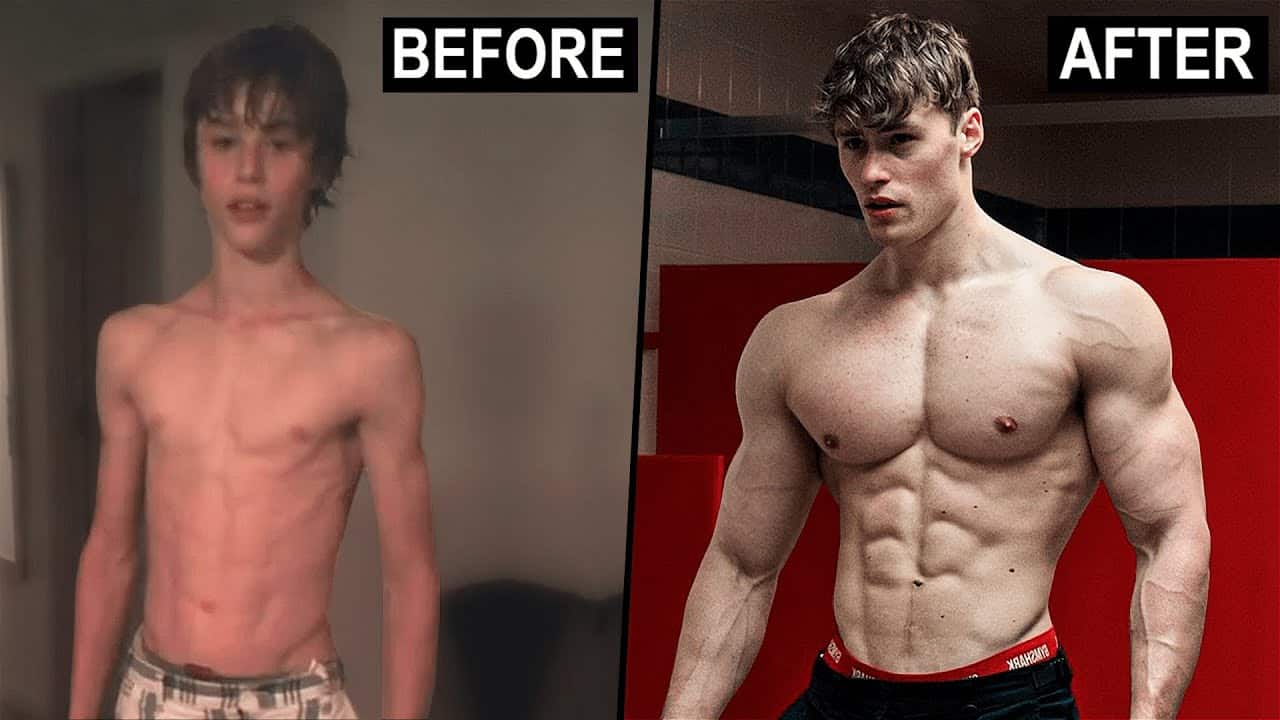
David Laid first made waves on YouTube and Instagram as a lean teenager with visible abs and great muscle shape. According to Dr. Mike, even at a young age, Laid’s genetics and early physical development signaled major potential.
“If you look like this as a teenager,” says Israetel, “the probability that you’re going to get pretty damn jacked when you get older is really high.”
This doesn’t mean it’s all effortless for someone like Laid — far from it. His transformation was powered by years of hard training and intelligent programming. But his structure — narrow waist, broad shoulders, long limbs, and defined muscle insertions — set the stage for what would become an elite aesthetic physique.
Genetics + Work Ethic = Aesthetic Gold
- Shoulder-to-waist ratio: Big shoulders and a small midsection are key to that X-frame silhouette.
- Leanness: Staying consistently lean makes all muscle definition pop.
- Muscle insertions: Laid’s naturally broad clavicles and full muscle bellies contribute to a physique that looks “photo-ready” even without a pump.
The Underrated Strength Behind the Aesthetics
If you thought David Laid was all show, think again. He’s deadlifted 675 pounds, benched close to 400, and squatted well above 450 — all while staying under 210 pounds of body weight. These are not powerlifting numbers for beginners. This is elite territory, especially for someone who looks like a model more than a meathead.
His technique has also been developed with impressive attention to detail, a sign of serious lifting experience and good coaching. During the video analysis, Israetel points out Laid’s precise bench setup:
- Strong arch
- Feet firmly planted
- Shoulder blades retracted
- Full lockout and textbook elbow tracking
Pro Tip:
If you’re plateauing on deadlifts or presses due to grip or form issues, consider tools like Versa Grips to push past limitations while staying safe. According to Dr. Mike, these aids “ride the very edge of safety,” but “let you live in the land of heavy lifts.”
A big part of Laid’s training success comes from understanding the important overlap — but also the differences — between training for strength and size.
According to Dr. Mike, the distinction is often misunderstood:
“Strength and hypertrophy training aren’t mutually exclusive. In fact, they complement each other perfectly.”
Here’s a simplified snapshot of how this distinction plays out:
| Goal | Rep Range | Key Focus |
|---|---|---|
| Strength | 1–5 reps | Max force, neurological efficiency |
| Hypertrophy | 6–30 reps | Muscle fatigue, total volume |
| Overlap Training | 6–10 reps | Good for both gains |
Daily Undulating Periodization (DUP): A Smart Programming Tool
Laid mentions one of his key strategies: Daily Undulating Periodization (DUP). It’s a fancy name, but the idea is simple — vary your training volume and intensity across the week rather than sticking to the same rep ranges and loads each session.
This helps prevent plateaus, manages fatigue, and keeps workouts fresh. While DUP isn’t the only way to train effectively, the principle of weekly or even daily variation is backed by real sports science.
Typical DUP for hypertrophy might look like this:
- Monday: Heavy sets of 5-7 reps
- Wednesday: Moderate sets of 8-12 reps
- Friday: High-rep sets of 15-20 reps
Israetel cautions that too much variation can blur the focus of your training. “If your training becomes too general, your progress in specific goals — like hypertrophy — will slow down.”
Lessons Fitness Fans Can Take from David Laid
While David Laid might be #blessed with elite genetics, there’s a lot the average lifter can learn from how he trains, progresses, and presents himself:
1. Prioritize Aesthetics with Shoulder and Waist Focus
Big shoulders and a lean waist do the heavy lifting visually. Train your delts directly and stay lean if the aesthetic look is your primary goal.
2. Don’t Sleep on Strength Work
Compound lifts like the deadlift, squat, and bench aren’t just for powerlifters. Even hypertrophy-focused athletes benefit from cycles emphasizing heavy low-rep sets for muscle recruitment.
3. Use Smart Variation
Whether it’s DUP or just rotating intensity and volume over time, smart programming helps manage fatigue and move toward long-term progress.
4. Stay Natural? Train Brutally Hard
Natural training isn’t some special category — it just means you have to be more precise, consistent, and focused on recovery and nutrition. Laid’s results are a clear reminder that naturals can achieve elite physiques without gear.
The Bottom Line
David Laid isn’t just a genetically gifted Instagram star — he’s a beast in the gym, a student of the game, and a testament to what long-term natural training can produce when combined with intelligence, consistency, and some Eastern European muscle genes.
While some parts of his genetic code can’t be copied, you can take his approach to structure, programming, and compound lifts into your own routine to chase balance between looking amazing and lifting like a savage.
As Dr. Mike says, “If you want to look good and feel proud of how you train, focus on big traps, broad shoulders, a lean waist, and solid programming. You might not look like David, but you’ll look like the best version of you.”
So if you’re not getting laid yet — just maybe — you need a little more Laid-style training in your life.