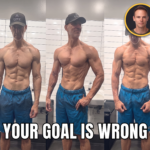
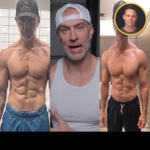
In a recent YouTube video, coach Paul of Pro Physique tackled a question he hears constantly: can you get bodybuilding-lean without ever stepping on stage?
His answer is surprisingly blunt.
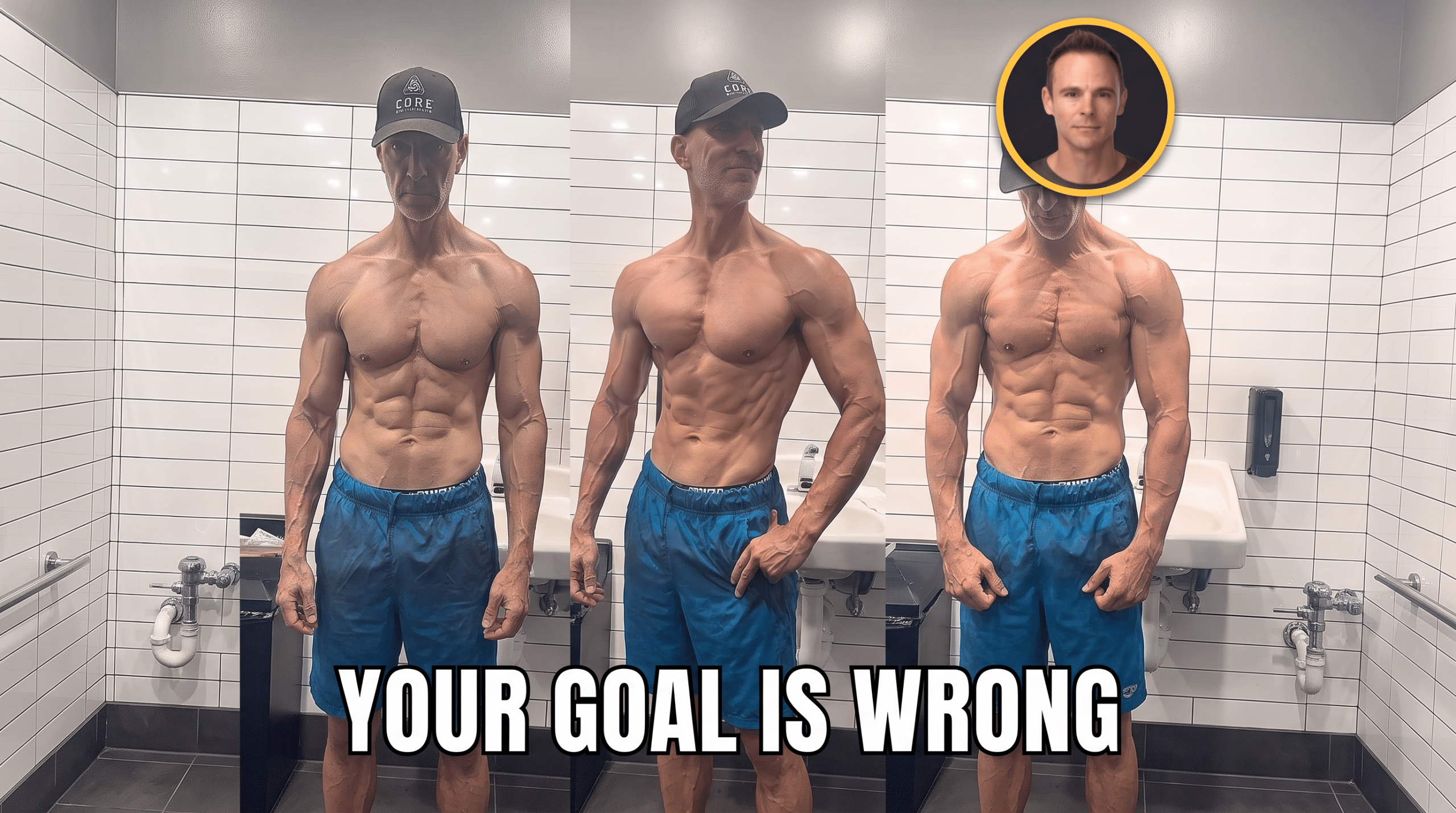
Possible? Yes. Likely? Not even close.
Why do so few people pull it off? Paul points to a hidden factor that has little to do with training or diet.
Keep reading for the shocking scale numbers and the two tools that actually work.
Jump to:
The Straight Answer: Possible, but Rarely Achieved
Is it possible? Absolutely. Will you? No, you will not.
According to Paul, the only people who succeed without a show are those who have competed before.

If you want something simple that actually works, this is one of the most effective tools I’ve used to build strength, conditioning, and endurance without needing a full gym setup.
- Full-body training with one weight using swings, squats, and presses
- Solid cast iron build that feels stable and lasts for years
- Comfortable grip that makes high-rep workouts easier to handle
Everyone else tends to stall long before the finish line.
What “Bodybuilding Lean” Really Looks Like
Paul describes this conditioning as roughly 5 to 7% body fat. For men, he says, that typically means sitting well below the 10% mark, around 7 or 8%.
Photos amplify the effect. Gym lighting, a good pump, a big meal and flattering angles all stack the deck.
When someone gets very lean, it creates a completely different illusion. You look more muscular than you are.
Paul, a self-described lifetime natural athlete, says that illusion fuels steroid accusations.
In person, he explains, the truth is obvious. At 6’3″ and 220 pounds, he looks fuller. Near 200 pounds or below, he is clearly downsized.
The Scale Number Will Feel Ridiculous
Here is where many hopefuls flinch. Paul offers rough estimates for men aiming to be absolutely shredded:
If you want something simple that actually works, this is one of the most effective tools I’ve used to build strength, conditioning, and endurance without needing a full gym setup.
- Full-body training with one weight using swings, squats, and presses
- Solid cast iron build that feels stable and lasts for years
- Comfortable grip that makes high-rep workouts easier to handle
- 5’9″ to 5’10”: around 160 to 165 pounds
- 6’2″ to 6’3″: around 190 to 195 pounds
Understanding that it’s not going to be a weight that is impressive, especially for those of us that have been a lot focused on getting that scale number to go up.
These figures are his ballpark guidance, not universal rules. Frame size and starting point vary.
Fat Loss Cannot Be Rushed
Losing body fat is a rate-limiting process. That means you cannot lose fat fast.
Paul warns that forcing the pace can cost muscle, slow metabolism and damage your relationship with food. Social life may suffer too.
The Hidden Fat Problem
Most people underestimate how much fat they carry. You can drop plenty and barely look different.
Below roughly 10%, though, changes become dramatic week to week. That final stretch is the fun part, Paul says, even while sleep and hunger suffer.
The Price Tag
- Lower energy
- Short temper, depending on personality
- Disrupted sleep
- Constant hunger
Why Your Brain Quits Before Your Body Does
Paul argues the biggest obstacle is psychological. Without an outside reason, hard days breed doubt.
Your mind is going to convince you to turn it around and go the other direction.
Self-talk shifts toward muscle loss. Days start revolving around cardio and meal tracking. Eventually, Paul says, you “walk yourself right out the door of getting shredded.”
If you want something simple that actually works, this is one of the most effective tools I’ve used to build strength, conditioning, and endurance without needing a full gym setup.
- Full-body training with one weight using swings, squats, and presses
- Solid cast iron build that feels stable and lasts for years
- Comfortable grip that makes high-rep workouts easier to handle
The “Prep Funnel” Advantage
Competitors face different psychology. Other athletes chase the same goal, so effort visibly drives results.
Paul calls the narrowing focus the prep funnel. Life starts broad, then tightens around consistent meals, recovery and training that protects muscle.
That’s really where the magic happens, okay? And it’s because you have this outside reason to be successful.
Two Ways to Make It Happen
Paul says he has never seen anyone reach this look without one of two things:
- A bodybuilding competition, the obvious one
- A firm deadline, such as a structured transformation challenge
His company runs 70-day and 90-day challenges a couple of times yearly. Deadlines work, he says, because they supply a reason to lock in.
Clients have succeeded for weddings, vacations and even music festivals. Motivation matters less than having a date circled on the calendar.
If you’re just looking at a picture and thinking, “Man, I really want to look like that.” I’d say the success rate is going to be below 1%.
That figure reflects Paul’s coaching experience rather than a formal study.
If you want something simple that actually works, this is one of the most effective tools I’ve used to build strength, conditioning, and endurance without needing a full gym setup.
- Full-body training with one weight using swings, squats, and presses
- Solid cast iron build that feels stable and lasts for years
- Comfortable grip that makes high-rep workouts easier to handle
How to Put This Into Practice
- Pick a date: anchor your goal to a wedding, trip or event.
- Check your target weight: expect a number lower than you would like.
- Move steadily: rushing risks muscle and mental health.
- Find accountability: a coach, challenge or group can replace a stage.
- Expect rough patches: hunger, poor sleep and irritability are normal near the end.
The takeaway? Physiology allows it, but psychology decides it. A photo on your phone will not carry you through the final weeks, while a deadline just might.