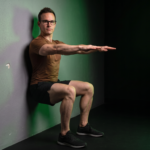
In a recent YouTube video, the creator behind Physionic broke down a fresh study on a 14-minute routine that may slash blood pressure.
Even better, you might not need to do it daily.
Researchers wanted to know how little isometric exercise still delivers results.
Answer: less than most people guess.
Keep reading for the sweet spot, plus the exact wall squat protocol anyone can try at home.
Jump to:
Three Sessions Win, But Even One Helps
Best results came from training three days weekly. Systolic pressure kept falling, with drops beyond 10 points.

If you want something simple that actually works, this is one of the most effective tools I’ve used to build strength, conditioning, and endurance without needing a full gym setup.
- Full-body training with one weight using swings, squats, and presses
- Solid cast iron build that feels stable and lasts for years
- Comfortable grip that makes high-rep workouts easier to handle
Participants who trained once or twice still held onto lower readings, roughly 5 to 6 points down. Still substantial.
The point here being that if you want the best bang for your buck, aim for three times per week of isometric exercise for 14 to 15 minutes per session.
Short on time? Minimal effort still pays off.
Beyond that and obvious, just doing this once per week can yield meaningful results as such a low barrier of entry for huge benefit.
How the New Study Worked
Scientists split participants into five groups to find the minimum dose that preserves blood-pressure benefits. Everyone except controls trained isometrically for four weeks.
Then came the twist. Here is how groups spent weeks five through eight:
- Control: never did isometric exercise (the “lazy bums,” as the creator joked)
- De-training group: simply stopped, to reveal what quitting does
- Once-weekly group: 14 minutes of training
- Twice-weekly group: double that dose
- Thrice-weekly group: the full-effort option
Over the first month, every training group improved, as expected. Weeks five through eight revealed the real story.
The creator focused on systolic readings, though diastolic numbers largely followed the same pattern.
If you want something simple that actually works, this is one of the most effective tools I’ve used to build strength, conditioning, and endurance without needing a full gym setup.
- Full-body training with one weight using swings, squats, and presses
- Solid cast iron build that feels stable and lasts for years
- Comfortable grip that makes high-rep workouts easier to handle
Why the Results Look Even Better in Context
Volunteers began with only slightly elevated readings. Gains came anyway.
They weren’t dealing with raging high blood pressure, and yet they experienced significant benefit.
Starting pressure likely shapes how large the payoff becomes, a topic the creator explores in his extended analysis for Physionic Insiders.
The Earlier Evidence Behind Isometric Training
Last year, the creator covered a giant network meta-analysis of 270 randomized controlled trials on exercise and blood pressure. A smaller subset examined isometric work specifically.
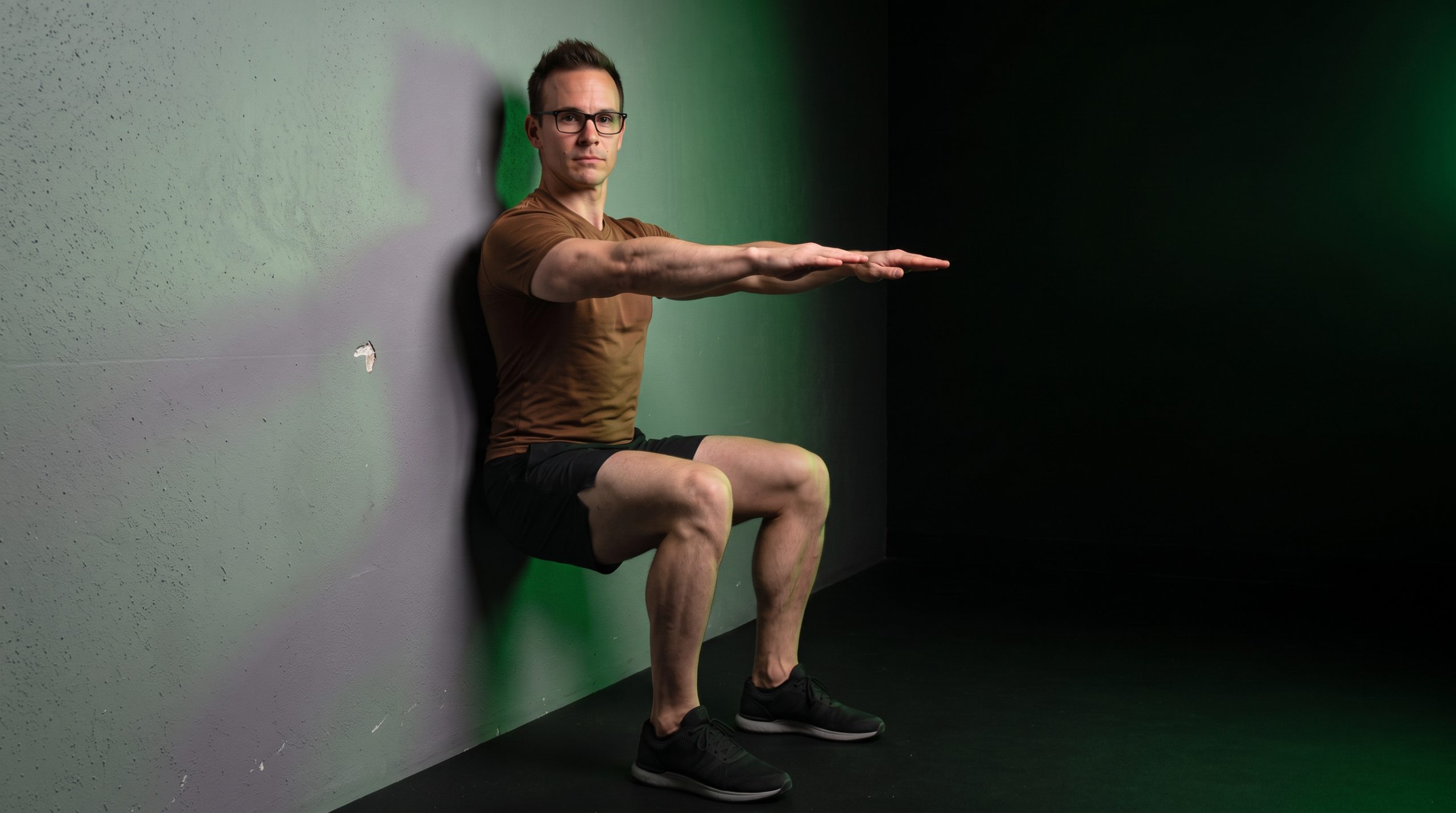
Isometric exercise means holding a position under load without moving. Think wall squats.
According to the creator, that analysis showed reductions averaging up to 10 points, with most studies landing at least 6 points lower and some reaching 14 points. He compared these numbers favorably against dedicated medications.
Given how heavily elevated pressure contributes to cardiovascular disease, he likened the finding to striking gold in the 1800s.
If you want something simple that actually works, this is one of the most effective tools I’ve used to build strength, conditioning, and endurance without needing a full gym setup.
- Full-body training with one weight using swings, squats, and presses
- Solid cast iron build that feels stable and lasts for years
- Comfortable grip that makes high-rep workouts easier to handle
Fine Print Worth Knowing
Eight weeks is a solid start, though not a lifetime guarantee.
Something to keep in mind is that while an experiment like this running for eight weeks long is good, we don’t know officially if the results would maintain for longer periods of time.
- Safety signal: across 100-plus participants, researchers saw no adverse effects.
- Age caveat: volunteers were in their mid-thirties, so older adults, especially those with achy knees, may respond differently.
- Medical guidance: anyone taking blood-pressure medication or managing heart concerns should consult a doctor before starting.
How to Do the Wall Squat Protocol
Large muscle groups give the best bang for your buck, so legs take center stage.
- Press your back against a wall.
- Bend your legs to 90 degrees, as if sitting, though nothing sits beneath you.
- Hold motionless for two minutes.
- Rest two minutes, then repeat until you complete four holds total.
Four holds plus three rests equals roughly 14 minutes. That is the whole workout.
Tips for Beginners and Frequent Trainers
If you can’t do two minutes at a time, just do something manageable and build up over time.
- Scale to your level: shorter holds count while strength develops.
- Space sessions out: leave at least one rest day between workouts.
- Sample schedule: Monday, Wednesday, Friday.
Simple, quick, and accessible for most people, this routine proves big cardiovascular rewards don’t demand big time commitments.