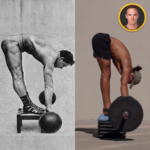
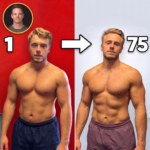
Fitness transformation content has become one of social media’s most powerful motivational tools—and FOODbible, one of the UK’s largest food media brands with over 10 million followers, just delivered another viral example.
Their recent post featuring the caption “I’ve taken care of myself, and now it shows…” paired with a flexing emoji has resonated with hundreds of thousands of people.

But what makes these transformation posts so compelling goes far beyond the visual change.
It’s the self-care framing that transforms a simple before-and-after into something deeper—a story about consistency, dedication, and reclaiming control over health.
Jump to:
- Why Food Brands Are Embracing Fitness Content
- The Evolution of Self-Care in Fitness Culture
- What Actually Drives Visible Transformation
- Why Transformation Posts Go Viral Every Time
- The Wellness Market Fueling This Content
- The Double-Edged Nature of Transformation Content
- Making Transformation Content Work for You
- The Future of Wellness Content on Social Media
Why Food Brands Are Embracing Fitness Content
FOODbible built its empire on drool-worthy recipe videos and restaurant recommendations. Yet their expansion into fitness and wellness content makes perfect strategic sense.
Nutrition scientists consistently emphasize that diet accounts for approximately 70-80% of body composition changes, according to research published in the British Journal of Nutrition. Exercise matters, but what happens in the kitchen drives visible transformation.
For food-focused audiences already invested in what they eat, fitness transformations represent the natural next chapter. These followers don’t just want recipes—they want results.
The Evolution of Self-Care in Fitness Culture
The caption “I’ve taken care of myself” signals something important about how fitness messaging has evolved.
Self-care as a concept exploded into mainstream consciousness between 2016 and 2020, with Google searches increasing by 250% during that period. Originally rooted in medical literature and activist communities, the term now encompasses holistic health behaviors.
In fitness contexts, self-care includes:
- Consistent exercise routines tailored to individual capabilities
- Nutritious eating patterns that fuel rather than punish the body
- Adequate hydration and sleep for recovery
- Mental wellness practices like stress management
- Setting boundaries around unhealthy habits
This framing resonates particularly strongly with millennial and Gen Z audiences who prefer wellness narratives over purely aesthetic-focused messages. It’s not just about looking different—it’s about feeling different through sustained positive choices.
What Actually Drives Visible Transformation
Public health research reveals that visible body composition changes require specific conditions. There’s no magic—just biology and consistency.
Most transformations require a sustained caloric deficit or surplus combined with resistance training over a minimum of 8-12 weeks. That timeline explains why transformation content often celebrates months of dedication rather than quick fixes.
The food component remains paramount. While exercise builds muscle and improves cardiovascular health, dietary changes create the energy balance necessary for body composition shifts.
For FOODbible’s audience already engaged with food content daily, this connection between kitchen choices and physical results creates a powerful motivational loop.
Why Transformation Posts Go Viral Every Time
Fitness transformation posts rank among the highest-engagement content formats on Facebook and Instagram, often generating hundreds of thousands of reactions.
Social media researchers have identified several psychological triggers that make these posts irresistible:
- Visual proof of possibility — Before-and-after images provide tangible evidence that change is achievable
- Relatability — Many viewers see themselves in the “before” and aspire to the “after”
- Inspiration without instruction — The posts motivate without overwhelming viewers with complex plans
- Celebration of effort — They honor the process, not just genetics or luck
- Social validation — Sharing transformation content allows followers to signal their own wellness values
The flexing arm emoji 💪 has become one of the most-used symbols in fitness and wellness content globally, serving as shorthand for strength, determination, and achievement.
The Wellness Market Fueling This Content
Transformation content doesn’t exist in a vacuum—it’s part of a massive economic ecosystem.
The global health and wellness market reached a valuation exceeding $4.5 trillion in 2023, according to the Global Wellness Institute. This includes fitness, nutrition, preventive medicine, mental health, and wellness tourism.
Social media transformation posts serve as both inspiration and implicit marketing. They demonstrate what’s possible while subtly encouraging engagement with wellness products, services, and content.
For media brands like FOODbible, fitness content diversifies revenue opportunities beyond traditional food partnerships into supplements, fitness equipment, meal planning services, and wellness coaching.
The Double-Edged Nature of Transformation Content
Academic studies examining social media fitness content reveal a complex picture. These posts can be genuinely motivational—but they also carry risks.
Research has linked transformation posts to both motivational benefits and increased body image pressures, particularly among younger audiences. The impact depends heavily on individual vulnerability, existing body image concerns, and the framing of the content.
Self-care framing may offer some protective benefits compared to purely aesthetic messaging. When transformation is presented as a byproduct of health behaviors rather than the sole goal, it potentially reduces harmful comparison.
Still, sports psychologists caution that even well-intentioned transformation content can create unrealistic expectations about timelines, effort required, or what’s achievable for different body types and life circumstances.
Making Transformation Content Work for You
If transformation posts like FOODbible’s inspire your own wellness journey, behavioral health experts recommend specific approaches:
- Focus on process over outcome — Celebrate showing up consistently rather than obsessing over visual changes
- Define personal success metrics — Energy levels, strength gains, and mental clarity matter as much as appearance
- Recognize individual variability — Genetics, stress levels, sleep quality, and life circumstances affect results differently for everyone
- Embrace realistic timelines — Meaningful change requires months, not weeks
- Prioritize sustainability — Extreme approaches might create dramatic before-afters but rarely lead to lasting health
The most successful transformations aren’t about perfection—they’re about consistency. Small, sustainable changes in nutrition and movement patterns compound over time into significant results.
The Future of Wellness Content on Social Media
FOODbible’s transformation post represents a broader trend of lifestyle brands expanding beyond their original niches into holistic wellness content.
As audiences increasingly seek integrated approaches to health—where food, fitness, mental wellness, and self-care intersect—media brands are responding with content that addresses the whole person.
This evolution reflects growing public understanding that wellness isn’t compartmentalized. What you eat affects how you move. How you move influences mental health. Sleep quality impacts food choices. Everything connects.
Transformation content will likely continue dominating social engagement metrics because it tells a fundamentally human story: change is possible through dedication. That message resonates regardless of platform algorithms or content trends.
The key for both creators and consumers is ensuring these powerful stories inspire healthy action rather than harmful comparison—celebrating the journey of self-care that, eventually, shows.