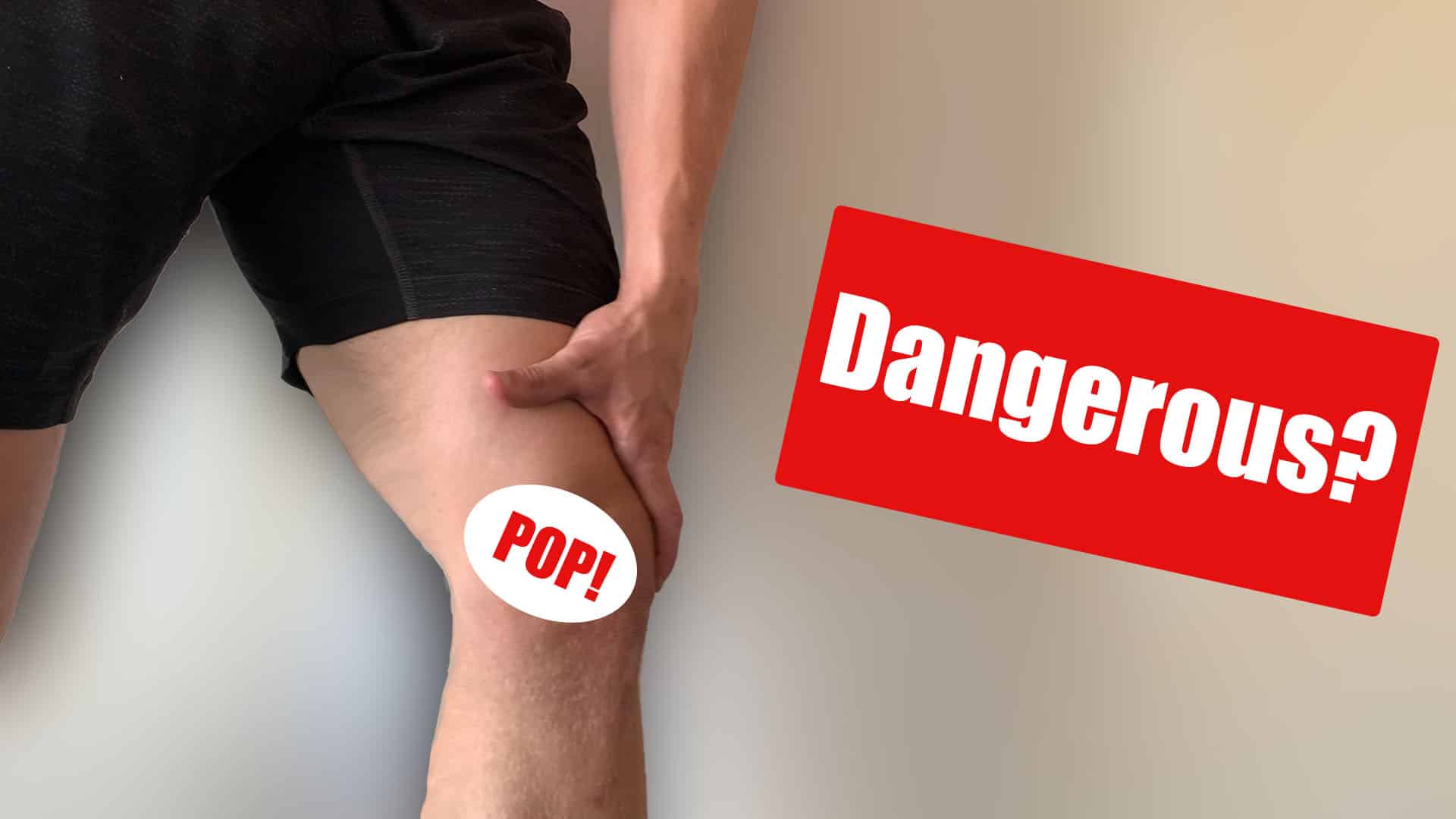
If your knees creak like an old floorboard or your shoulders click during push-ups, you’re not alone—but should you worry?
In the latest episode of Men’s Health’s The Future You, elite athletes and a leading sports surgeon dive deep into what those joint sounds really mean.
But it’s not just about noises—it’s about keeping your joints, ligaments, and muscles working well for decades to come.
The conversation touches everything from evolving your workouts with age to cutting-edge treatments like PRP and the impact of nutrition on recovery.
Whether you’re 30, 50, or 70, you’ll find practical insights to help you stay strong, mobile, and pain-free for the long haul.
Jump to:
Clicky joints: Should you be worried?
Hearing pops or clicks in your joints can be alarming, but it’s often nothing to lose sleep over—so says Dr. Michael J. Alaia, sports medicine surgeon at NYU Langone Health. “It could just be air pockets forming and re-forming,” he explains.
Unless those sounds come with pain or mobility issues, they’re generally harmless. Your knee cracking during a squat or shoulder popping during overhead presses? Probably not a big deal. But if that pop is accompanied by swelling, sharp pain, or instability, it’s time to see a doctor.
Age-proofing your workouts
“Fifty is like the new 30,” says Dr. Alaia—and while that sounds nice, it comes with a caveat: smart adaptation is key. Bodies evolve, and so should your training strategy. Olympic skier Gus Kenworthy and U.S. soccer legend Ali Krieger both learned the hard way after injuries forced them to shift their approach to movement and recovery.
Here’s what aging athletes and aging everymen should incorporate:
- Adjust volume and intensity: More isn’t always better. Reduce reps, sets, or weight as needed.
- Prioritize mobility and flexibility: Daily stretching and foam rolling go a long way.
- Emphasize recovery: Rest days, active recovery, and adequate sleep are now part of the plan.
- Shift focus as needed: Swap heavy lifts for bodyweight movements or controlled eccentrics.
Know your body’s warning signs
Our intuition often speaks louder than any fitness tracker. Dr. Alaia stresses, “If you feel as though something’s going to happen, slow it down.” It’s a sentiment echoed by both Kenworthy and Krieger—athletes who’ve pushed the limits and learned to listen the hard way.
Whether you’re lifting, cycling, or sprinting, be alert to pain that’s sharp, persistent, or stops you in your tracks. “We aren’t invincible,” says Kenworthy, emphasizing the need to respect the signals your body sends—especially as the years go on.
How nutrition protects your joints and speeds healing
Performance and recovery don’t rely solely on what happens in the gym. Your plate matters, too. Dr. Alaia points to the growing role of anti-inflammatory foods in injury prevention and recovery strategies.
- Focus on whole foods: Think leafy greens, fatty fish, berries, and nuts.
- Avoid ultra-processed options: Excess sugar and refined oils can promote inflammation.
- Hydration is non-negotiable: Joints need fluid to work well and prevent stiffness.
- Don’t forget your macros and micros: Protein is essential for tissue repair; vitamin D and magnesium support muscular function and bone health.
Next-gen healing: What are biologics?
If rest, rehab, or diet changes fall short, a medical revolution awaits. Biologics—a burgeoning field that includes Platelet-Rich Plasma (PRP) and stem cell injections—might offer powerful solutions for chronic pain and joint degeneration.
“This is the future,” says Dr. Alaia. These approaches aim to harness the body’s natural healing abilities and are already being used by elite athletes. While not yet a fit for everyone, they’re opening new doors for those seeking performance longevity and pain-free movement.
Regeneration rituals to start now
You don’t need a surgical team or a PRP injection to start future-proofing your body. Small, intentional habits can have massive long-term benefits. Dr. Alaia outlines the most impactful:
- Prioritize sleep: Aim for 7–9 hours of high-quality rest with a consistent bedtime.
- Practice contrast therapy: Cycle between hot saunas and cold plunges to boost circulation and reduce inflammation.
- Integrate daily mobility routines: Dynamic warmups and cooldown stretches keep joints supple.
Staying strong on your own terms
Both Krieger and Kenworthy may be “retired” in the pro-athlete sense, but their goals haven’t shrunk—they’ve simply shifted. Krieger has her eye on a full marathon—and even Mount Kilimanjaro. Kenworthy recently completed a 600-mile charity bike ride from San Francisco to L.A.
This drive is reflective of a bigger goal shared by many—extended healthspan and musclespan. In short, it’s not just about living longer—it’s about thriving longer with strong, functional muscles and healthy joints.
So whether you’re aiming to avoid that next ACL tear or want to maintain your squat PR into your 60s, the path forward starts now—with movement, recovery, and regeneration strategies that meet you where you are.
Train smart, listen closely, and fuel intentionally. Your future body will thank you.