What separates truly elite performers from the rest isn’t just physical toughness—it’s how that toughness unlocks sharper thinking under pressure.
Whether you’re a firefighter charging up ten flights of stairs or a SWAT officer scaling an eight-foot fence in hot pursuit, the clarity of your next decision hinges on your physical preparation.
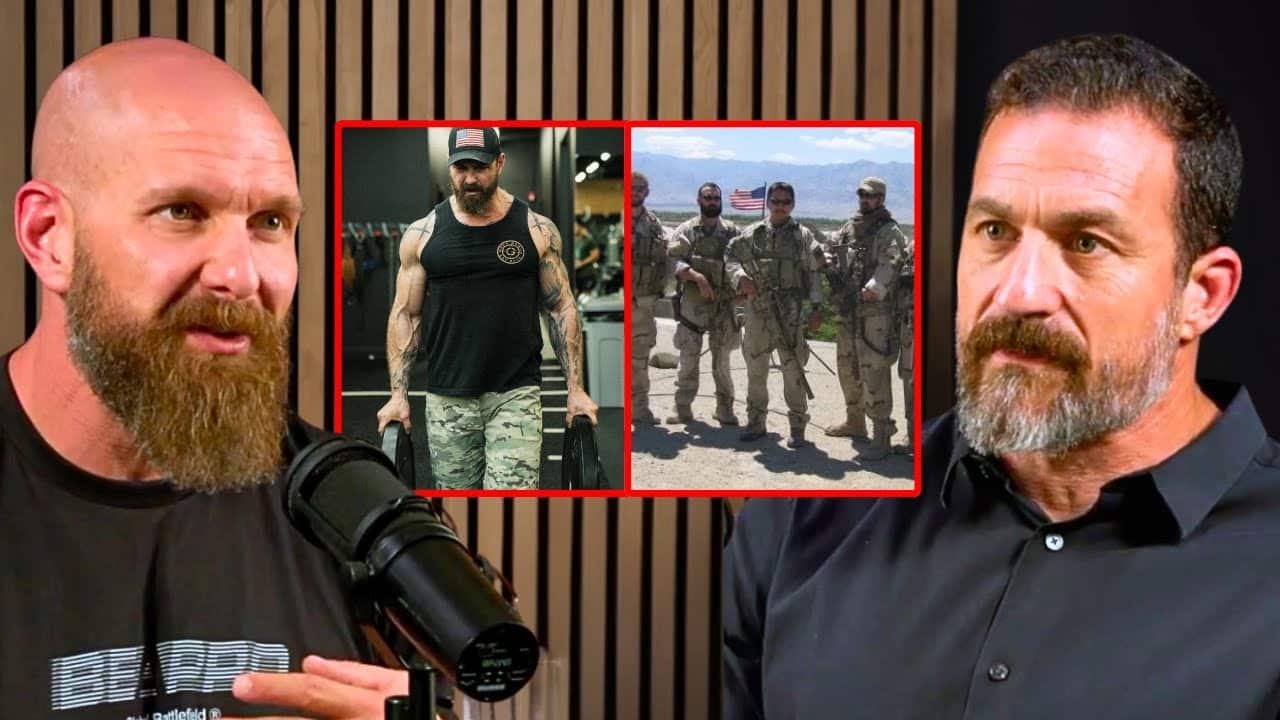
In a deeply personal and passionate discussion, a former Navy SEAL breaks down a purpose-built fitness test rooted in real-world performance—not just aesthetics or personal bests.
This is less about checking a box and more about answering one fundamental question: Can you physically deliver when it matters most?
Jump to:
- The Goal: Physical Standards That Drive Mental Clarity
- The Performance Standard Test: A Real-World Readiness Checklist
- 1. Broad Jump: Explosive Power & Landing Control
- 2. Bodyweight Bench Press: Total Upper Body Strength
- 3. Pull-Ups: Back, Biceps & Grip Capacity
- 4. Farmer’s Carry: Grip Strength Under Load
- 5. Trap Bar Deadlift: Full-Body Force Production
- 6. Plank: Core Integrity & Control
- 7. 800-Meter Run: Tactical Cardio Under Pressure
- Training With Purpose, Not Just Obsession
The Goal: Physical Standards That Drive Mental Clarity
Combat, emergency response, even complex business decisions—none of them happen in a vacuum. They’re made under extreme duress. Which is why this test isn’t just about moving weights or sprinting across finish lines. It’s about decision-making under load.
“If you’re gasping for air, you’re not going to think straight. The man with a calm heart rate makes the better decision every time,” he explains. And it’s true across the board—from elite military teams to civilian life. EMTs, business owners, parents: everyone functions better when they’re physically resilient.
The Performance Standard Test: A Real-World Readiness Checklist
There are seven core events in the test, each targeting durability, explosiveness, endurance, and control under tension.
1. Broad Jump: Explosive Power & Landing Control
Stand behind a line, load your hips, swing your arms, and leap forward. No running start. The objective is raw lower body power and dynamic landing awareness (proprioception).
- Minimum: Equal to your height
- Intermediate: Height plus 1 foot
- Elite: Height plus 2 feet (aim for 8–10 ft for men)
“You’re not always going to have time to line up at the edge of a ditch and assess. Sometimes you just go.” That mindset makes this test not just functional but critical for frontline responders and tactical athletes.
2. Bodyweight Bench Press: Total Upper Body Strength
Using your own bodyweight as the variable adds fairness and function.
- Minimum: 10 reps
- Intermediate: 15
- Elite: 20+ full range reps
Chest-to-bar and full lockout required for every rep. This builds pushing power that translates to daily performance and occupational readiness.
3. Pull-Ups: Back, Biceps & Grip Capacity
These are strict, dead-hang pull-ups. No kipping. Chin above the bar. And grip strength is key across the board.
- Minimum: 10 reps
- Intermediate: 15
- Elite: 20+ strict reps
“You know when someone who grapples grabs you and you instantly think, ‘Oh no.’ That grip. That power.” This section emphasizes that reality—for tactical and everyday advantage.
4. Farmer’s Carry: Grip Strength Under Load
Using two heavy dumbbells equal to 100% of your body weight (50% in each hand), walk with upright posture and core engagement for maximum distance.
- Minimum: ~200 feet
- Intermediate: ~250 feet
- Elite: ~275–300 feet
This doesn’t just hammer grip—it tests core bracing, posture, breath control, and mental focus. Posture breaks, so does performance.
5. Trap Bar Deadlift: Full-Body Force Production
This deadlift variation reduces lower back stress while still demanding raw power and body integrity. Slight elevation (bumper plates) helps those with longer torsos stay in safe alignment.
- Minimum: 1.5x bodyweight for 5 controlled reps
- Intermediate: 2x bodyweight
- Elite: 2.5x bodyweight under total control
“The mission doesn’t care if you’re hurt. But we do. You have to train in a way that keeps you in the fight 52 weeks out of the year.” That’s why form matters here—more than ego-lifting.
6. Plank: Core Integrity & Control
No sit-ups here. Planks crush the core without stressing the hip flexors or cheating with momentum.
- Minimum: 2 minutes
- Intermediate: 2.5 minutes
- Elite: 3 minutes
“I walk around all day with my core at 40–50% engaged. My back pain disappeared.” Keeping your abs subtly flexed throughout the day acts like an inner shield against injury and postural collapse.
7. 800-Meter Run: Tactical Cardio Under Pressure
Why 800 meters? It’s just long enough to hurt—but short enough to be about threshold tolerance rather than marathon conditioning.
- Minimum: 3:15
- Intermediate: 3:00
- Elite: Sub 2:45
“I snapped my hip and I still complete this section. You don’t quit because you’re nearing 40. You train smarter to go longer.” The goal isn’t to be a track star. It’s to be a hybrid athlete who can sprint, recover, lift, carry, and press—when real life demands it.
Training With Purpose, Not Just Obsession
This test isn’t carved in perfection. It’s built for purpose. Whether you’re in the military, law enforcement—or simply a civilian who wants capability—the message is the same:
Set the bar high. And train to meet it. Over and over again.
“There’s no offseason in life. You’re either ready, or you’re not.”
This isn’t about hitting PRs for social media. This is about whether you can lift a teammate out of harm’s way, keep going when the oxygen disappears from the room, and still make the right call with a racing heart.
The urgency behind this standard is clear: build a physical foundation that enhances everything else—clarity, resilience, and leadership. That’s the real goal. And it’s one we should all be striving for no matter our age, profession, or experience.