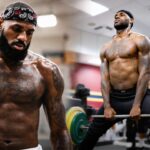
Once the hallmark of elite athletes and genetically gifted gym rats, six-pack abs are now being crafted not just in the weight room, but in the operating room.
Cosmetic surgery for abdominal definition—known as “ab etching”—has exploded in popularity, turning what was once a fringe procedure into a mainstream phenomenon.

As more men chase the chiseled look without the grind, the line between authenticity and artifice is blurrier than ever.
Jump to:
From Laughable to Lucrative: The Evolution of Ab Etching
In 1993, Dr. Henry Mentz presented a radical idea at an aesthetic surgery conference: use liposuction to carve out six-pack abs. The proposal was met with skepticism. But Mentz persisted, and his early results spoke volumes. Today, after performing over 3,000 such procedures, he’s recognized as one of the pioneers of abdominal etching.
Initially dismissed, the concept matured alongside advancements in cosmetic surgery. Today, many surgeons—including Dr. Daniel Markmann and Dr. Gregory Lakin—have made the procedure a core part of their practices. In fact, Markmann reports that men now make up 30% of his clients, most of whom come in seeking a six-pack.
Who’s Getting Ab Etching—And Why?
While celebrities and influencers are certainly part of the equation, the majority of patients are everyday men. They’re defense contractors, lawyers, doctors, and even trash collectors. The youngest patients are in their twenties; the oldest near 70. Many are fitness enthusiasts frustrated by stubborn belly fat that refuses to budge despite clean diets and intense workouts.
“You’re a good candidate if you look like you should have a six-pack,” says Dr. Markmann. Ideal candidates are fit, have a BMI under 30, and show weight stability. The surgery is not a magic fix for obesity or poor lifestyle habits. In fact, those with significant body fat are usually turned away.
This targeted approach ensures long-term results. Since fat cells are physically removed during liposuction, they don’t regenerate. The etched abs, if maintained with proper diet and exercise, can last a lifetime.
The Price of Perfection
The procedure isn’t cheap—costs range from $5,000 to $30,000 depending on complexity and add-ons like pec sculpting or love-handle reduction. It’s also not without pain. Recovery can feel like “getting punched in your stomach 100 times,” as Dr. Markmann puts it. Patients wear compression bodysuits and custom foam inserts for weeks to preserve the etched grooves.
Some, like Robert—a 49-year-old veterinarian—describe the pain as brutal. But for many, the results justify the hardship. “I made the right decision. It was worth every dollar,” says Kenny Sloan, who proudly flaunted his new abs during a body-conscious cruise.
The Problem with Fake Abs
Still, the ethics and aesthetics of fake abs spark debate.
“It’s very easy to make them look fake,” admits Dr. Lakin, who named his technique “Ab Silhouetch.” A misstep in depth or symmetry can result in unnatural-looking abs—some likened to tic-tac-toe boards or, worse, Ninja Turtle bellies. Surgeons like Lakin and Mentz stress that the procedure is as much about artistry as it is about medical skill.
Even those who love their results sometimes wrestle with guilt. “I do feel like I cheated,” says Robert. Though thrilled with his new physique, he’s conscious of the pressure it places on body standards—and the misleading image it can project.
The Psychology of a Surgical Six-Pack
The popularity of ab etching reveals deeper insecurities that men often don’t discuss.
“Men actually do have confidence issues, too,” says Sloan. For many, having visible abs is about more than vanity—it’s a way to fit in, to feel validated, and to reclaim control over their appearance. Unlike female cosmetic surgery, which is increasingly normalized, male procedures still carry a stigma. That double standard, according to patients like Hamilton, is outdated and unfair.
“We don’t question or mock people for getting their teeth whitened,” he points out.
A New Standard of Male Beauty?
There’s no denying the influence of social media, Hollywood, and fitness culture in promoting the six-pack ideal. And with the rise of surgical interventions, that standard is becoming more attainable—but also more artificial.
Some believe this trend could set unrealistic expectations, much like digitally altered images or steroid-enhanced physiques. Others argue it offers a legitimate option for those who have exhausted natural methods.
Still, one practical question looms: what happens when today’s etched abs age?
“We haven’t seen many 80-year-olds with etched abs—yet,” says Dr. Lakin. But he’s confident they’re coming. Just like women age with breast implants, men may soon grow old with a surgical six-pack.
“There are definitely women out there in nursing homes with some nice boobs,” quips Dr. Markmann. “I expect the same thing for guys with six-packs.”
Conclusion: The Body You Want, at a Price
In the end, ab etching walks a fine line between empowerment and illusion. It offers a shortcut to a traditionally hard-won aesthetic—but it’s not a get-out-of-the-gym-free card. Maintenance is essential, and results can look bizarre without the right lifestyle.
As with all cosmetic procedures, the decision is deeply personal. Whether it’s a “cheat code” or a confidence booster, ab etching reflects a modern truth: in the era of Instagram bodies and digital perfection, even abs are now customizable.
And as long as there’s a market for male beauty upgrades, sculpted six-packs are here to stay—real or not.