For decades, women have been following fitness and nutrition advice that wasn’t designed for their bodies at all.
According to Dr. Stacy Sims, an exercise physiologist with over 107 peer-reviewed publications, most mainstream recommendations were built exclusively on male research subjects—then applied to women without proper testing.
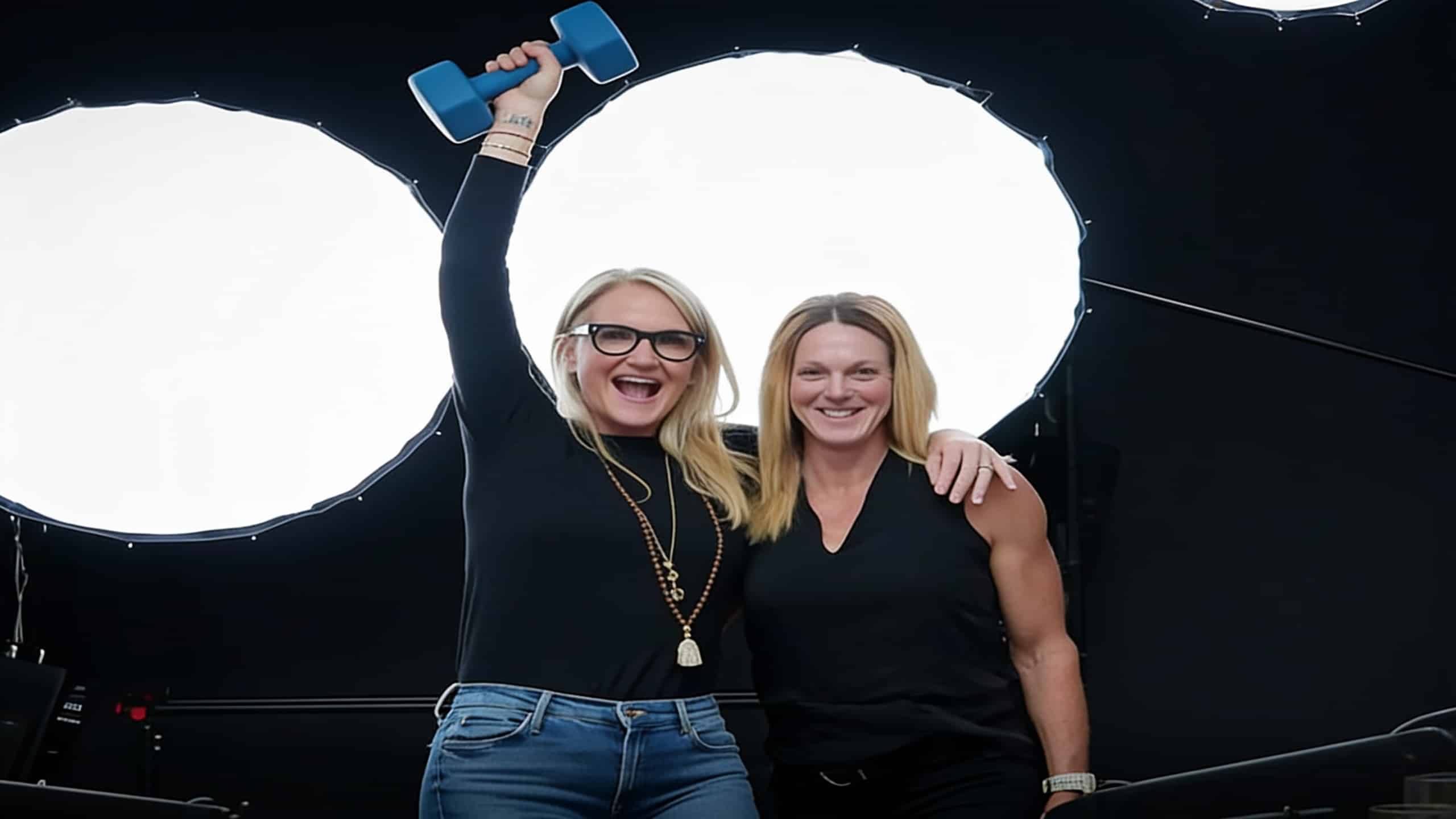
The result? Women experiencing stubborn weight gain, crushing fatigue, and disrupted sleep despite doing everything “right.”
In her September 2025 appearance on The Mel Robbins Podcast (Episode 275), Sims laid out exactly why common strategies like fasted cardio and intermittent fasting can backfire for female physiology—and what women should do instead.
Jump to:
- The Male-Default Problem in Exercise Science
- Why Fasted Training Backfires for Women
- Intermittent Fasting: Not Created Equal
- Progesterone’s Hidden Impact on Muscle
- The “Skinny Fat” Trap
- What Women Should Do Instead
- The Growing Market for Women’s Health Information
- Creatine, Brain Health, and Bone Density
- Working With Your Cycle, Not Against It
- The Bottom Line
The Male-Default Problem in Exercise Science
Women were systematically excluded from clinical trials and sports science studies for most of modern research history. Researchers cited concerns about hormonal variability across menstrual cycles as justification.
This created massive knowledge gaps. Recommendations around training protocols, fasting windows, cardio duration, and even supplement timing were derived from male subjects—then generalized to half the population.
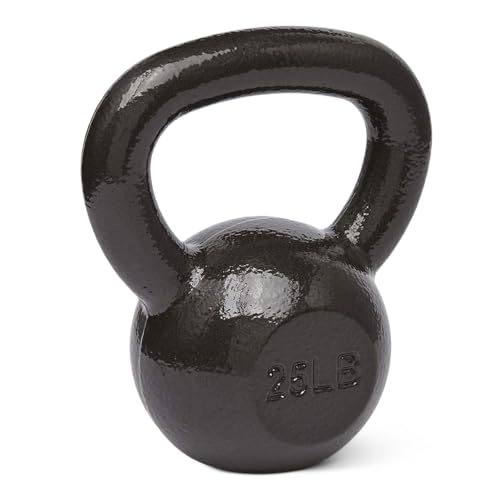
If you want something simple that actually works, this is one of the most effective tools I’ve used to build strength, conditioning, and endurance without needing a full gym setup.
- Full-body training with one weight using swings, squats, and presses
- Solid cast iron build that feels stable and lasts for years
- Comfortable grip that makes high-rep workouts easier to handle
Dr. Sims, who has held research positions at Stanford University, Auckland University of Technology, and the University of Waikato, has dedicated her career to closing this gap. Her books ROAR and Next Level focus specifically on how hormonal fluctuations fundamentally alter how women should train, eat, and recover.
Why Fasted Training Backfires for Women
Fasted cardio has been promoted as a fat-burning strategy for years. But according to Sims, this approach triggers a unique stress response in women that men don’t experience.
When women train on empty stomachs, their hypothalamic-pituitary axis responds differently. The body interprets fasted exercise as a stressor, ramping up cortisol production in ways that promote fat storage rather than fat burning.
Women need to fuel before training to avoid triggering the stress response that leads to belly fat storage and hormonal disruption.
Sims recommends consuming protein before morning workouts—specifically, she suggests adding 30 grams of protein to coffee before training. This simple shift provides amino acids that prevent muscle breakdown while keeping cortisol levels in check.
Intermittent Fasting: Not Created Equal
Intermittent fasting became wildly popular based largely on male-focused research showing metabolic benefits. But women don’t respond the same way.
Common fasting windows—like skipping breakfast until noon—don’t confer identical benefits for female metabolism. In fact, extended morning fasts can disrupt blood sugar regulation throughout the day and night.
If you want something simple that actually works, this is one of the most effective tools I’ve used to build strength, conditioning, and endurance without needing a full gym setup.
- Full-body training with one weight using swings, squats, and presses
- Solid cast iron build that feels stable and lasts for years
- Comfortable grip that makes high-rep workouts easier to handle
Sims points to a specific mechanism: skipping breakfast can cause blood sugar drops that trigger 2am wake-ups. When glucose levels crash during sleep, cortisol spikes to raise blood sugar—waking women in the middle of the night.
For women dealing with hormonal shifts during perimenopause and menopause, this effect becomes even more pronounced. Estrogen and progesterone fluctuations already affect sleep quality; adding fasting-induced blood sugar swings compounds the problem.
Progesterone’s Hidden Impact on Muscle
One of Sims’ key research focuses involves how progesterone affects muscle protein breakdown. This hormone, which peaks during certain phases of the menstrual cycle, actively accelerates muscle tissue breakdown.
Research published in Medicine in Sports and Exercise Science supports prioritizing post-workout protein specifically for women. Without adequate protein intake timed around training, women face greater muscle loss than men performing identical workouts.
This matters enormously for body composition. Muscle tissue drives metabolic rate, supports bone density, and determines how efficiently bodies burn fat at rest.
The “Skinny Fat” Trap
Sims warns against steady-state cardio without resistance training—a combination that leads to what’s sometimes called being “skinny fat.” Women can appear thin while carrying high levels of visceral fat and dangerously low muscle mass.
If you want something simple that actually works, this is one of the most effective tools I’ve used to build strength, conditioning, and endurance without needing a full gym setup.
- Full-body training with one weight using swings, squats, and presses
- Solid cast iron build that feels stable and lasts for years
- Comfortable grip that makes high-rep workouts easier to handle
Cardio alone doesn’t build muscle. Without resistance training, women lose lean tissue while potentially gaining internal fat around organs—even if scale weight stays stable or drops.
A study in the Journal of Strength and Conditioning Research found women increased strength by 30% over 12 weeks of resistance training, compared to 25% for men. Women respond exceptionally well to strength work—yet many avoid it based on outdated fears about “bulking up.”
What Women Should Do Instead
Sims’ recommendations center on working with female physiology rather than against it. Her protocol includes several key shifts from mainstream advice:
Prioritize Protein, Especially in the Morning
Aim for 30 grams of protein within an hour of waking. This stabilizes blood sugar, prevents muscle breakdown, and sets metabolic tone for the entire day.
Protein before training is non-negotiable for women, according to Sims. It provides amino acids that protect muscle tissue during exercise while preventing the cortisol spike that promotes fat storage.
Choose Resistance Training Over Steady Cardio
Heavy lifting and high-intensity interval training (HIIT) preserve muscle mass while improving body composition far more effectively than long cardio sessions.
If you want something simple that actually works, this is one of the most effective tools I’ve used to build strength, conditioning, and endurance without needing a full gym setup.
- Full-body training with one weight using swings, squats, and presses
- Solid cast iron build that feels stable and lasts for years
- Comfortable grip that makes high-rep workouts easier to handle
Women should focus on compound movements with challenging weights. The goal is building strength and power—qualities that become even more critical during perimenopause and menopause when muscle loss accelerates.
Adjust Recovery Protocols
Sims notes that even cold water immersion requires different approaches. Ice baths below 55°F may be too cold for optimal female recovery, potentially triggering excessive stress responses.
Women benefit from slightly warmer temperatures for cold therapy and may need different timing around menstrual cycles when body temperature naturally fluctuates.
The Growing Market for Women’s Health Information
Interest in female-specific health science is exploding. The U.S. menopause health market alone reached approximately $17.7 billion in 2024 and is projected to hit $27.6 billion by 2033, according to Women’s Health Access Matters.
This growth reflects decades of unmet need. Women are finally getting access to research that acknowledges their distinct physiology rather than treating them as smaller versions of men.
Sims has appeared on major platforms including Diary of a CEO and Huberman Lab, bringing female-focused exercise science to mainstream audiences. Her work addresses gaps that affected generations of women who followed advice that was never tested on female subjects.
If you want something simple that actually works, this is one of the most effective tools I’ve used to build strength, conditioning, and endurance without needing a full gym setup.
- Full-body training with one weight using swings, squats, and presses
- Solid cast iron build that feels stable and lasts for years
- Comfortable grip that makes high-rep workouts easier to handle
Creatine, Brain Health, and Bone Density
Beyond training and fasting protocols, Sims advocates for creatine supplementation specifically for women. While creatine is often marketed to men for muscle building, research shows unique benefits for female brain health and bone density.
Women naturally have lower creatine stores than men. Supplementation may support cognitive function, especially during hormonal transitions that affect mental clarity.
Bone density concerns become critical during menopause when estrogen drops. Creatine combined with resistance training offers protective effects beyond what either intervention provides alone.
Working With Your Cycle, Not Against It
Sims’ broader framework involves timing nutrition and training around hormonal fluctuations. During the follicular phase (first half of cycle), women may handle higher training volumes and recover more quickly.
The luteal phase (second half) brings elevated progesterone, increased muscle breakdown risk, and potentially reduced exercise capacity. Adjusting expectations and protein intake during this window prevents frustration and optimizes results.
For women in perimenopause and menopause, when cycles become irregular or cease entirely, the focus shifts to managing cortisol, preserving muscle mass, and supporting bone health through strategic training and nutrition.
If you want something simple that actually works, this is one of the most effective tools I’ve used to build strength, conditioning, and endurance without needing a full gym setup.
- Full-body training with one weight using swings, squats, and presses
- Solid cast iron build that feels stable and lasts for years
- Comfortable grip that makes high-rep workouts easier to handle
The Bottom Line
Women aren’t broken when mainstream fitness advice doesn’t work for them. The advice was broken from the start—built on male-only research and applied universally without proper testing.
Dr. Sims’ work demonstrates that female physiology requires distinct approaches to training, fasting, recovery, and supplementation. Hormones like estrogen and progesterone fundamentally alter how women’s bodies respond to exercise stress, nutrient timing, and metabolic demands.
The solution isn’t doing more of what doesn’t work—it’s recognizing that women need science-backed protocols designed specifically for female biology. That means protein before training, resistance work over endless cardio, and eating patterns that support rather than disrupt hormonal balance.
After generations of being told to follow the same rules as men, women finally have access to research acknowledging what they’ve experienced all along: their bodies work differently, and that’s exactly how training and nutrition should be designed.