Brandon Carter has spent 27 years in fitness, training thousands of clients while maintaining an impressively lean physique well into his 40s.
In a recent candid video, he broke down his no-nonsense approach to fat loss that doesn’t require advanced math or complicated meal plans.
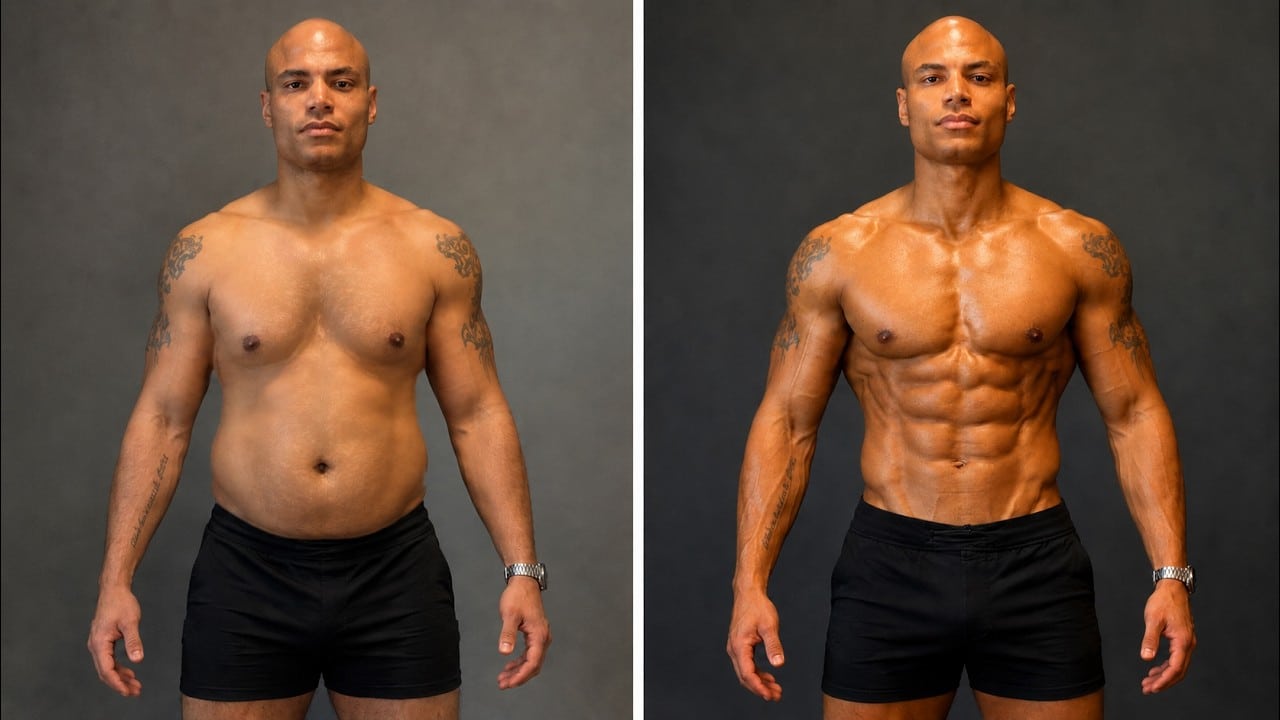
His formula centers on a caloric deficit combined with strategic walking—a combination he claims works for everyone from teenagers to middle-aged adults.
What makes his approach different is the emphasis on tracking and consistency rather than intense cardio sessions that leave people exhausted and hungry.
Jump to:
Understanding the Basic Math Behind Fat Loss
Carter explains that fat loss boils down to one fundamental principle: burning more calories than consumed.
Every pound of fat you want to lose, you have to burn 3500 calories more than you consume. This is what us in the biz call a caloric deficit.
To lose one pound weekly, a 500-calorie daily deficit is required. For two pounds per week, that number doubles to 1,000 calories.
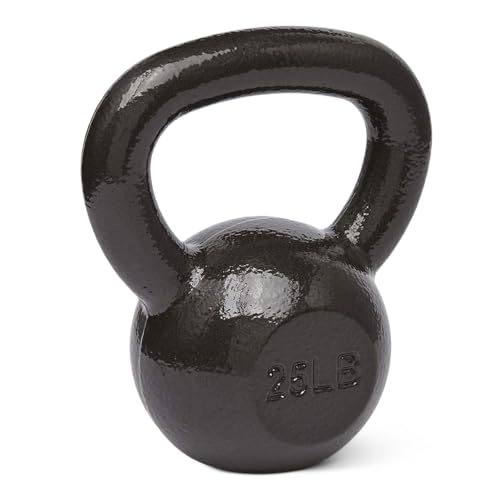
If you want something simple that actually works, this is one of the most effective tools I’ve used to build strength, conditioning, and endurance without needing a full gym setup.
- Full-body training with one weight using swings, squats, and presses
- Solid cast iron build that feels stable and lasts for years
- Comfortable grip that makes high-rep workouts easier to handle
His simple formula for calculating daily calorie intake: multiply body weight in pounds by 10. A 200-pound person would aim for 2,000 calories daily.
The Protein Priority
Carter insists on consuming one gram of protein per pound of body weight, despite some research suggesting slightly lower amounts might suffice.
I know a lot of you nerds will say, man, there’s studies that show you only need 0.8 grams of protein per pound of body weight. I became a personal trainer in 1999 during the Clinton administration. Most of y’all wasn’t even born and I was training 10 people a day.
His reasoning goes beyond muscle preservation. Protein offers multiple advantages during fat loss phases that make the higher target worthwhile.
Why Protein Burns More Calories
Between 20 and 30 percent of calories from protein get burned during digestion—a phenomenon called the thermic effect of food.
Carbohydrates only burn 5 to 15 percent of their calories during digestion, while fat burns virtually none (zero to 3 percent).
- Satiety: Protein keeps hunger at bay longer than carbohydrates
- Muscle preservation: High protein intake protects lean tissue during caloric restriction
- Metabolic advantage: Consuming 100 calories of protein yields only 70-80 net calories after digestion
The 20,000 Steps Strategy
Rather than recommending intense cardio sessions, Carter advocates for walking 20,000 steps daily.
If you want something simple that actually works, this is one of the most effective tools I’ve used to build strength, conditioning, and endurance without needing a full gym setup.
- Full-body training with one weight using swings, squats, and presses
- Solid cast iron build that feels stable and lasts for years
- Comfortable grip that makes high-rep workouts easier to handle
Just get 20,000 steps per day. I know you’re saying, hey, man, that’s a lot. That’s too much. Hey man, you fat. Shut up. That’s easier than being fat.
This approach targets NEAT (non-exercise activity thermogenesis), which accounts for a significant portion of daily calorie expenditure that people can actually control.
Breaking Down Your Daily Steps
Carter suggests dividing 20,000 steps throughout the day rather than attempting them all at once:
- Morning: 5,000 steps during an early walk
- After lunch: Another 4,000 steps
- Throughout workday: 5,000 steps by walking during calls or taking stairs
- Evening: Final 6,000 steps before bed
At a moderate pace, 5,000 steps takes approximately 30 to 40 minutes. The total equals 8 to 10 miles depending on stride length.
Why Walking Beats Traditional Cardio
Carter has observed aerobics instructors with excess body fat despite their profession involving constant cardio—a paradox he attributes to compensatory mechanisms.
Intense cardio affects hunger hormones leptin and ghrelin, triggering increased appetite. A mile-long run burns roughly 100 calories, but the subsequent hunger might lead to consuming an equal amount.
So it’s like you did nothing. You was out here sweating, running around the city sweating, and your calories remain the same.
Walking produces minimal stress on the body, requires less recovery, preserves more muscle tissue, and doesn’t trigger the same hormonal hunger response.
If you want something simple that actually works, this is one of the most effective tools I’ve used to build strength, conditioning, and endurance without needing a full gym setup.
- Full-body training with one weight using swings, squats, and presses
- Solid cast iron build that feels stable and lasts for years
- Comfortable grip that makes high-rep workouts easier to handle
For a 200-pound person, 20,000 daily steps burns approximately 1,000 additional calories. Someone weighing 300 pounds would burn closer to 1,500 calories.
Understanding How Your Body Burns Calories
Carter breaks down four pathways through which the body expends energy:
- Basal Metabolic Rate (BMR): 60-70% of total calories burned, representing energy needed for basic organ function and staying alive
- Thermic Effect of Food: 8-10% of calories burned through digestion
- Exercise: 0-10% from structured workouts like cardio or lifting
- NEAT: Non-exercise activity thermogenesis from daily movement
NEAT represents the most controllable variable. Intense cardio sessions can be counterproductive by reducing NEAT throughout the rest of the day as fatigue sets in.
The Lifting Component
Beyond walking and nutrition, Carter recommends full-body resistance training three to five times weekly.
This preserves muscle tissue during caloric restriction, ensuring weight loss comes from fat rather than lean mass.
A six-pack don’t count if you ain’t got no muscle.
Modern Tracking Made Simple
Carter dismisses complaints about tracking being unsustainable, noting he’s maintained the practice for two decades.
If you want something simple that actually works, this is one of the most effective tools I’ve used to build strength, conditioning, and endurance without needing a full gym setup.
- Full-body training with one weight using swings, squats, and presses
- Solid cast iron build that feels stable and lasts for years
- Comfortable grip that makes high-rep workouts easier to handle
He now uses AI tools like Claude or ChatGPT instead of traditional apps like MyFitnessPal. Claude syncs with Apple Health, automatically pulling calorie expenditure data from his Oura Ring.
His process: photograph meals or food labels, upload to Claude, which calculates calories and macros while showing running totals and deficit status throughout the day.
This has been a game changer for me. Now during the day I can actually see how much of a deficit I’m in.
For those interested in his exact prompts for ChatGPT or Claude, Carter offers them via Instagram direct message using the word “tracking.”
What About Carbs and Fats?
Carter maintains flexibility regarding macronutrient distribution beyond protein requirements.
He’s followed a ketogenic diet for 11 consecutive years but acknowledges successful fat loss occurs with various carbohydrate intakes. His keto commitment stems from perceived immune and skin benefits rather than superior fat loss.
I have not been sick or had a cold in 11 years. My girl had COVID three times. I was kissing her in the mouth, didn’t even test positive.
His advice: hit calorie and protein targets first, then distribute remaining calories between carbs and fats based on personal preference and adherence.
If you want something simple that actually works, this is one of the most effective tools I’ve used to build strength, conditioning, and endurance without needing a full gym setup.
- Full-body training with one weight using swings, squats, and presses
- Solid cast iron build that feels stable and lasts for years
- Comfortable grip that makes high-rep workouts easier to handle
Putting It All Together
Carter’s complete formula for rapid fat loss:
- Calories: Body weight in pounds × 10
- Protein: One gram per pound of body weight
- Steps: 20,000 daily
- Lifting: Full-body workouts 3-5 times weekly
- Tracking: Monitor both intake and expenditure using AI tools or apps
A 200-pound person following this protocol would consume 2,000 calories with 200 grams of protein while burning approximately 1,000 additional calories through walking—creating a substantial daily deficit.
Over seven days, this produces a 7,000-calorie deficit, translating to approximately two pounds of fat loss weekly.
Carter acknowledges results may vary slightly due to individual factors, but maintains the trend will consistently move toward significant fat reduction for anyone implementing the system properly.
The approach requires no complex meal timing, no elimination of food groups (beyond personal choice), and no grueling cardio sessions that leave people depleted and ravenous.
His emphasis throughout remains on consistency and adherence—tracking daily, hitting step goals, maintaining protein intake, and lifting regularly create compound effects that produce dramatic changes over weeks rather than requiring perfection on any single day.
If you want something simple that actually works, this is one of the most effective tools I’ve used to build strength, conditioning, and endurance without needing a full gym setup.
- Full-body training with one weight using swings, squats, and presses
- Solid cast iron build that feels stable and lasts for years
- Comfortable grip that makes high-rep workouts easier to handle