Supplementation for women doesn’t need to be complicated, but knowing which ones actually matter can feel overwhelming.
In a recent conversation, health expert and fitness specialist Dr. Stacy Sims broke down her personal supplement routine—separating the “tier one” essentials from the nice-to-haves.

Her approach is refreshingly practical: strategic placement, habit stacking, and focusing on what science actually supports.
From magnesium to creatine, here’s what she recommends and why these supplements deserve a spot in your daily routine.
Jump to:
- Magnesium: The Foundation Everyone Needs
- Omega-3s: The Anti-Inflammatory Powerhouse
- Vitamin D3 With K2: The Misunderstood “Vitamin”
- Creatine: No Longer Just for Bodybuilders
- Collagen: Beyond Skin Deep
- Supporting Cast: Electrolytes and Vitamin C
- Cardio Training: Finding Balance
- Sprinting: The Exercise People Quit Too Soon
- Plyometrics and Bone Density
- Deceleration: The Underrated Skill
Magnesium: The Foundation Everyone Needs
Magnesium glycinate sits at the top of Dr. Sims’ supplement hierarchy for good reason.
This is our tried and true bestie. I love magnesium glycinate. There’s lots of different kinds, but glycinate’s just the easiest to absorb for most people.
She takes 250 mg at lunch and another dose in the evening. The benefits are multifaceted: improved relaxation, better sleep quality, and enhanced muscle recovery.
But here’s the real secret to consistency—placement matters more than motivation.
I actually keep my magnesium right beside my salt and my pepper. So, as I’m like salting my food, I’m like, oh yeah, there’s the magnesium I got to take it.
She keeps another bottle in her bathroom for the evening dose. Visual cues trigger action.
Omega-3s: The Anti-Inflammatory Powerhouse
Omega-3 fatty acids have extensive research backing their benefits for inflammation reduction and cognitive function.
Dr. Sims recommends 2-4 grams daily. One crucial detail many people miss: refrigeration helps prevent spoilage.
Store your fish oil supplements in the fridge, ideally positioned in front of items you reach for frequently. Morning fruit enthusiast? Place them right there.
Vitamin D3 With K2: The Misunderstood “Vitamin”
Despite its name, vitamin D functions more like a prohormone than a traditional vitamin.
They call it a vitamin, it’s not really a vitamin. It’s more of like a prohormone or free hormone. So, this is really important for sex hormone, reproductive hormone production.
Dr. Sims recommends a minimum of 4,000 IUs daily, paired with K2. Even people living in sunny climates often test deficient.
Florida residents with ample sun exposure still show surprising deficiencies in clinical testing. Geography doesn’t guarantee adequate levels.
Creatine: No Longer Just for Bodybuilders
Creatine has shed its “bro supplement” reputation, and Dr. Sims believes every woman should consider adding it to their routine.
The way that Dr. Candow described it to me was he said, you know, lifting weights builds the cake and this is like the icing on top of it, right?
Standard dosing ranges from 3-5 grams daily. Dr. Sims typically takes 5 grams, but adjusts based on specific circumstances.
The Perimenopause Hack
After nights of poor sleep, she doubles her dose to 10 grams.
Taking a higher dose of creatine that day will help with your cognition, your awareness, and your alertness.
Higher doses help creatine cross the blood-brain barrier more effectively, providing cognitive support when you need it most.
When she stops taking creatine regularly, muscles appear less full and workout performance noticeably declines.
Collagen: Beyond Skin Deep
Collagen receives substantial criticism online, primarily because it contains less than 3% leucine—an amino acid crucial for muscle protein synthesis.
But Dr. Sims argues that criticism misses the point entirely.
The whole goal for women is not just muscle, right? We have other tissues that go to the gym alongside our muscle that train like our tendons, our ligaments, our joints.
She recommends 10-15 grams daily of hydrolyzed type 1, 2, and 3 collagen for what she calls “the JTL”—joints, tendons, and ligaments.
While purists might cringe, she often adds it to her morning coffee. Practicality trumps perfection when it ensures actual compliance.
Supporting Cast: Electrolytes and Vitamin C
Electrolytes aren’t daily essentials for Dr. Sims, but become important during extended cardio sessions.
Tennis sessions running for hours in the heat warrant electrolyte supplementation. Heavy sweating depletes these minerals rapidly.
Vitamin C serves dual purposes: general antioxidant support and enhanced collagen absorption when taken together.
There’s no harm in taking vitamin C, right? It’s water soluble. You take too much, you pee it out.
Cardio Training: Finding Balance
Cardiovascular exercise shouldn’t be viewed as punishment or solely as a weight-loss tool.
Dr. Sims emphasizes reframing cardio around healthspan and lifespan—living longer while maintaining quality of life throughout those years.
Addressing PCOS Concerns
Women with PCOS often worry that high-intensity training spikes cortisol and worsens insulin resistance.
Dr. Sims dismantles this fear by contextualizing cortisol.
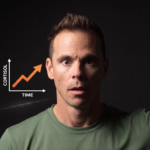
Without cortisol, you won’t wake up in the morning. We need cortisol.
Cortisol naturally peaks upon waking through the cortisol awakening response, then gradually declines. Training—whether resistance or cardio—causes predictable, healthy cortisol spikes.
For women with PCOS, muscle contractions during exercise help pull glucose into cells regardless of insulin presence. Both zone two cardio and high-intensity interval training provide benefits.
Sprinting: The Exercise People Quit Too Soon
Sprinting tops the list of exercises people abandon with age but absolutely shouldn’t.
VO2 max—the body’s capacity to take in and utilize oxygen—declines 10% per decade without intervention. Muscle mass follows a similar trajectory at 1% yearly.
Being winded climbing stairs isn’t “just getting older.” It reflects lost capacity, not inevitable aging.
The Norwegian 4×4 Protocol
When outdoor track sprinting isn’t feasible, Dr. Sims uses the Norwegian 4×4 on a stationary bike.
- 4 minutes at 85% maximum heart rate
- 3-minute recovery
- Repeat 4 times
Research on 58-year-old women following sprint protocols showed 10% VO2 max improvements in just eight weeks.
Even more compelling: older participants showed 69% mitochondrial efficiency improvements compared to 49% in 18-30 year olds.
These women had maybe the gap was bigger for them, but they had so much more upside to gain. The best time to start was 10 years ago, fine, but the second best time is today.
Plyometrics and Bone Density
Jumping and hopping exercises strengthen bones and joints through mechanical loading.
The “use it or lose it” principle applies ruthlessly here. Stop jumping, and your body deprioritizes that capacity.
For bone density improvements, add a weighted vest to plyometric exercises. Increased strain magnitude and rate drive positive bone remodeling.
Can’t jump yet? Start with isometric calf raises—standing on toes with heels elevated. Mechanoreceptors detect tension and signal remodeling needs.
Progress gradually: isometric holds, then small hops, eventually full jumps. No gym required.
Deceleration: The Underrated Skill
While acceleration gets attention, deceleration ability determines injury resistance and functional longevity.
Coming to a complete stop requires tendons and ligaments to absorb kinetic energy without dumping force into joints.
In athletic performance, change-of-direction ability predicts professional success better than vertical jump, acceleration speed, or endurance testing.
Functionally, deceleration prevents falls. Tripping on rugs or losing footing on stairs requires rapid stabilization—getting your foot positioned correctly and stopping motion before falling.