On a recent episode of the Counterpoint podcast, host Ryan Price put Dr. Ben Peterson in front of ten people ready to change their bodies.
Peterson, a doctor of physical therapy, strength and conditioning specialist, and nutritionist, fielded questions on everything from protein snacks to stubborn belly fat.
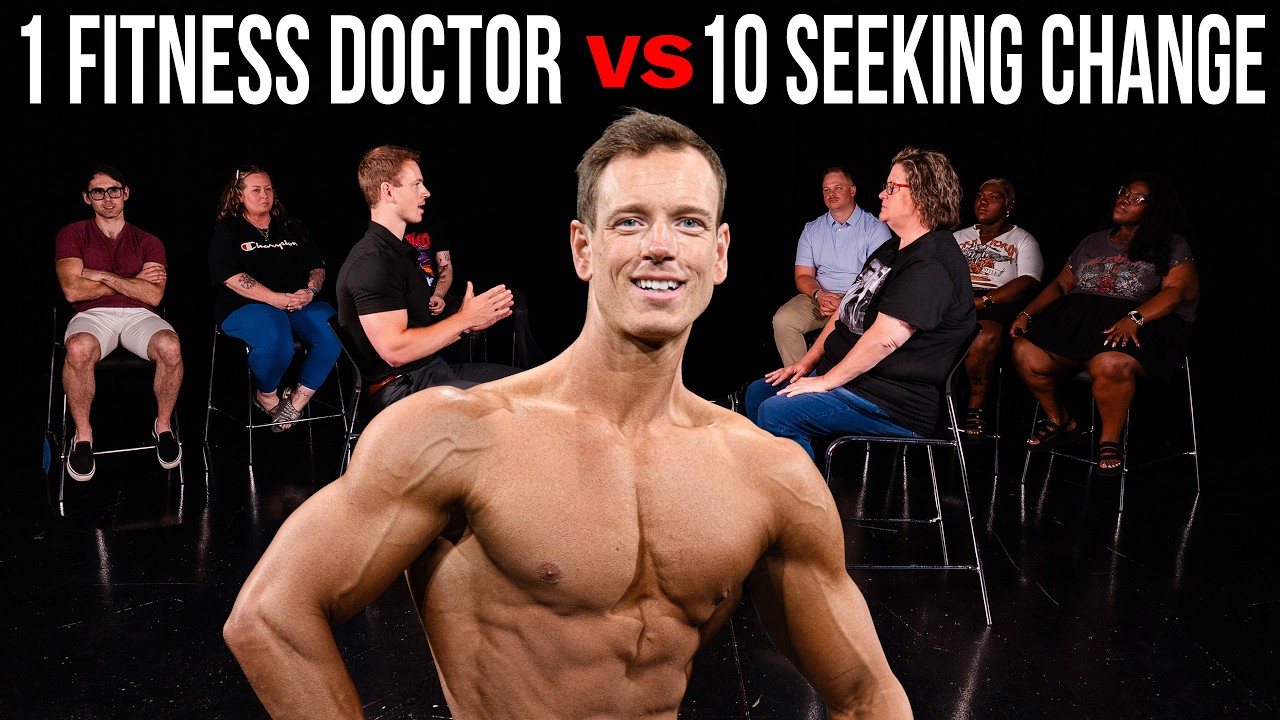
One guest called electrolytes and protein Doritos a full-blown conspiracy.
Another had lost 210 pounds yet still dreaded stepping into a gym.
His answers were blunt, practical, and surprisingly simple.
Here is what he said, starting with the idea that underpins everything else.
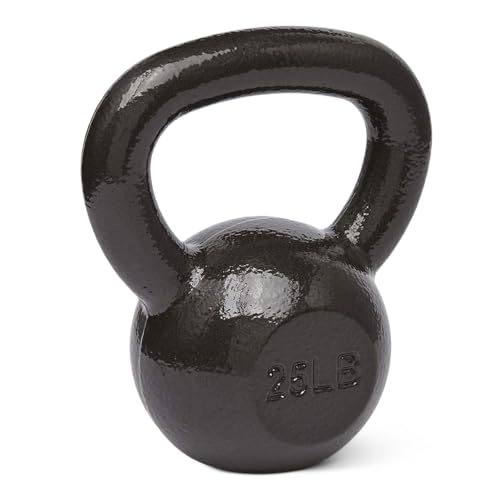
If you want something simple that actually works, this is one of the most effective tools I’ve used to build strength, conditioning, and endurance without needing a full gym setup.
- Full-body training with one weight using swings, squats, and presses
- Solid cast iron build that feels stable and lasts for years
- Comfortable grip that makes high-rep workouts easier to handle
Jump to:
Tiny Habits Beat Big Motivation
Guest after guest described the same pattern: a burst of hype, then a crash. Peterson’s fix is to shrink the goal until failure becomes nearly impossible.
Fitness is never one silver bullet. It’s always a thousand tiny BBs.
His coaching uses a five-level order of priorities:
- Nutritional habits come first.
- Calorie goal follows.
- Protein is next.
- Carbs and fats slot in after.
- Micronutrients and finer details finish the list.
For a simple starting plate, he suggested half fruits and vegetables, a quarter protein, a quarter carbs. Eating similar meals repeatedly, he added, can make adherence easier.
Another tip: pair a new habit with one already in place. A guest who prepares homemade food for four rescue dogs every Sunday was told to point that same caring energy at herself.
Think Slower Than Social Media Says
One guest wanted to lose 80 pounds after a frightening health scare. Peterson reframed the timeline.
Let’s think on it as a 80-week time horizon. Like 2 years, right?
Faster plans, he warned, are more likely to crash and burn. Even one pound a week counts as real progress.
If you want something simple that actually works, this is one of the most effective tools I’ve used to build strength, conditioning, and endurance without needing a full gym setup.
- Full-body training with one weight using swings, squats, and presses
- Solid cast iron build that feels stable and lasts for years
- Comfortable grip that makes high-rep workouts easier to handle
Protein Hype: Where Labels Mislead
Asked about the protein conspiracy theory, Peterson agreed that marketing is out of control, even though protein itself matters.
When you put protein on a label, maybe sells a little bit better.
By his account, a product can carry a protein claim at 5 grams per serving and a high-protein claim at 10 grams. Checking current labeling rules yourself is wise, since requirements vary by country.
His quick filter: add a zero to the protein grams. If that number beats the calories, the food is a strong protein source.
How Much Protein Is Enough?
One guest heard two camps: stop at one gram per pound, or chase 200 to 250 grams daily. Peterson pointed to a systematic review supporting 0.7 grams per pound as solid and recommends 0.7 to 1 for most clients.
There’s no one correct number. There’s only optimal ranges, right?
- Spread it out: four 40-gram servings feel easier than one 160-gram target.
- Count the small stuff: eggs, Greek yogurt, bread, and potatoes all contribute.
- Favor whole foods: Peterson said liquid protein is less filling than solid meals.
Electrolytes, Mushroom Coffee, and Fasting
On electrolytes, Peterson was brutal. He called them a high-margin, low-cost product and said most gym-goers don’t need them.
Context matters here: very long, sweaty sessions in the heat can change needs, so exceptions exist. For a typical workout, water and normal meals usually cover it, which is largely his point.
If you want something simple that actually works, this is one of the most effective tools I’ve used to build strength, conditioning, and endurance without needing a full gym setup.
- Full-body training with one weight using swings, squats, and presses
- Solid cast iron build that feels stable and lasts for years
- Comfortable grip that makes high-rep workouts easier to handle
Functional mushroom coffee drew similar skepticism. Products promising metabolic miracles mostly deliver vitamins and minerals you already get from food, he said, though correcting a true deficiency in magnesium or vitamin D is worthwhile.
Anything that promises more results with less effort get a lot of views. But, realistically, things that require effort get the best results.
Intermittent fasting got a shrug. Total calories drive results, and fasting merely shifts when you eat.
Intermittent fasting isn’t something magical. It’s more of just like a timing strategy to think about.
Metabolism, he said, rests on three pillars: more steps, more activity, more muscle.
Plateaus and Belly Fat: Patience and Tracking
One guest, stalled near 220 pounds, believed gaining muscle explained his flat scale. Peterson doubted it.
Experienced lifters, he said, gain roughly 5 to 8 pounds of muscle yearly, so miscounted calories are the likelier culprit. Rates of muscle gain vary with training history, so beginners may progress faster.
The extra 5 minutes a day you spend tracking your food will save you months and years of headache of not making as much progress as you otherwise would.
Another guest asked how to shrink his gut. Peterson’s answer: spot reduction doesn’t exist, and that area is often the last to go.
If you want something simple that actually works, this is one of the most effective tools I’ve used to build strength, conditioning, and endurance without needing a full gym setup.
- Full-body training with one weight using swings, squats, and presses
- Solid cast iron build that feels stable and lasts for years
- Comfortable grip that makes high-rep workouts easier to handle
- Aim for roughly sub-15% body fat to see that area change.
- Extend the time horizon.
- Keep protein adequate, favor high-volume low-calorie foods, and train progressively.
Gym Anxiety? Treat Exercises Like Skills
Dayton lost 40 pounds through diet alone, then kept walking in and out of the gym. Peterson recommended the 3-5-7 method: three days weekly, five exercises, three sets of ten.
Start with fixed-path machines, since they are hard to botch. Pick a weight near 50 percent of what feels possible.
Just make it super freaking tiny so that way you can achieve it, and then you add a layer, and add a layer, and add a layer.
For a guest who hates exercise, he offered a psychological twist: people dislike workouts because they aren’t good at them yet. Alternating a favorite move, like squats, with something new makes progress feel like collecting Pokémon.
He also reminded her that strength training burns modest calories, so judge sessions by strength gains, not watch readouts.
Avoiding Injury: Too Much, Too Soon
A lifter recovering from tennis elbow asked how to stay healthy with age. Peterson blamed programming over bad luck.
It’s usually just because you’ve done too much, too often, too soon, right?
- Build load gradually instead of jumping in hard.
- Rest 5 to 14 days after a flare-up, then reload slowly.
- Stop picking your scabs: repeatedly testing a sore joint prolongs recovery.
- See a physical therapist early. Peterson noted that direct access often lets you skip the doctor, though rules vary by location.
How to Vet Fitness Advice
A guest with a finance PhD asked where to find trustworthy information. Peterson suggested PubMed and Google Scholar, prioritizing systematic reviews over single studies.
If you want something simple that actually works, this is one of the most effective tools I’ve used to build strength, conditioning, and endurance without needing a full gym setup.
- Full-body training with one weight using swings, squats, and presses
- Solid cast iron build that feels stable and lasts for years
- Comfortable grip that makes high-rep workouts easier to handle
You can find individual studies to almost prove everything.
Credentials help too, though a degree alone proves little. Beware coaches whose views feel purely ideological.
Compare Yourself to Yourself
For a lifter whose motivation stems from insecurity, Peterson advocated body neutrality and a goal beyond mirrors, such as a powerlifting meet.
Comparing you to yourself where you were before is going to be much better way to compare, right?