Cottage cheese continues its reign as one of fitness nutrition’s most versatile ingredients, and content creator The Protein Chef just dropped another surprisingly delicious recipe into the mix.
His latest creation? Cottage cheese cookie dough that mimics traditional raw cookie dough without eggs, refined sugar, or excessive calories.
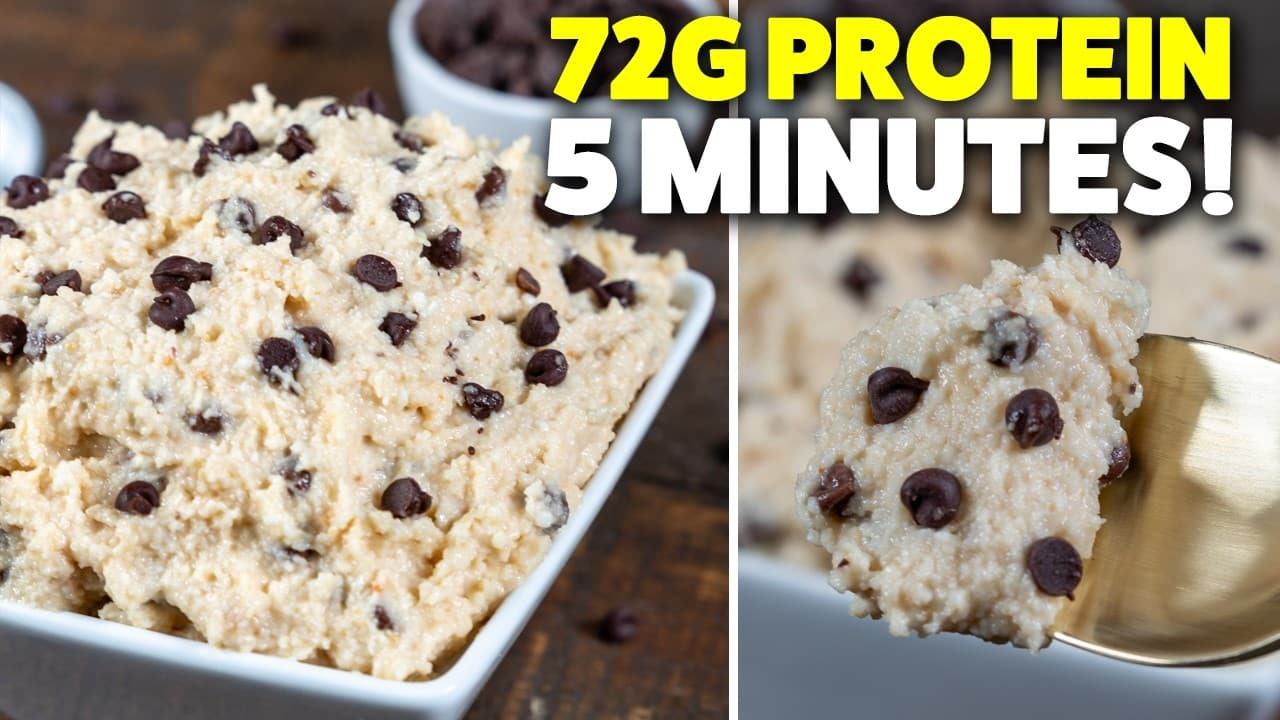
After previously tackling cottage cheese mousse and frozen bark recipes, he’s now bridging both textures with something chilled yet creamy—perfect for anyone seeking healthier dessert alternatives.
And according to his on-camera taste test, this one might just be his best cottage cheese creation yet.
Jump to:
Simple Recipe, Flexible Macros
Making cottage cheese cookie dough requires minimal ingredients and equipment. Start with either a food processor or blender—whichever’s available works perfectly fine.
Begin by processing one cup of rolled oats until they resemble flour. This creates a base that binds everything together while keeping carbohydrates complex and fiber content high.
Next comes the core mixture:
- One cup cottage cheese
- One teaspoon vanilla extract
- One scoop vanilla protein powder
- Two tablespoons sugar-free syrup
- Two tablespoons neutral nut butter (or peanut butter for peanut butter cookie dough flavor)
Blend everything until completely smooth. Texture matters here—any remaining lumps will affect that authentic cookie dough mouthfeel.
Flour Options Beyond Oats
While rolled oats work beautifully, they’re not your only option. Already have oat flour sitting in your pantry? Skip processing rolled oats entirely and add oat flour directly to your blended mixture.
Prefer lower carbohydrates or dislike oat flavor? Almond flour substitutes seamlessly.
Both work great for texture here. I like an oat tasting cookie. Shout out Chick-fil-A. And like the macros with the oats a bit more for my diet.
Different flours deliver different nutritional profiles. Oats provide more carbohydrates with additional fiber, while almond flour offers higher fat content with fewer net carbs—choose based on personal dietary goals.
Chocolate Chips Make Everything Better
What’s cookie dough without chocolate chips? The final step involves lightly folding mini chocolate chips throughout your mixture.
The Protein Chef typically adds one to two tablespoons depending on daily macro targets. Mini chips distribute more evenly than regular-sized chips, creating chocolate in every bite without overwhelming sweetness.
After mixing, refrigerate for approximately one hour before eating. Chilling firms up texture considerably, transforming blended ingredients into something remarkably close to actual cookie dough consistency.
Taste Test Results
Unlike previous videos where recipe preparation appeared polished and edited, The Protein Chef decided to try this creation on camera based on viewer feedback requesting more authentic reactions.
It tastes like cookie dough, but really I don’t know how to describe it. Let’s say it’s like a chilled creamier version of cookie dough. Soft, still doughy. Can’t taste the cottage cheese at all.
His verdict? Five stars, absolutely delicious, especially for cottage cheese skeptics.
That last point matters significantly—cottage cheese carries strong opinions among food enthusiasts. Many people avoid it entirely due to texture or flavor concerns, yet when blended into recipes like this, cottage cheese becomes completely undetectable while adding valuable protein and creamy consistency.
Pro Tips for Perfect Texture
Choose Low-Liquid Cottage Cheese
Cottage cheese brands vary dramatically in moisture content. Excess liquid creates runny cookie dough that doesn’t hold shape properly.
The less liquid in your cottage cheese, the better texture you’ll get. Some people say this is dependent on the fat content, but I really think it’s by brand.
If your cottage cheese appears particularly watery, drain excess liquid before blending. Alternatively, add slightly more flour—approximately one-quarter cup extra—to absorb additional moisture and restore proper consistency.
Multiple Ways to Enjoy
Versatility ranks among this recipe’s strongest advantages. Eat cottage cheese cookie dough straight with a spoon as a standalone snack, spread it across rice cakes for added crunch, or use it as a dip for apple slices or pretzels.
No wrong approach exists here—customize consumption based on preferences and remaining daily macros.
Storage Recommendations
Keep finished cookie dough refrigerated at all times. Properly stored in an airtight container, it maintains freshness for four to five days.
Texture actually improves after initial refrigeration as flavors meld together and consistency firms up overnight. Making larger batches for meal prep throughout the week works perfectly with this recipe.
Why Cottage Cheese Works
Cottage cheese delivers impressive nutritional value that makes it ideal for high-protein dessert recipes. Most varieties contain 12-15 grams of protein per half cup while remaining relatively low in calories and fat.
When blended completely smooth, cottage cheese provides creamy texture similar to cream cheese or Greek yogurt without tangy aftertaste. Combined with vanilla extract, protein powder, and sweetener, cottage cheese flavor disappears entirely.
This neutral profile allows cottage cheese to adapt to virtually any flavor combination—chocolate, vanilla, peanut butter, even fruity variations work beautifully.
Beyond protein content, cottage cheese contains calcium, phosphorus, selenium, and B vitamins. These micronutrients support bone health, immune function, and energy metabolism—benefits rarely found in traditional desserts.
Macro-Friendly Dessert Alternative
Traditional cookie dough recipes contain butter, eggs, white sugar, and white flour—ingredients that rapidly consume daily calorie budgets without substantial nutritional return.
This cottage cheese version flips that equation. Protein powder and cottage cheese dramatically increase protein content while reducing overall calories and unhealthy fats.
Exact macronutrient breakdown varies based on specific brands and ingredient choices, particularly regarding flour selection and chocolate chip quantity. The Protein Chef provides detailed nutritional information and metric conversions on his website for those tracking macros precisely.
For anyone following flexible dieting approaches, recipes like this prove you don’t need to eliminate desserts completely—just modify them intelligently.
Whether you’re cutting calories, increasing protein intake, or simply looking for healthier treat options that actually taste good, cottage cheese cookie dough deserves a spot in your recipe rotation.