Paulina Porizkova discovered something unexpected when she finally committed to strength training in her 60s.
It wasn’t just about looking better.
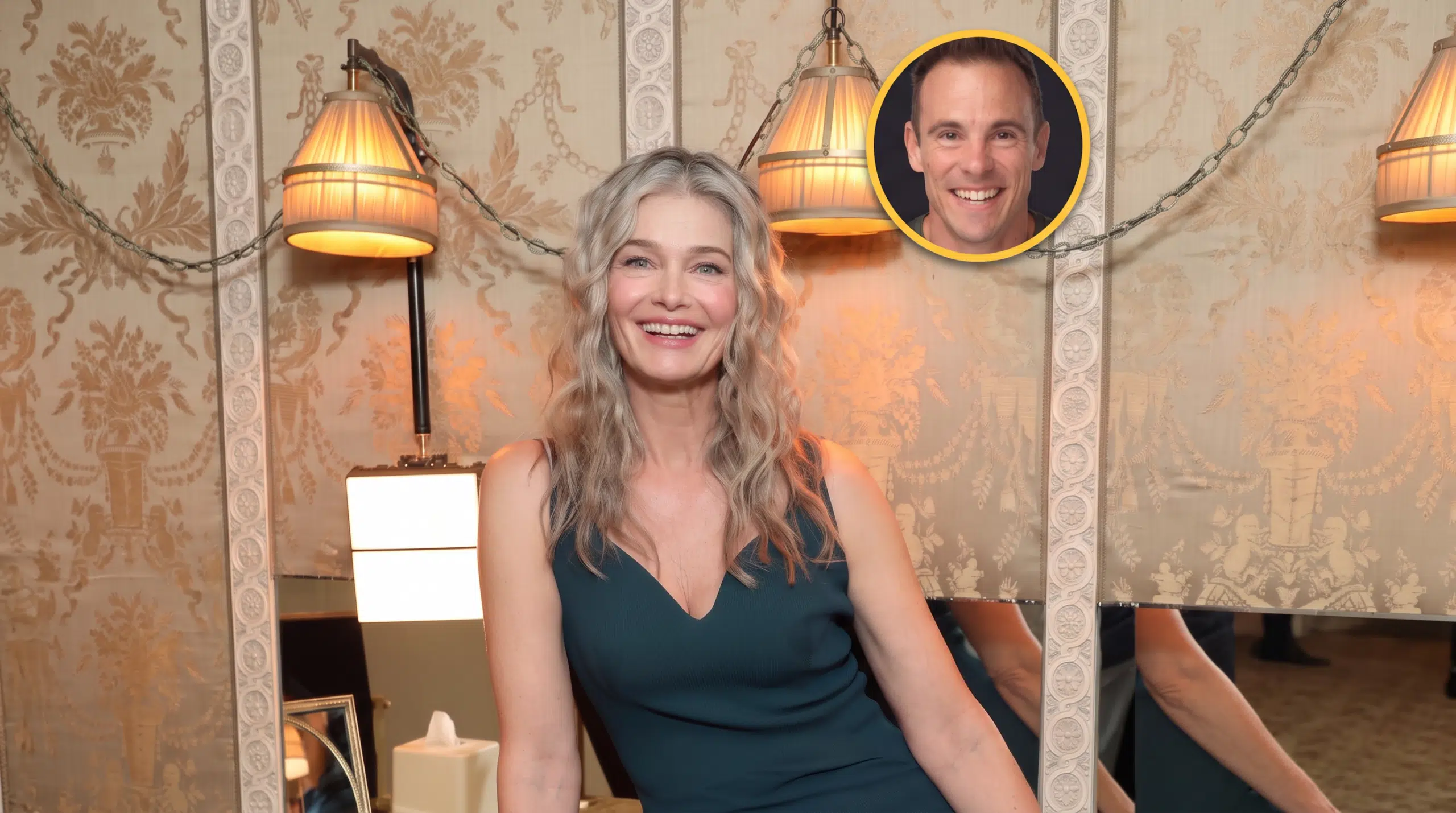
The 61-year-old supermodel recently opened up about her gym routine in an Instagram post, revealing how lifting weights transformed not only her physique but her mental health and physical capabilities in ways she never anticipated.
Her candid confession about hating exercise—yet doing it anyway—resonates with anyone who’s ever struggled to stay consistent.
Jump to:
- From Anxiety Relief to Physical Transformation
- The Workout Routine That Changed Everything
- Strength Over the Scale
- Overcoming Physical Setbacks
- The Mental Health Connection
- Why Lifting Heavy Matters in Your 60s
- The Importance of Proper Technique
- Redefining Fitness Success
- The Fan Response
- Practical Takeaways From Porizkova’s Approach
- The Bigger Picture
From Anxiety Relief to Physical Transformation
Porizkova didn’t start working out until her 40s, and her initial motivation had nothing to do with aesthetics.
I really used to hate to work out. And, so, I didn’t do it until I was in my 40s, and I realized that it really helped with my pretty severe anxiety.
She was honest about the secondary benefit: it made her look better too.
No products found.
But maintaining that routine hasn’t always been easy for the former “America’s Next Top Model” judge.
I still don’t like working out and would much rather be reclining on the couch and reading novels.
Yet she goes anyway, three days a week, because while reading feeds her brain, strength training feeds her body.
The Workout Routine That Changed Everything
Porizkova’s approach to fitness is refreshingly practical and sustainable.
She hits the gym three times weekly, alternating between upper body and lower body days, with one session dedicated to full-body work.
Her routine includes hammer curls, cable pulls, deadlifts, pull-ups, and lunges—all exercises that build functional strength.
She’s also taken advice from doctors and fitness influencers alike, focusing on lifting heavy weights rather than high-rep, low-weight exercises.
No products found.
Pilates rounds out her program, adding flexibility and core work to complement her strength sessions.
The supermodel emphasized one crucial detail: she and her husband work with a trainer who taught them proper form.
We work with a trainer who taught us HOW to lift properly so we don’t injure ourselves.
Strength Over the Scale
One revelation stands out in Porizkova’s journey: she’s gained 10 pounds since starting her strength routine.
For many women, that number would trigger alarm bells.
But Porizkova celebrated it as evidence of her newfound strength and vitality.
What’s wonderful about it is, it not only helps my severe anxiety and makes me look better, but it also has made me a lot stronger. So, despite my 10-pound weight gain, I can dance the night away with people half my age.
She proved that point by sharing video footage of herself dancing energetically at a wedding for her son’s friend.
No products found.
Even surrounded by younger guests, she held her own on the dance floor.
Overcoming Physical Setbacks
What makes Porizkova’s fitness transformation even more remarkable is the context.
She underwent bilateral hip replacement surgery after years of severe pain.
She also navigated menopausal weight gain—a challenge that affects countless women but is rarely discussed openly.
Her husband Jeff dealt with knee trouble, and both struggle with arthritis in their shoulders.
Yet despite these obstacles, they’ve never felt better physically.
No products found.
To feel like we’re in the best shape of our lives in our sixties is a revelation. This is after my bilateral hip replacement that kept me in severe pain for years, after my menopausal weight gain, after Jeff’s knee trouble, and including arthritis in both of our shoulders … and yet, We have never felt more at home and at ease in our bodies.
The Mental Health Connection
Porizkova’s emphasis on exercise as anxiety management aligns with substantial research on physical activity and mental health.
Regular strength training has been shown to reduce symptoms of anxiety and depression, improve mood, and enhance overall psychological well-being.
The mechanism involves multiple factors: increased endorphin production, better sleep quality, enhanced self-efficacy, and the simple act of setting and achieving goals.
For someone dealing with severe anxiety, as Porizkova described hers, finding a non-pharmaceutical intervention that works consistently can be life-changing.
Why Lifting Heavy Matters in Your 60s
Porizkova’s decision to focus on heavy lifting rather than light weights reflects current best practices in exercise science.
As we age, we naturally lose muscle mass—a process called sarcopenia that accelerates after age 30 and becomes more pronounced after 60.
No products found.
Resistance training with challenging weights is the most effective way to maintain and even build muscle tissue later in life.
Beyond aesthetics, this muscle preservation has profound health implications:
- Bone density protection: Weight-bearing exercise strengthens bones and reduces osteoporosis risk
- Metabolic health: Muscle tissue is metabolically active, helping maintain healthy blood sugar levels
- Injury prevention: Strong muscles protect joints and improve balance, reducing fall risk
- Functional independence: Strength enables daily activities without assistance
Porizkova’s ability to dance for hours demonstrates functional fitness that many people decades younger lack.
The Importance of Proper Technique
One detail Porizkova stressed repeatedly: working with a qualified trainer who taught proper form.
This isn’t just about maximizing results—it’s about safety, especially when recovering from surgery or managing chronic conditions like arthritis.
Improper deadlift form can strain the lower back.
No products found.
Poor pull-up technique can stress shoulder joints already compromised by arthritis.
Learning correct movement patterns from the start prevents compensatory habits that lead to injury down the line.
For anyone beginning strength training after 50—especially with existing joint issues or post-surgery—investing in professional guidance isn’t optional. It’s essential.
Redefining Fitness Success
Perhaps the most powerful aspect of Porizkova’s message is her redefinition of fitness success.
She didn’t celebrate weight loss or achieving a certain dress size.
Instead, she highlighted capability: dancing for hours, feeling at ease in her body, managing anxiety without medication, and maintaining independence despite bilateral hip replacement.
No products found.
This perspective shift—from appearance to function, from weight to strength—represents a healthier, more sustainable approach to fitness at any age.
It’s especially valuable for women navigating menopause, when bodies change in ways that traditional “diet and exercise” advice often fails to address.
The Fan Response
Porizkova’s honesty resonated deeply with her Instagram followers.
One comment particularly captured the impact of her message:
You are an inspiration. I’m looking at having a hip replacement down the road- am doing PT now to hold off for a bit. But looking at all you’re doing after having had both done, it gives me hope! Thank you! ❤️
This response highlights why representation matters in fitness.
Seeing someone thrive after significant surgery, at an age when many assume physical decline is inevitable, provides tangible hope for others facing similar challenges.
No products found.
Practical Takeaways From Porizkova’s Approach
Several lessons emerge from Porizkova’s fitness journey that anyone can apply:
- You don’t have to love exercise to benefit from it — Porizkova is refreshingly honest about disliking workouts, yet does them anyway because the results matter
- Consistency trumps intensity — Three weekly sessions, maintained over time, produce better results than sporadic intense efforts
- Hire a professional initially — Learning proper form from a qualified trainer prevents injury and accelerates progress
- Focus on multiple benefits — Exercise impacts mental health, physical capability, appearance, and longevity—not just one metric
- Recovery is possible — Major surgery or chronic conditions don’t mean giving up on physical fitness
- Weight gain isn’t always negative — Muscle weighs more than fat; strength and function matter more than scale numbers
The Bigger Picture
Porizkova’s message arrives at a critical moment in the conversation about aging, fitness, and women’s health.
Too often, fitness content targeting older adults emphasizes “gentle” movement and weight maintenance rather than genuine strength building.
While accessibility matters, this approach can inadvertently lower expectations and limit what people believe they’re capable of achieving.
Porizkova demonstrates that deadlifts, pull-ups, and heavy lifting aren’t just for 20-somethings.
With proper guidance and progressive training, they’re tools for maintaining quality of life, independence, and vitality well into later decades.
No products found.
Her revelation—feeling at home in her body despite (or perhaps because of) the challenges she’s faced—offers a vision of aging that’s empowering rather than limiting.
It’s a reminder that your best physical shape isn’t necessarily in your past. Sometimes, with the right approach, it’s still ahead.