Ground beef and rice might sound like the culinary equivalent of beige—predictable, boring, and something you resigned yourself to eating in college.
But what if three simple frameworks could transform this humble duo into over a thousand different meals?
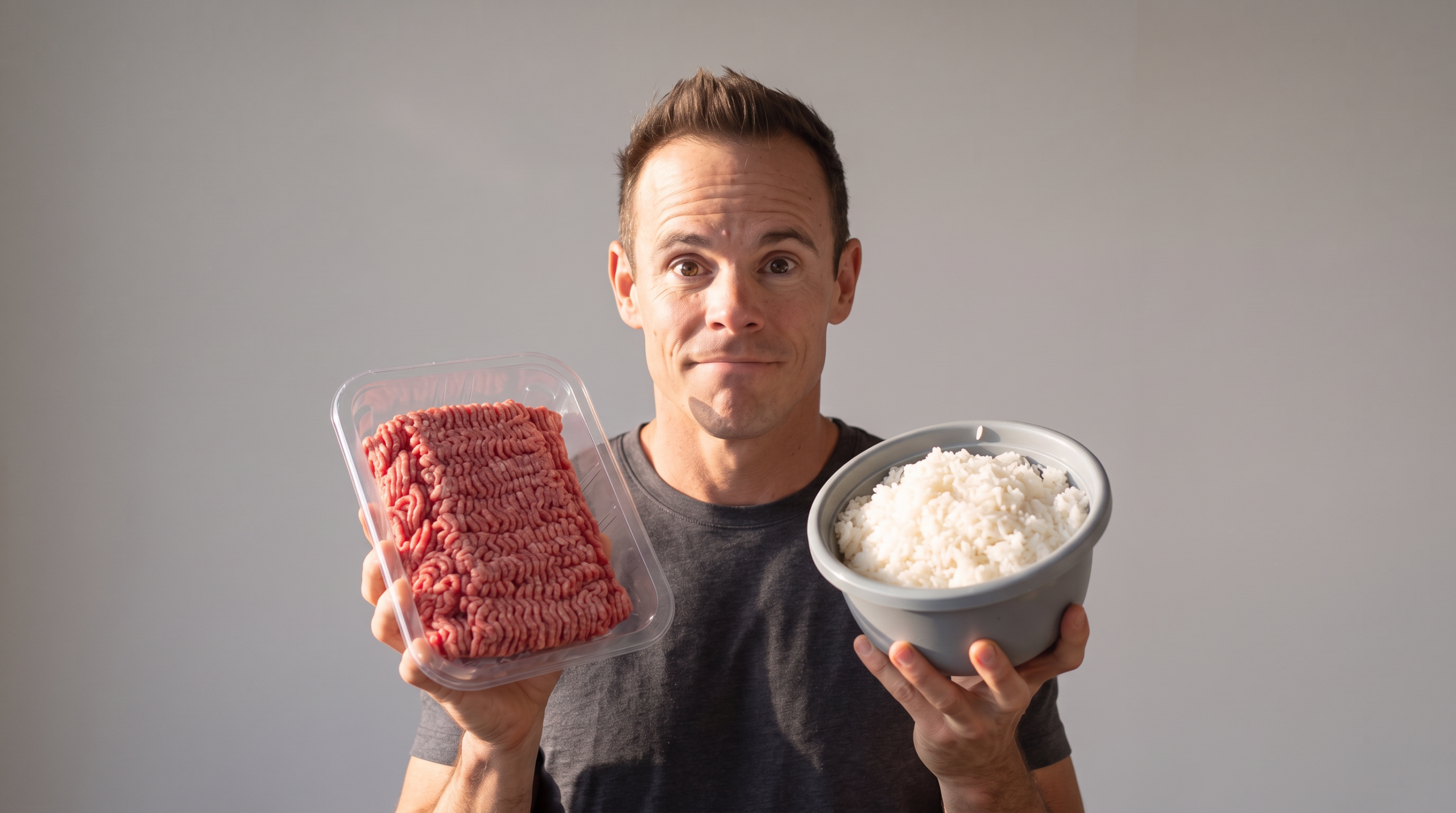
In a recent video, popular recipe creator and home cooking expert Ethan Chlebowski broke down exactly how to do that, sharing a system that moves from zero-planning emergency dinners to restaurant-quality bowls you’ll actually crave.
His approach isn’t about complicated techniques or exotic ingredients—it’s about understanding a few core principles that unlock endless combinations.
Jump to:
Level One: The No-Grocery-Run Bowl
Life gets chaotic. Some nights, it’s 6 p.m., you’ve done zero meal planning, and the fridge looks suspiciously empty.
This is where level one shines—a framework built entirely around shelf-stable and freezer ingredients that never leave you stranded.
Chlebowski’s system relies on four simple components: frozen ground beef, pantry rice (jasmine, basmati, whatever you prefer), store-bought sauces (buffalo, barbecue, burger sauce, salsa), and pickled items (pickle chips, jalapeños, banana peppers).
The idea here is simple, set this up once and you’re always going to be ready to make a satisfying meal without needing another trip to the store using these four components.
The Freezer Hack That Changes Everything
Most people freeze ground beef in one solid block, which takes forever to thaw and forces you to use the entire package at once.
Chlebowski’s method is brilliantly practical: place the beef in a gallon freezer bag, press out the air, flatten it into a thin layer, then use your hands or a utensil to create perforations that divide it into quarter-pound sections.
The result? Beef that freezes and thaws faster, and portions you can break off exactly as needed.
For his example bowl, he cooked frozen beef directly in a screaming-hot pan (at least 400°F), seasoned it simply with salt and pepper, and let it develop a proper crust before breaking it into pieces.
The meal came together in minutes: jasmine rice, well-browned ground beef, a quick burger sauce made from Kewpie mayo, mustard, ketchup, and smoked paprika, plus chopped sweet and spicy pickles for crunch and acidity.
Total calories: 688. Protein: 50 grams.
With four sauces and four pickle options, that’s already 16 possible combinations from ingredients that never spoil.
Level Two: The Stir-Fry Bowl
When beef prices climb or you simply want bolder flavors, level two introduces fresh aromatics and expands your protein options.
This framework still centers on ground meat over rice, but now you’re adding ingredients like garlic, ginger, shallots, or fresh chilies that cook directly with the meat.
You’ll also need a stir-fry sauce—teriyaki, Korean-inspired gochujang blends, Thai flavors, or even just soy sauce and sriracha—and garnishes like fresh basil, cilantro, scallions, sesame seeds, or pickled ginger.
Beef is great, but ground chicken and pork work exceptionally well for this bowl and are definitely cheaper at the grocery store.
A Korean-Inspired Example
For his level-two bowl, Chlebowski chose ground chicken, thinly sliced Thai bird’s eye chilies, and shallots as aromatics.
His stir-fry sauce combined gochujang, light soy sauce, dark soy sauce for color, and rice wine vinegar for acidity.
After browning the chicken and softening the aromatics in a wok, he poured in the sauce, let it sizzle for 30 seconds, then tossed everything until the gochujang and soy coated each piece of meat.
He served it over leftover rice from level one, drizzled with Kewpie mayo, scattered with scallions, and finished with pickled ginger—an underrated addition that cuts through richness with sweetness and acidity.
Total calories: 760. Protein: 44 grams.
This framework alone unlocks 300 combinations when you factor in three meats, four aromatics, five sauces, and five garnishes.
Level Three: The Better-Than-Takeout Bowl
Level three is where things get exciting. This is the framework Chlebowski uses most often at home, and it’s easy to see why.
Instead of plain rice, you’re making seasoned rice—yellow rice, cilantro lime, Mexican rice, dirty rice, coconut rice, the list goes on.
You’re also adding a spice mix to the ground meat (cumin and Aleppo pepper, za’atar, taco seasoning, barbecue rubs), fresh or roasted vegetables (chopped salads, coleslaw, fermented vegetables), and something creamy to tie it all together (Greek yogurt, sour cream, hummus, feta, ranch).
Essentially, we’re going for a complete dinner here turning our basic ground meat and rice into something that feels like a cohesive takeout dinner or maybe even a restaurant quality meal.
Spicy Cumin Lamb Bowl
For his level-three example, Chlebowski chose ground lamb—a protein he added to this tier for its rich, distinctive flavor.
He started with yellow rice, adding chicken bouillon, turmeric, oregano, and whole cloves directly to the rice cooker for an aromatic, golden base.
While that cooked, he made a quick cucumber-tomato salad: quartered cherry tomatoes, thinly sliced red onion, chopped parsley, and diced Persian cucumbers, all tossed with salt, sumac (a tangy, lemony spice), olive oil, and vinegar.
The lamb went into a scorching-hot cast iron pan, pressed down to maximize browning, then seasoned with salt, Aleppo pepper, and cumin seeds.
After letting it crisp undisturbed for four minutes, he broke it into pieces and let it continue browning, then blotted away excess fat with a paper towel.
Assembly was simple: yellow rice, spiced lamb, the fresh salad, a dollop of Greek yogurt, and crumbled sheep’s milk feta.
Total calories: 623. Protein: 40 grams.
With four seasoned rices, four meats, four spice mixes, four vegetable options, and five creamy toppings, this framework generates 1,280 possible combinations.
Why This System Works
What makes Chlebowski’s approach so effective isn’t complexity—it’s structure.
Each level introduces just a few new variables, making it easy to scale up your cooking without overwhelming yourself with ingredients or techniques.
Level one is foolproof and fast, perfect for busy weeknights. Level two adds freshness and bolder flavors with minimal effort. Level three feels like a complete, satisfying meal that rivals takeout.
The beauty is in the mix-and-match flexibility. Once you understand the framework, you can swap proteins based on what’s on sale, adjust spices to your taste, and use whatever vegetables are in season or already in your fridge.
You’re not following rigid recipes—you’re building a mental toolkit that adapts to your life, budget, and cravings.
Practical Tips for Success
A few key techniques make these bowls shine:
- High heat is essential. Whether you’re cooking frozen beef or ground lamb, a ripping-hot pan (400°F or higher) ensures proper browning and flavor development.
- Don’t skimp on salt. Ground meat needs seasoning—about 1% salt by weight is a good starting point.
- Let the meat sit. Resist the urge to stir constantly. Letting it develop a crust before breaking it apart adds texture and depth.
- Balance is everything. Each bowl should have contrasting elements: richness from the meat, acidity from pickles or vinegar, crunch from vegetables, and creaminess to tie it all together.
- Batch components ahead. Cook rice and meat in larger quantities, store them in the fridge, and reheat as needed. It transforms dinner into a five-minute assembly job.
Cost and Nutrition Considerations
One of the biggest advantages of this system is cost flexibility.
Ground chicken and pork are typically cheaper than beef, and buying larger packages of meat on sale—then freezing them using Chlebowski’s method—stretches your budget even further.
Rice is one of the most affordable staples worldwide, and pantry sauces, spices, and pickled items have long shelf lives, reducing food waste.
Nutritionally, these bowls are easy to customize. Using leaner meats like 93/7 ground beef or ground chicken keeps calories and saturated fat in check, while generous portions of vegetables add fiber, vitamins, and minerals.
Greek yogurt and feta contribute calcium and protein, and spices like turmeric, cumin, and sumac bring not only flavor but also antioxidants and anti-inflammatory compounds.
Each of Chlebowski’s example bowls clocked in between 620 and 760 calories with 40 to 50 grams of protein—macros that fit comfortably into most balanced diets.
Expanding the Framework
Once you’ve mastered the three levels, experimentation becomes intuitive.
Try swapping in ground turkey, bison, or even plant-based crumbles. Experiment with different rice varieties—brown rice, wild rice, cauliflower rice for a lower-carb option.
Explore global flavor profiles: Japanese furikake and pickled daikon, Greek tzatziki and roasted red peppers, Mexican pico de gallo and cotija cheese, Indian raita and spiced chickpeas.
The framework doesn’t just prevent boredom—it turns meal planning into a creative outlet.
Final Thoughts
Ground meat and rice doesn’t have to mean monotony.
With a little structure and a willingness to mix and match, this simple combination becomes a foundation for thousands of meals—each one different, satisfying, and surprisingly easy to pull together.
Whether you’re scrambling to feed yourself on a weeknight, trying to save money at the grocery store, or craving something that feels restaurant-quality, these three frameworks have you covered.
This to me is just hitting the spot. It’s nice and spicy from all those green chilies in there, but then balanced out by that little bit of QP mayo you add towards the end.
The real magic? Once you internalize the system, you stop needing recipes altogether.