Heart attacks are the leading cause of death worldwide. Yet, the single most lethal factor that contributes to these deaths might not be high cholesterol, obesity, or even insulin resistance — it’s fat surrounding your heart.
According to Dr. Sean O’Mara, a physician and researcher who specializes in visceral and heart fat, this rarely discussed fat is “the absolute worst fat, gram for gram, that you can have in your body.”
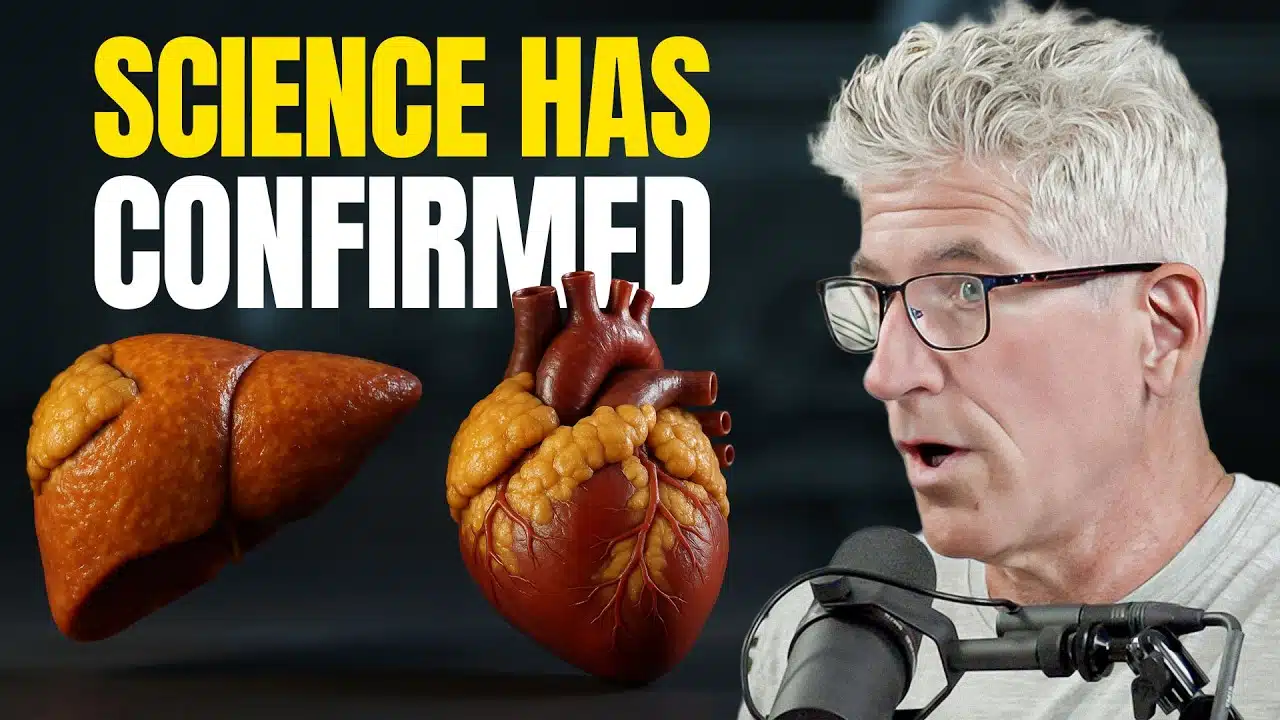
In a conversation with health educator Thomas DeLauer, O’Mara reveals a truth so critical, it could reshape the way we track and treat chronic disease.
And it starts with understanding structural disease — the disease you can literally see on an MRI — not just blood test numbers that bounce around.
Jump to:
- Why Tracking Insulin Resistance Might Not Be Enough
- What Is Heart Fat, and Why Is It So Dangerous?
- Visceral Fat, Heart Fat, and Muscle Fat: The Deadly Trio
- Facial Puffiness Might Be a Clue
- So Why Doesn’t Everyone Know About This?
- Can Lab Tests Like CRP Predict Heart Fat?
- How to Eliminate Heart Fat: O’Mara’s Protocol
- Why This Matters More Than Cholesterol
- Final Thoughts: The Two Biggest Takeaways
Why Tracking Insulin Resistance Might Not Be Enough
Insulin resistance has long been considered a top biomarker for chronic disease, especially in metabolic health. Dr. Michael Diamonds, founder of Sculp by Science and a medical doctor himself, reinforces this in a recent video. He notes that nearly one in three Americans suffer from insulin resistance, making weight loss and blood sugar control increasingly difficult.
But O’Mara argues that insulin resistance, like blood sugar and cholesterol levels, is biodynamic — easily influenced by exercise, meals, stress, and other short-term variables.
“I could raise insulin with a doughnut… or with pull-ups. One’s bad, one’s good. So how can that be a reliable marker?” says O’Mara.
Instead of chasing fluctuating lab numbers, O’Mara encourages people to focus on structural disease, especially visceral fat around the organs — and more specifically, epicardial fat, the fat that wraps around the heart itself.
What Is Heart Fat, and Why Is It So Dangerous?
Heart fat, also known as epicardial adipose tissue, is a specific type of visceral fat that grows directly on and around the heart muscle. It’s inflammatory by nature and physically compresses and constricts the heart. On an MRI, this fat shows up as a thick, white layer suffocating the dark muscle of the heart.
O’Mara gives an example: two MRIs of men in their 50s. One had a significant pad of heart fat and suffered a massive heart attack before even stepping into the gym. The other, who had virtually no fat around the heart, was O’Mara himself — a man who has committed his research and lifestyle to eliminating this type of fat.
“If you don’t have heart fat, you won’t have a heart attack. It’s impossible,” he declares.
O’Mara even asked AI to find any example of a person who had a heart attack without elevated heart fat — the answer was always no.
Visceral Fat, Heart Fat, and Muscle Fat: The Deadly Trio
It turns out, heart fat doesn’t exist in isolation. It’s often linked with two other forms of structural fat:
- Visceral fat: The fat deep inside your abdomen, surrounding your organs.
- Intramuscular fat: The fat marbling your muscles — like a ribeye steak, but in human legs.
In an MRI example shown by O’Mara, a person with a thick pad of visceral abdominal fat also had dense fat surrounding their heart. This isn’t a coincidence. The more visceral fat you have, the more likely you are to accumulate heart fat.
Fat Around the Heart Comes First
Another chilling revelation: Heart fat often develops before fatty liver disease — which is typically considered one of the earliest signs of metabolic dysfunction. This means most people could be harboring a life-threatening layer of inflammation on their heart without even knowing it.
Facial Puffiness Might Be a Clue
While MRI is the gold standard for detecting heart fat, O’Mara points out that facial inflammation might offer a visual cue. Puffy cheeks, a bloated face, and loss of facial definition may indicate systemic inflammation and elevated visceral fat.
In one case, a former Navy Top Gun pilot showed dramatic improvement in facial structure after reducing his visceral and heart fat — going from inflamed and dull to vibrant and expressive within months.
So Why Doesn’t Everyone Know About This?
That’s the question O’Mara wants everyone asking.
Part of the reason is that cardiology still relies heavily on percent blockages and lab values. If your coronary artery isn’t blocked by more than 60%, you’re often told “you’re fine.” But O’Mara explains that heart attacks don’t necessarily occur from a 90% blockage. They happen when inflammatory triggers cause platelet aggregation and clotting — often right where heart fat is doing its damage.
And stents? They don’t prevent new plaque from forming. In fact, the only real solution is reducing the heart fat itself.
Can Lab Tests Like CRP Predict Heart Fat?
High-sensitivity C-reactive protein (hs-CRP) is a common blood marker for inflammation. But like insulin, it’s also influenced by temporary stressors — a cold, poor sleep, a workout — and doesn’t always correlate with heart fat levels.
O’Mara emphasizes the risk of false reassurance from low CRP results. Even if your levels look normal, that doesn’t mean you’re free of structural disease.
How to Eliminate Heart Fat: O’Mara’s Protocol
Despite the grim reality, there’s good news. Heart fat is reversible — and often the first fat to go when people improve their lifestyle.
Dr. O’Mara recommends a multi-pronged approach:
1. Eliminate Processed Foods
Stick to single-ingredient whole foods. If it’s made in a factory, it’s out.
2. Reduce Carbohydrates
While not advocating extreme keto for everyone, he advises low refined carb intake to reduce inflammation and blood sugar swings.
3. Prioritize Protein and Fermented Foods
Protein helps preserve lean mass while fermented foods improve gut health and allow better digestion of high-protein meals.
4. Incorporate Intense, Ancestral Exercise
Think short, intense bouts of activity mimicking a hunt, rather than long cardio sessions.
5. Practice Variable Fasting and Feasting
Embrace randomness — just like our ancestors. Don’t eat at the same time every day. Fast sometimes for 16 hours, other times for 24, then feast. Avoid fixed schedules that your body can adapt to.
“Nature loves variability,” O’Mara says. “That’s what optimized Paleolithic man. Not structure.”
6. Manage Stress and Get Quality Sleep
O’Mara and other experts like Dr. Michael Diamonds agree that stress and poor sleep drive inflammation and insulin resistance — both of which fuel heart fat.
Why This Matters More Than Cholesterol
The focus on cholesterol may be distracting us from the real killer. According to O’Mara, the entire healthcare system is overlooking the inflammatory role of epicardial fat. Even heart surgeons, who spend years cutting through it, rarely question its role.
“No one’s talking about it. But this is what we need to do — get rid of that heart fat,” he says.
Final Thoughts: The Two Biggest Takeaways
Dr. O’Mara leaves his audience with two urgent messages:
- Heart fat is the most dangerous fat in the body and directly causes heart attacks.
- Aging isn’t the problem — disease is.
People don’t fall apart because they’re old; they fall apart because of the disease, most of it preventable.
If there’s one thing to track for your health starting today, let it be your structural disease — the fat you can actually see, not just the numbers on a lab report. And the best place to start? Around your heart.
Want to know if you have heart fat? If you’ve had an abdominal MRI or CT scan in the past, request the images — not just the report — and check for visible fat around the heart. Or speak with a qualified practitioner to get one done.
Your life could depend on it.