Most gym-goers fall into a comfortable routine, cycling through familiar exercises week after week.
While consistency matters, this approach can leave significant strength and mobility gains untapped.
Fitness experts are now highlighting five underutilized exercises that build functional strength, improve joint health, and address movement patterns most training programs completely ignore.
These aren’t gimmicks—they’re time-tested movements backed by science that can transform how your body moves and feels.
Jump to:
The Dead Hang: Simple Yet Transformative
Dead hangs represent one of fitness training’s most underrated exercises. This straightforward movement improves shoulder health, builds serious grip endurance, strengthens core stability, and even decompresses the spine.
Most people can barely hold a dead hang for 30 seconds on their first attempt. Within just a few weeks of consistent practice, that number typically doubles or triples.
The exercise works by opening up shoulder joints, allowing rotator cuff tendons and muscles to move more freely. This can provide significant relief from shoulder pain and stiffness.
For spinal decompression benefits—especially valuable after heavy squats or deadlifts—the technique requires starting with a braced core, then gradually allowing hips to sink down into a full stretch.
Proper Dead Hang Technique
- Grip the bar just outside shoulder width
- Start with a looser grip to prevent forearm fatigue
- Tighten grip only when slipping begins
- Keep legs straight, feet together, toes pointed down
- Maintain consistent breathing—never hold your breath
For those unable to dead hang with body weight initially, resistance bands or assisted pull-up machines provide excellent progressions. Starting with three sets, performed two or three times weekly, delivers noticeable improvements in grip strength and shoulder function within a month.
Duck Walks: The Exercise That Looks Silly But Delivers
Despite appearances, duck walks build exceptional leg strength while improving knee health and developing hip mobility most adults gradually lose.
High school and college athletes incorporate duck walks regularly for good reason. The movement keeps legs under constant tension with no rest period, forcing quads, glutes, and calves to work continuously.
This creates serious muscular endurance while strengthening stabilizer muscles around knees—addressing a common source of knee pain that stems from weak supporting musculature.
The technique requires squatting as low as comfortable while keeping heels flat, chest up, and core engaged. From that low squat position, take small forward steps while maintaining consistent hip height throughout.
Critical point: Don’t stand up between steps. That defeats the entire purpose of continuous tension.
Start with 20-30 feet (or 10 feet forward and backward in limited space), rest one minute, then repeat. Two or three sets will leave legs burning during initial attempts.
Within weeks of consistent practice, regular squats feel easier, knees gain stability, and everyday activities like stair climbing become effortless.
Cossack Squats: Eastern European Mobility Secret
Popularized by Russian and Eastern European athletes, Cossack squats address two widespread problems: tight hips and weak adductors (inner thigh muscles).
The movement pattern involves standing with feet wider than shoulder width, then shifting weight to one leg while sitting back into a deep squat on that side. The opposite leg remains straight with toes pointing toward the ceiling.
At the bottom position, practitioners should feel a deep inner thigh stretch on the straight leg side and strong glute and quad contraction on the squatting side.
Begin with body weight only, focusing entirely on movement quality. Once 10 reps per side becomes manageable with good form, add weight via dumbbell or kettlebell held at chest level.
The initial awkwardness stems from most people rarely moving laterally. Persistence pays off with incredible mobility improvements, including better range of motion in squats and deadlifts, plus genuine inner thigh strength that enhances knee stability and prevents groin strains.
Performing these twice weekly—three sets of 8-10 reps per side—can make hips feel a decade younger within just one month.
Reverse Nordic Curls: Quad Strength Reimagined
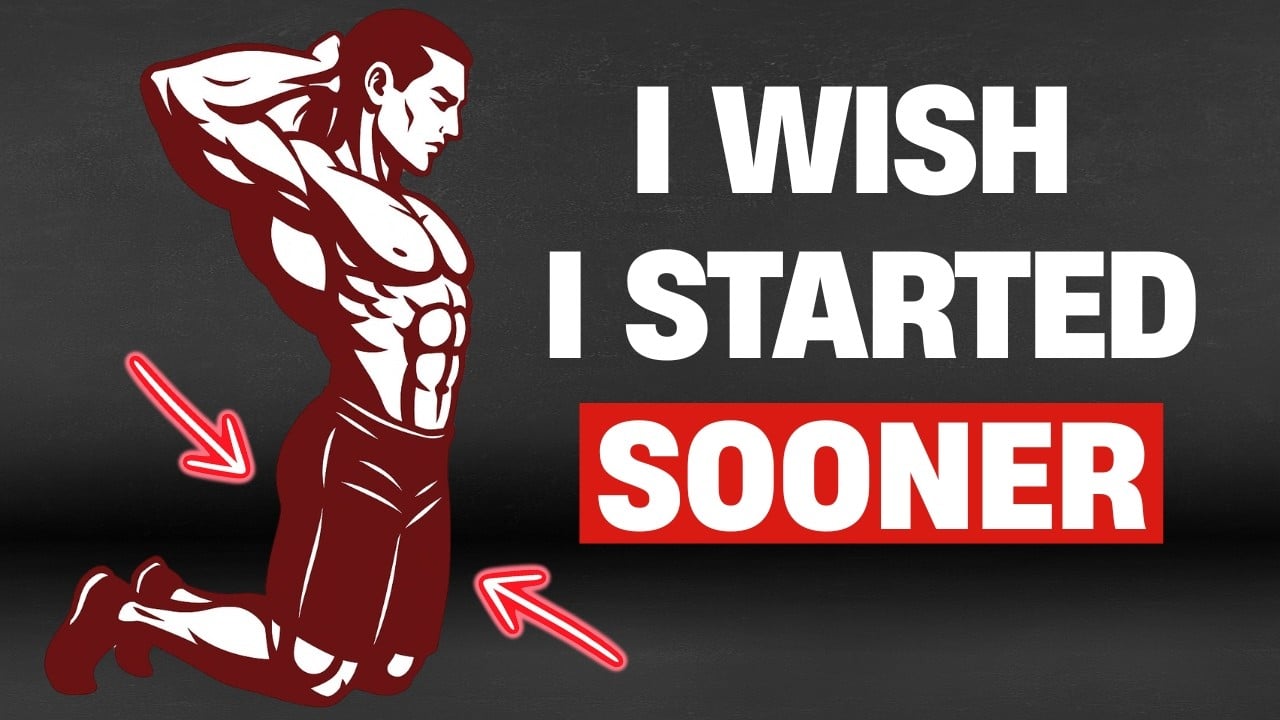
While traditional Nordic curls target hamstrings through forward lowering from a kneeling position, reverse Nordics work quads by leaning backward—and they’re brutally effective.
Research shows strengthening muscles through lengthened positions proves incredibly effective for growth. Reverse Nordics accomplish exactly that while simultaneously strengthening knee tendons, reducing pain, and lowering injury risk.
A lot of people develop knee problems because their quads are weak in that stretch position. And reverse Nordics fix that weakness.
Execution requires kneeling on a padded surface with knees hip-width apart, maintaining a straight line from knees to head. Slowly lean backward as one unit—without bending at hips—lowering as far as controllable before using quads to pull back up.
Most people initially lean back only a few inches. That’s completely normal. As quad strength develops over time, range increases dramatically. Eventually, some athletes can touch their back to the ground and pull themselves back up—an impressive display of quad power.
Begin with two sets of five reps, gradually adding volume. These make quads stronger, knees more stable, and legs more injury-resistant while being particularly beneficial for those experiencing knee pain.
Shinbox Switches: The Movement Almost Nobody Does
Shinbox switches look unusual but rank among the best movements for hip mobility, core strength, and body control.
Originating from martial arts and gymnastics training, this exercise forces hips through internal and external rotation—movements typical training programs never address. This builds hip health while developing rotational core strength that protects the spine.
Start seated with both knees bent at 90 degrees. Front shin should sit roughly perpendicular to the body, back shin roughly parallel, with both hips on or near the ground—the “shinbox position.”
The challenge? Rotating the entire body to switch which leg sits in front. Lift hips slightly, sweep legs around, and land in shinbox position on the opposite side.
Expect extreme awkwardness initially. Most people possess such tight hips they struggle just getting into shinbox position, let alone switching sides.
Beginner approach: Simply sit in shinbox position on each side for 20-30 seconds to improve hip mobility. Once comfortable, practice switching movements slowly, using hands for ground support as needed.
Three sets of 10 switches per side, twice weekly, delivers dramatic hip mobility improvements within one month. Athletes notice better rotation in golf swings or tennis strokes, lower backs feel better because hips move properly instead of forcing spinal compensation, and overall movement becomes more fluid.
Strategic Programming For Maximum Results
These five exercises target precisely what typical gym programs neglect: grip and shoulder health, knee strength and stability, hip mobility and inner thigh strength, quad strength in lengthened positions, plus hip rotation and core stability.
Smart implementation means spreading exercises throughout weekly training rather than cramming all five into single workouts:
- Dead hangs: End of upper body days (3 sets, max time)
- Duck walks: Beginning of leg day warm-up (2-3 sets, 20-30 feet)
- Cossack squats: During leg day (3 sets, 8-10 reps per side)
- Reverse Nordic curls: After main quad work (2-3 sets, 5-8 reps)
- Shinbox switches: Workout cool-down (3 sets, 10 switches per side)
The biggest mistake? Dismissing unusual-looking exercises before trying them. Effectiveness isn’t determined by how normal movements appear—it’s measured by how well they train target muscles and movement patterns while minimizing injury risk.
Another common error involves progressing too aggressively. These movements require practice for proper technique and time for physiological adaptation. Starting conservatively with perfect form, then gradually progressing over weeks and months, delivers superior long-term results.
The Bottom Line
Six months of consistent practice with these exercises can transform physical capabilities: healthy shoulders from dead hangs, stable knees from duck walks, mobile hips from Cossack squats, strong quads from reverse Nordic curls, and fluid rotation from shinbox switches.
But results require action, not just interest.
Pick two or three movements, incorporate them into upcoming workouts, and evaluate how they feel. Within weeks, noticeable differences emerge as the body responds to new movement patterns, stubborn limitations improve, and training becomes more engaging through added variety and challenge.
These movements may look unconventional, but the results they deliver are undeniable.