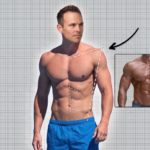
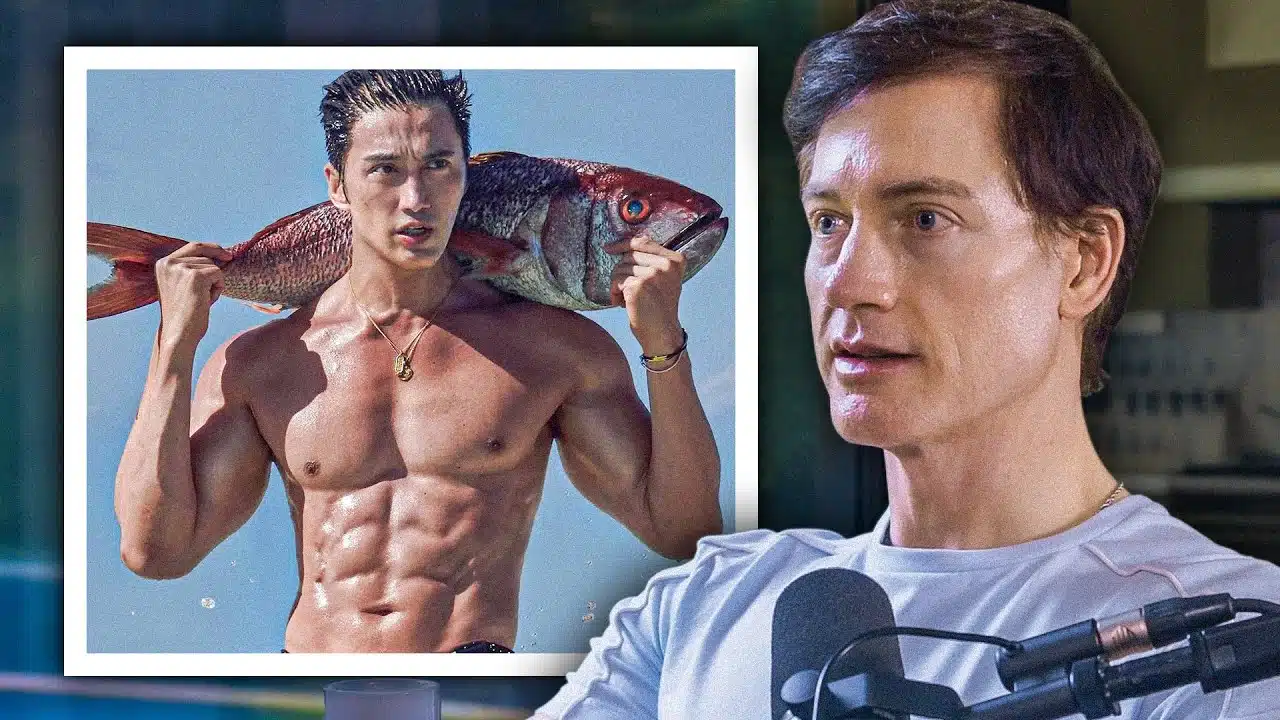
Bryan Johnson has spent millions perfecting his anti-aging protocol, yet a 58-year-old fashion model who claims he just “eats eggs and exercises” looks decades younger without even trying.
In a recent conversation, the Blueprint founder wrestled with one of longevity science’s most confounding puzzles: why some people seem to defy aging effortlessly while others invest massive resources with seemingly modest returns.
The discussion reveals a critical gap between what we see when we look at someone and what’s actually happening inside their body.
And it raises an uncomfortable question about whether expensive anti-aging interventions can compete with winning the genetic lottery.
Jump to:
The $2 Million Question Nobody Can Answer
Johnson openly acknowledges why people struggle to understand his Blueprint protocol’s value. When they see someone who looks 35 at nearly 60 years old—without spending millions on interventions—confusion naturally follows.
I don’t fault people for being confused on this whole thing. They look at that person and then they see the headline this guy spending $2 million a year and so they conclude well this guy should look like that guy in one year’s time.
The tech entrepreneur admits he completely understands why critics “seek to dunk” on him. Without understanding biological aging principles, current rejuvenation technology capabilities, or realistic intervention outcomes, skepticism makes perfect sense.
But even Johnson himself can’t definitively answer how much of exceptional aging comes down to genetics versus lifestyle optimization.
When Your Markers Are Already Maxed Out
Johnson revealed a fascinating limitation of his own protocol: many of his aging markers have already been maximized. This creates an unexpected problem when testing advanced therapies.
We’ve maxed out many of my markers and so even when we do some of these advanced therapies is there still room. In mice is it just basically a net neutral.
The question becomes: where’s the starting point? If mouse studies show 30% life extension from certain interventions, but someone has already optimized through lifestyle, do the benefits stack?
Nobody knows.
This uncertainty extends beyond Johnson’s personal experiment. Science hasn’t yet determined how various anti-aging interventions compound—or whether there’s a ceiling effect where additional efforts yield diminishing returns.
The Appearance Paradox
Looking young correlates with feeling young, which influences psychological well-being, relationship quality, and overall life satisfaction. The connection between appearance and internal health seems obvious.
Yet remarkable disconnects exist between external appearance and internal organ health.
Some individuals maintain youthful skin and facial features despite blood work revealing metabolic dysfunction, cardiovascular risk factors, or organ aging. Others show visible aging signs while maintaining exceptional internal health markers.
Johnson finds this discordance fascinating and frustrating. The model who looks 35 at 58 presents an ideal test case.
It would be cool to see him go through a blueprint style measurement profile. What do his insides look like? Is it as pristine as what his appearance is at that age?
What Eggs and Exercise Actually Mean
When asked about his age-defying appearance, the 58-year-old model’s answer was almost comically simple: he eats eggs and exercises.
Johnson’s response dripped with playful sarcasm about the non-answer.
Oh wow amazing thanks for the insight.
But the superficial explanation highlights a deeper issue. People who age exceptionally well without apparent effort rarely understand why they’re outliers. They attribute success to simple habits that millions of others follow without comparable results.
The reality likely involves:
- Genetic advantages in cellular repair mechanisms
- Favorable epigenetic expression patterns throughout life
- Accumulated lifestyle factors beyond what they consciously recognize
- Lower cumulative stress exposure affecting biological aging
- Protective metabolic characteristics present from birth
The Power Law of Aging
Johnson raised an intriguing question about “power laws” that might yield exceptional aging results in certain individuals. Not all interventions—or genetic advantages—contribute equally to outcomes.
Some factors may provide disproportionate benefits. Identifying which variables matter most remains elusive, especially when someone isn’t systematically measuring their biology.
The model’s consistent appearance across decades proves biology can maintain youthfulness far longer than average. That possibility fuels Johnson’s optimism.
To me that’s really encouraging because biology is capable of the things we’re asking it to be and we’re just trying to sort it out.
Why Cosmetic Surgery Confuses Everything
Surgical interventions create another layer of complexity when assessing someone’s true biological age. Facelifts, fillers, and cosmetic procedures can mask—or sometimes accelerate—visible aging signs.
Johnson acknowledged this challenge but emphasized where cosmetic intervention falls short.
It’s very hard to do cosmetic surgery on blood work and organs and that’s what we’ve tried to do.
Internal health markers reveal truth that external appearance can obscure. You can surgically alter facial features, but you cannot fake organ function, inflammatory markers, or metabolic health.
Your Oldest Marker Determines Your Age
Johnson articulated a principle central to comprehensive aging assessment: overall biological age reflects the oldest, most damaged system in your body.
You’re as old as your oldest marker.
This means someone could have exceptional cardiovascular health, optimal metabolic function, and youthful skin—but accelerated brain aging or liver dysfunction would still increase mortality risk and limit healthspan.
Comprehensive measurement across every organ system becomes essential for understanding true age and death risk. Spot-checking a few biomarkers provides incomplete information.
This systemic approach explains why Blueprint involves extensive testing rather than focusing on appearance or isolated health metrics.
The Education Challenge
Johnson openly admitted difficulty communicating Blueprint’s value proposition to general audiences. The nuances of biological aging, intervention stacking effects, and realistic outcome expectations don’t translate into simple headlines.
When people see a naturally youthful 58-year-old next to headlines about millions spent on anti-aging, they draw obvious comparisons. Without understanding baseline differences, intervention mechanisms, or measurement sophistication, skepticism follows logically.
The gap between expert knowledge and public understanding creates space for misinterpretation. Johnson doesn’t blame critics—he recognizes the legitimate confusion his approach generates without proper context.
Perhaps the model who looks decades younger than his chronological age should leverage his unique status. Comprehensive biological assessment could reveal whether his external appearance reflects internal reality—or whether he’s an outlier in appearance but not necessarily organ health.
That data would prove far more valuable than attributing exceptional aging to eggs and exercise.