Hormones control far more than most people realize—not just muscle growth or fat loss, but energy, mental clarity, mood, and even how well someone shows up for the people they love.
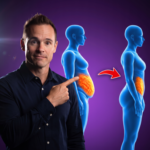
That’s the core message from fitness coach and content creator who goes by the handle “Anabolic Priming,” who recently delivered a comprehensive breakdown of the hormone-first approach to body transformation.
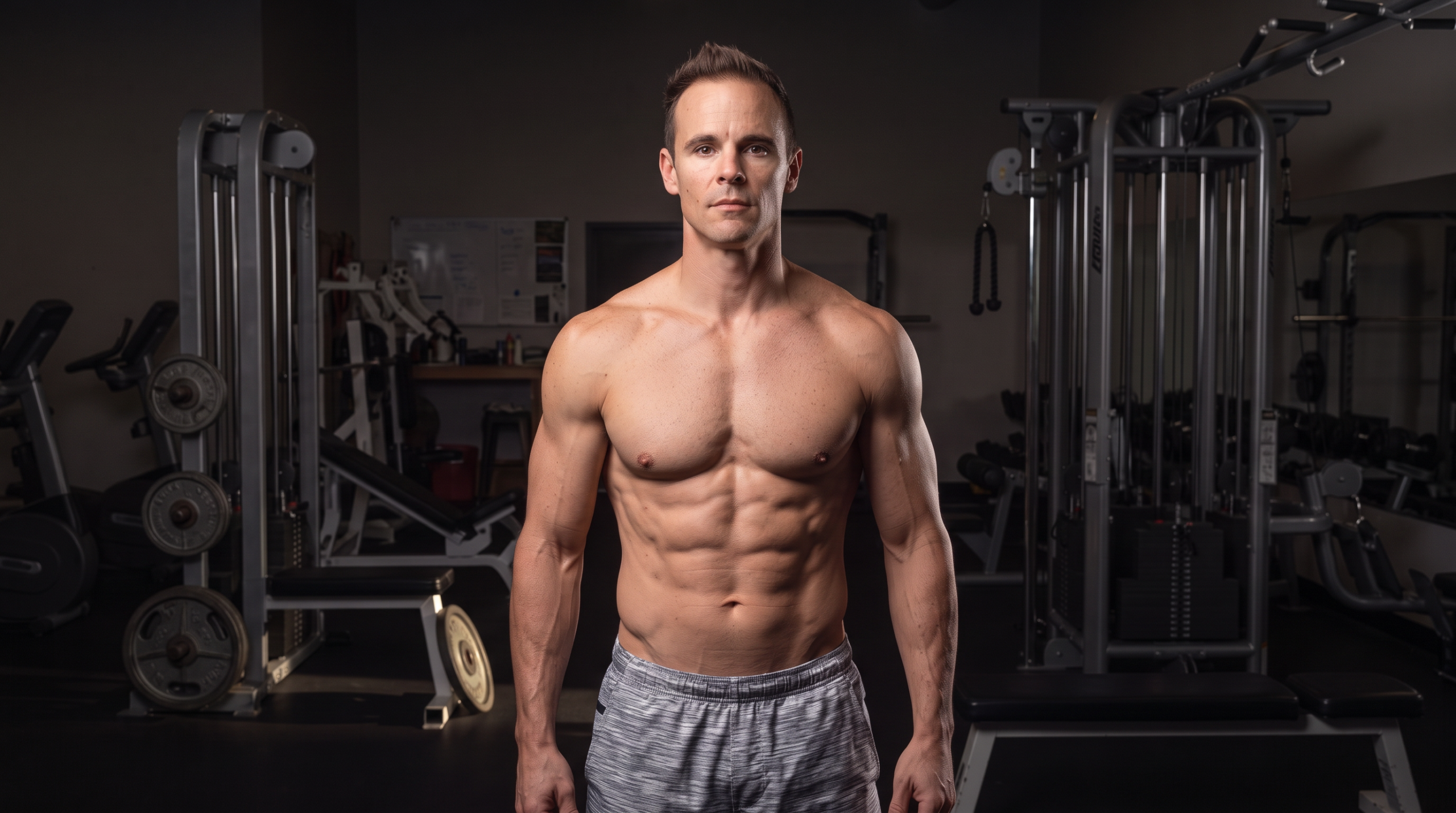
Instead of grinding through seven gym sessions a week and slashing calories to unsustainable levels, he argues for a smarter strategy: optimizing the body’s internal systems so they do the heavy lifting.
“You should try to move less and eat more,” he said, challenging the conventional wisdom of constant cardio and calorie restriction.
Jump to:
- The Problem With the External Approach
- Metabolism Isn’t Just About Movement
- The Thyroid: Master of Metabolism
- Three Days a Week Is Enough
- The Stress Hormone Problem
- The Reproductive Hormones: Building Blocks of Vitality
- The Hormone-First Lifestyle
- Testosterone Decline: A Societal Issue
- Beyond the Mirror: Mental Clarity and Presence
- The Middle Path: Aesthetics and Vitality
- Practical Takeaways
- A Framework, Not a Formula
- Sources
The Problem With the External Approach
Most people attack fitness from the outside in—more workouts, fewer calories, relentless willpower.
But this strategy, he explains, treats the body like a machine that just needs to be pushed harder rather than tuned properly.

If you want something simple that actually works, this is one of the most effective tools I’ve used to build strength, conditioning, and endurance without needing a full gym setup.
- Full-body training with one weight using swings, squats, and presses
- Solid cast iron build that feels stable and lasts for years
- Comfortable grip that makes high-rep workouts easier to handle
A lot of people that get into this health and fitness game, they’re going about it the wrong way. They’re trying to do hard work and not smart and hard work.
The analogy he offers is financial: trying to save your way to wealth instead of increasing income.
Working longer hours at a low-paying job won’t build prosperity as effectively as finding better-paying work with less time investment.
Similarly, excessive exercise and extreme calorie restriction may produce short-term results, but they’re unsustainable and often backfire by tanking metabolism and hormone production.
Metabolism Isn’t Just About Movement
One of his central points: calorie burn doesn’t require constant exercise.
You can burn more calories regardless of exercise. Let me say that again. You can burn more calories regardless of exercise and your energy expenditure.
He describes clients who felt chained to 10,000 daily steps, terrified that missing their target would derail progress.
But during one winter in upstate New York, he gained 15 pounds of muscle while getting leaner—without the walking, without the treadmill desk, and with only three weight training sessions per week.
If you want something simple that actually works, this is one of the most effective tools I’ve used to build strength, conditioning, and endurance without needing a full gym setup.
- Full-body training with one weight using swings, squats, and presses
- Solid cast iron build that feels stable and lasts for years
- Comfortable grip that makes high-rep workouts easier to handle
The secret? Thyroid health.
When thyroid hormones are functioning optimally, the body’s resting metabolic rate increases naturally, burning more energy even at rest.
The Thyroid: Master of Metabolism
Thyroid hormones—particularly T3—regulate metabolism, mood, focus, and energy levels.
Rather than forcing a calorie deficit by slashing food intake, he advocates raising metabolic output by supporting thyroid function through nutrition, sleep, and strategic training.
“If your thyroid is firing hotter and hotter and hotter, then you’re going to burn more calories regardless of the exercise,” he explained.
This approach creates what he calls metabolic “insurance”—a buffer that allows for dietary flexibility without derailing progress.
If you want something simple that actually works, this is one of the most effective tools I’ve used to build strength, conditioning, and endurance without needing a full gym setup.
- Full-body training with one weight using swings, squats, and presses
- Solid cast iron build that feels stable and lasts for years
- Comfortable grip that makes high-rep workouts easier to handle
Three Days a Week Is Enough
His training philosophy centers on three to four days per week of heavy lifting, which he says is optimal for testosterone production and recovery.
Research does support that resistance training boosts testosterone, particularly when it involves compound movements and adequate recovery. However, the claim that three to four days is uniquely optimal for testosterone is less clear-cut. A 2020 review in Sports Medicine found that resistance training frequency can vary based on individual goals, and more frequent training can be beneficial if recovery is managed well. The key is balancing training stress with recovery—not a rigid three-day rule.
He trains Monday, Wednesday, and Friday, leaving weekends free and ensuring 48 hours between sessions for nervous system recovery.
Your muscles recover over 24 hours, but your local nerves again going throughout your entire body are what’s really moving everything and those need 48 hours to recover.
This schedule also makes consistency easier, a critical factor for long-term success.
The Stress Hormone Problem
Modern life is a cortisol factory: demanding jobs, strained relationships, overtraining, poor sleep, and constant digital stimulation.
Cortisol itself isn’t the enemy—it’s essential for waking up, maintaining energy, and handling acute stress.
If you want something simple that actually works, this is one of the most effective tools I’ve used to build strength, conditioning, and endurance without needing a full gym setup.
- Full-body training with one weight using swings, squats, and presses
- Solid cast iron build that feels stable and lasts for years
- Comfortable grip that makes high-rep workouts easier to handle
But chronic elevation is destructive.
He references a TED talk describing how the body’s stress response is designed for brief, life-threatening scenarios—like encountering a bear.
When that same response fires daily, it wreaks havoc on hormones, metabolism, and mental health.
Estrogen and Prolactin: The Hidden Stressors
While not classically defined as a stress hormone, estrogen acts as one in his framework because it antagonizes thyroid function and rises in response to chronic stress.
Men today face unprecedented estrogen exposure from environmental sources, processed foods, and lifestyle factors.
Prolactin is another key player.
If you want something simple that actually works, this is one of the most effective tools I’ve used to build strength, conditioning, and endurance without needing a full gym setup.
- Full-body training with one weight using swings, squats, and presses
- Solid cast iron build that feels stable and lasts for years
- Comfortable grip that makes high-rep workouts easier to handle
It spikes after ejaculation, causing the familiar post-sex lethargy, and has an inverse relationship with dopamine.
Chronically elevated prolactin saps drive, focus, and motivation.
When the prolactin spikes or the prolactin is elevated, you’re not going to have that same drive, that same pizzazz that you usually have.
The Reproductive Hormones: Building Blocks of Vitality
On the flip side are the anabolic, or reproductive, hormones—testosterone, DHT (dihydrotestosterone), and dopamine.
Testosterone and DHT: The Dynamic Duo
Testosterone gets most of the attention, but DHT is the true male hormone, responsible for facial hair, deep voice, height, and assertive behavior.
He likens testosterone to a “yappy Chihuahua” and DHT to a “gentle giant Great Dane”—powerful, grounded, stable.
Think of DHT, which is far more powerful than testosterone, by the way. It’s the true male hormone, which is why you have facial hair. It’s why your voice is as deep as it is, why you’re as tall as you are.
DHT often gets vilified for its role in male pattern baldness, but suppressing it—through medications like finasteride—can have feminizing effects and dampen vitality.
If you want something simple that actually works, this is one of the most effective tools I’ve used to build strength, conditioning, and endurance without needing a full gym setup.
- Full-body training with one weight using swings, squats, and presses
- Solid cast iron build that feels stable and lasts for years
- Comfortable grip that makes high-rep workouts easier to handle
While DHT is indeed more potent than testosterone and plays a role in male characteristics, the characterization of DHT as inherently superior is oversimplified. Elevated DHT is linked to prostate issues and hair loss, and DHT-suppressing drugs like finasteride can cause side effects, but large studies show most men tolerate them well. A 2019 review in JAMA Dermatology found that sexual side effects from finasteride occur in a small minority, and the notion that DHT suppression universally “feminizes” men lacks robust clinical support.
Dopamine: The Misunderstood Motivator
Dopamine drives motivation, focus, and pleasure.
It’s often blamed for modern addictions—social media, junk food, pornography—but the real issue is dopamine dysregulation, not dopamine itself.
Short-term dopamine spikes from these sources lower baseline dopamine over time, leaving people fatigued and unmotivated.
Restoring healthy dopamine levels supports testosterone production and overall hormonal balance.
The Hormone-First Lifestyle
So how does one actually implement a hormone-first approach?
If you want something simple that actually works, this is one of the most effective tools I’ve used to build strength, conditioning, and endurance without needing a full gym setup.
- Full-body training with one weight using swings, squats, and presses
- Solid cast iron build that feels stable and lasts for years
- Comfortable grip that makes high-rep workouts easier to handle
His prescription is straightforward:
- Lift heavy three days a week with compound movements and long rest periods (3–4 minutes between sets)
- Eat an animal-based, nutrient-dense diet—meat, eggs, fruit, raw or A2 dairy, and high-quality fats
- Prioritize sleep in a cold, pitch-black room with a consistent bedtime
- Minimize chronic stressors—overtraining, toxic relationships, unfulfilling work
- Get sunlight exposure for vitamin D and circadian rhythm regulation
- Supplement strategically—magnesium, vitamin D3, bee pollen, royal jelly, zinc
- Allow flexibility—eat the birthday cake at the party, just not a sleeve of Oreos alone at 2 p.m. on a Tuesday
I do all this stuff so that I can leverage my health, leverage my hormones to get more out of life. That way, I’ve got more damage control and it sets me up almost like with an insurance policy.
Testosterone Decline: A Societal Issue
He briefly touches on a broader concern: the precipitous drop in male testosterone over the past three decades.
Studies have shown that an 18-year-old man today has testosterone levels comparable to a 70-year-old man from 60 years ago.
This decline has implications not just for individual health, but for culture, leadership, and society at large.
The claim that today’s 18-year-olds have testosterone levels equal to 70-year-olds from 60 years ago is widely repeated but not well-supported by direct comparisons across those timeframes. A 2007 study in the Journal of Clinical Endocrinology & Metabolism did find a population-level decline in U.S. men’s testosterone from the 1980s to early 2000s, but the magnitude and causes remain debated. Factors like obesity, sedentary behavior, and environmental exposures likely play roles, but the “70-year-old” comparison is more rhetorical than scientific.
Beyond the Mirror: Mental Clarity and Presence
For him, the ultimate goal isn’t just aesthetics—it’s mental clarity and emotional resilience.
If you want something simple that actually works, this is one of the most effective tools I’ve used to build strength, conditioning, and endurance without needing a full gym setup.
- Full-body training with one weight using swings, squats, and presses
- Solid cast iron build that feels stable and lasts for years
- Comfortable grip that makes high-rep workouts easier to handle
He shares a deeply personal story about losing his uncle suddenly to a stroke at age 51.
Years earlier, when his own health was poor, such a tragedy would have devastated him beyond recovery.
But because his hormones and health were optimized, he was able to absorb the blow, support his family, and be present in his uncle’s final moments.
I was able to absorb the impact of the gravity of that situation 10 times better and be there for my family who were feeling the pain as well. I can’t even put it into words like how important it was to me that I was able to be there for my family.
That experience crystallized his philosophy: optimizing health isn’t vanity—it’s preparation for life’s hardest moments.
The Middle Path: Aesthetics and Vitality
He positions his approach as a middle path between two extremes.
On one side are bodybuilders—shredded, but often anxious, depressed, and hormonally wrecked.
If you want something simple that actually works, this is one of the most effective tools I’ve used to build strength, conditioning, and endurance without needing a full gym setup.
- Full-body training with one weight using swings, squats, and presses
- Solid cast iron build that feels stable and lasts for years
- Comfortable grip that makes high-rep workouts easier to handle
On the other are the “holistic bros” who feel amazing but look emaciated.
I want to look like these guys, but feel like these guys. So, you want to be in the middle.
That balance comes from blending old-school bodybuilding wisdom—heavy lifting, whole foods, adequate recovery—with modern biohacking insights around hormones, stress management, and nutrient optimization.
Practical Takeaways
His message boils down to a few core principles:
- Work smarter, not just harder. Optimize the system, don’t just grind it down.
- Focus on the machine, not just the output. Internal health drives external results.
- Less can be more. Three focused workouts beat seven mediocre ones.
- Hormones are the key. Testosterone, DHT, thyroid, dopamine—get these right and everything else follows.
- Food is medicine. Eat nutrient-dense, animal-based foods that support hormone production.
- Sleep is non-negotiable. Recovery happens at night.
- Life is the goal. Health should enhance life, not consume it.
He doesn’t advocate for obsessive tracking of hormone levels—in fact, he warns against it becoming another metric to stress over.
Instead, the focus should be on how you look and feel—the ultimate biofeedback.
A Framework, Not a Formula
His approach isn’t about rigid rules or perfectionism.
If you want something simple that actually works, this is one of the most effective tools I’ve used to build strength, conditioning, and endurance without needing a full gym setup.
- Full-body training with one weight using swings, squats, and presses
- Solid cast iron build that feels stable and lasts for years
- Comfortable grip that makes high-rep workouts easier to handle
It’s about creating a sustainable lifestyle that supports long-term health, energy, and presence.
Eat well most of the time. Train intelligently. Sleep deeply. Manage stress. Show up for the people who matter.
The hormones will take care of the rest.
Sources
- Sports Medicine, 2020 review on resistance training frequency and testosterone
- JAMA Dermatology, 2019 review on finasteride and sexual side effects
- Journal of Clinical Endocrinology & Metabolism, 2007 study on population-level testosterone decline