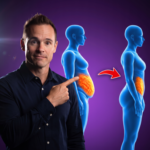
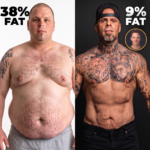
Belly fat has a reputation for being frustratingly stubborn, and there’s actually a biological reason why.
Even when diet and exercise seem dialed in, that midsection fat clings on for dear life.
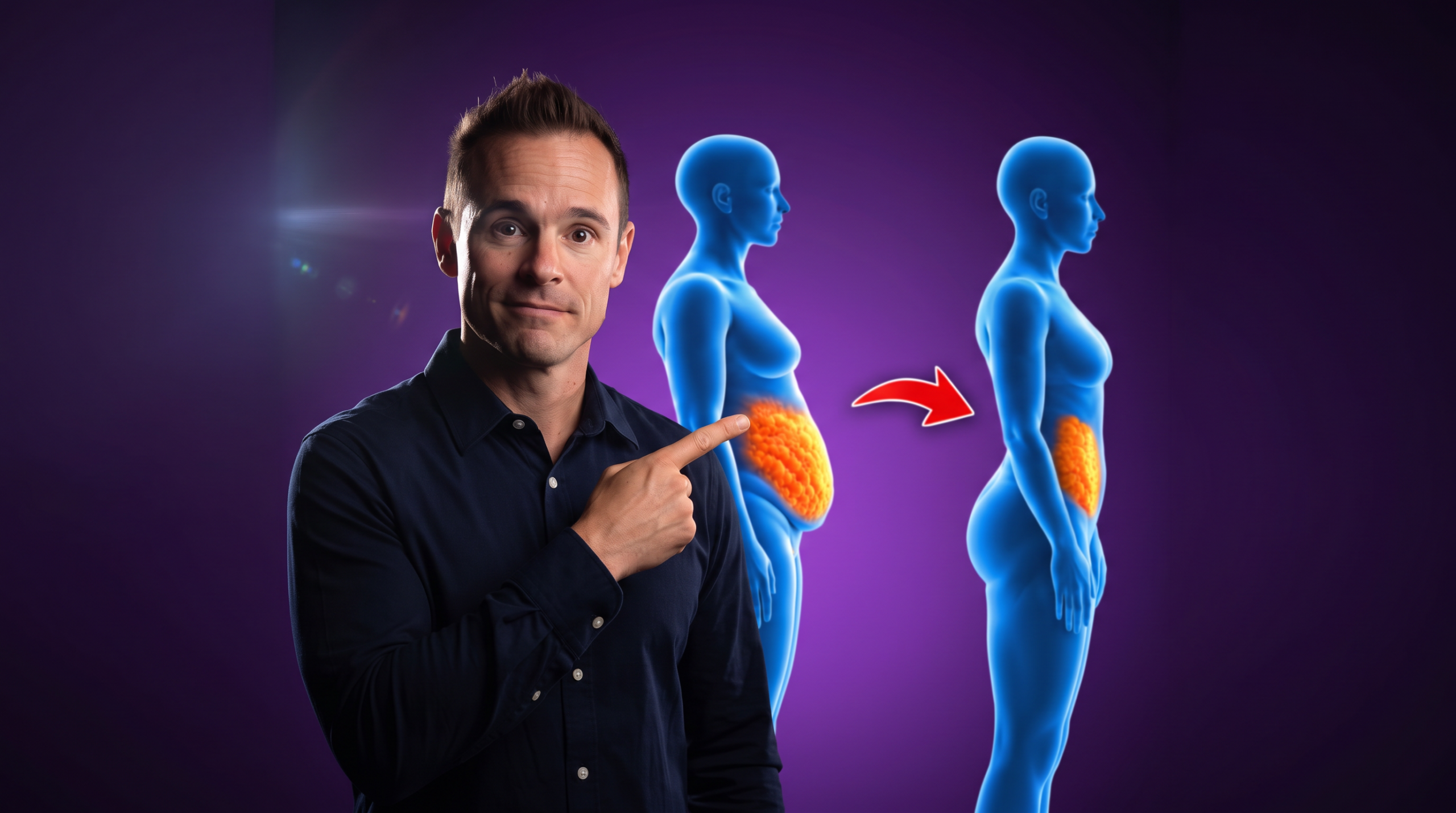
Understanding the science behind fat storage—and how different receptors control fat release—can unlock new strategies for finally losing those last few pounds.
Combining high-intensity interval training with strategic fasting may be the missing piece many people need.
Jump to:
- Why Belly Fat Is So Hard to Lose
- The Role of Adrenaline and Insulin
- High-Intensity Interval Training: The Natural Adrenaline Spike
- The Power of Extended Fasting
- Combining Fasting and HIIT: A Three-Pronged Approach
- Why Diet Still Matters—Even With HIIT
- Cortisol and Belly Fat: The Stress Connection
- The Importance of Fat Quality
- Putting It All Together
Why Belly Fat Is So Hard to Lose
From an evolutionary standpoint, bodies have developed mechanisms to retain fat in the midsection as a survival strategy.
Abdominal fat cells contain two types of receptors that control fat release: beta receptors, which act as accelerators, and alpha-2 receptors, which function like brake pads.

If you want something simple that actually works, this is one of the most effective tools I’ve used to build strength, conditioning, and endurance without needing a full gym setup.
- Full-body training with one weight using swings, squats, and presses
- Solid cast iron build that feels stable and lasts for years
- Comfortable grip that makes high-rep workouts easier to handle
In the lower belly specifically, the ratio of accelerators to brakes is roughly 1 to 9—meaning there are nine times more receptors working to lock up fat than to release it.
This isn’t a design flaw. It’s a feature built into human physiology during times when food scarcity and environmental stress were constant threats.
Holding onto energy reserves in the belly helped ancestors survive unpredictable conditions.
The Role of Adrenaline and Insulin
To overcome those biological brakes, the body needs a surge of adrenaline to activate beta receptors and signal fat cells to release stored energy.
But there’s a catch: insulin must be low for adrenaline to do its job effectively.
When insulin levels are elevated—often from frequent eating or high carbohydrate intake—the body produces more alpha-2 receptors (the brakes) and downgrades existing beta receptors (the accelerators).
If you want something simple that actually works, this is one of the most effective tools I’ve used to build strength, conditioning, and endurance without needing a full gym setup.
- Full-body training with one weight using swings, squats, and presses
- Solid cast iron build that feels stable and lasts for years
- Comfortable grip that makes high-rep workouts easier to handle
That metabolic environment makes fat loss nearly impossible, no matter how much someone exercises.
Historically, pharmaceutical companies attempted to exploit this system by developing drugs that increased adrenaline or blocked alpha-2 receptors to dissolve belly fat.
Many of these drugs proved dangerous, with over 155 deaths reported from certain formulations.
Natural alternatives like ephedra (ma huang) also raised safety concerns due to serious side effects and were eventually pulled from the market.
Yohimbine, extracted from African tree bark, has been explored for weight loss and libido enhancement but carries its own risks and isn’t recommended for general use.
High-Intensity Interval Training: The Natural Adrenaline Spike
Light or moderate cardio doesn’t significantly increase adrenaline levels enough to override the body’s fat-storing mechanisms.
If you want something simple that actually works, this is one of the most effective tools I’ve used to build strength, conditioning, and endurance without needing a full gym setup.
- Full-body training with one weight using swings, squats, and presses
- Solid cast iron build that feels stable and lasts for years
- Comfortable grip that makes high-rep workouts easier to handle
High-intensity interval training (HIIT), however, can boost adrenaline levels 10 to 30 times above baseline—making it one of the most effective natural methods for triggering fat release.
The key distinction is that HIIT involves short, explosive bursts of effort followed by recovery periods, not prolonged high-intensity exercise.
Think sprinting for 30 seconds, then walking for a minute, repeated several times.
This approach mimics the intense, sporadic movement patterns of early humans—hunting, fleeing danger, or engaging in physical labor—followed by rest.
The metabolic conditions created by HIIT help override alpha-2 receptors and unlock stubborn fat stores.
The Power of Extended Fasting
Fasting for 18 to 20 hours brings insulin down to baseline levels, creating an optimal hormonal environment for fat loss.
If you want something simple that actually works, this is one of the most effective tools I’ve used to build strength, conditioning, and endurance without needing a full gym setup.
- Full-body training with one weight using swings, squats, and presses
- Solid cast iron build that feels stable and lasts for years
- Comfortable grip that makes high-rep workouts easier to handle
For many people, this might look like eating two meals—one in the early afternoon and another in the early evening—then fasting overnight and into the next day.
When insulin is low and adrenaline is high (from HIIT performed in a fasted state), the body has no choice but to tap into fat reserves for energy.
Extended fasting also specifically targets visceral fat—the deep abdominal fat that wraps around organs and causes the protruding belly appearance.
Visceral fat is particularly responsive to insulin reduction, making intermittent fasting a powerful tool for shrinking waistlines.
Combining Fasting and HIIT: A Three-Pronged Approach
The most effective strategy involves layering multiple interventions to create a synergistic effect:
- Fasting for 18-20 hours to minimize insulin and maximize fat availability
- High-intensity interval training performed in the fasted state to spike adrenaline
- Optional weight training to further stimulate adrenaline and growth hormone release
This combination mimics ancestral eating and movement patterns that naturally kept body fat low.
If you want something simple that actually works, this is one of the most effective tools I’ve used to build strength, conditioning, and endurance without needing a full gym setup.
- Full-body training with one weight using swings, squats, and presses
- Solid cast iron build that feels stable and lasts for years
- Comfortable grip that makes high-rep workouts easier to handle
The time commitment is surprisingly modest: 8 to 15 minutes of intense exercise, two to three times per week.
That’s far less than the hours many people spend on treadmills without seeing results.
Why Diet Still Matters—Even With HIIT
One of the biggest mistakes people make is undermining their exercise efforts with poor dietary choices.
Snacking between meals, eating carbohydrates frequently, or consuming food late at night all spike insulin and reduce the body’s capacity to respond to adrenaline.
Even small amounts of carbohydrates can counteract progress, which is why consistency matters more than intensity when it comes to nutrition.
Avoiding food for at least three hours before bed helps keep insulin low overnight and allows growth hormone—which peaks during deep sleep—to do its fat-burning work.
If you want something simple that actually works, this is one of the most effective tools I’ve used to build strength, conditioning, and endurance without needing a full gym setup.
- Full-body training with one weight using swings, squats, and presses
- Solid cast iron build that feels stable and lasts for years
- Comfortable grip that makes high-rep workouts easier to handle
Cortisol and Belly Fat: The Stress Connection
Abdominal fat cells have four times the concentration of cortisol receptors compared to fat cells elsewhere in the body.
This means chronic stress directly contributes to belly fat accumulation.
Getting eight hours of quality sleep is non-negotiable for fat loss. Sleep is when the body burns fat most efficiently and when growth hormone levels peak.
Without adequate rest, even the best exercise and fasting protocols will fall short.
Sunlight exposure also reduces cortisol levels. A simple walk outdoors can be therapeutic for managing stress and supporting metabolic health.
The Importance of Fat Quality
Not all dietary fats are created equal, especially when it comes to belly fat.
If you want something simple that actually works, this is one of the most effective tools I’ve used to build strength, conditioning, and endurance without needing a full gym setup.
- Full-body training with one weight using swings, squats, and presses
- Solid cast iron build that feels stable and lasts for years
- Comfortable grip that makes high-rep workouts easier to handle
Palmitate, a type of saturated fat found in certain foods and produced by the body, has a particularly negative interaction with cortisol—each makes the other worse.
Fats to avoid include:
- Industrial palm oil
- Industrial seed oils (soybean, corn, canola)
- Trans fats
- Sugars and starches that convert into palmitate in the body
Instead, prioritize oleic acid, a monounsaturated fat found in olive oil, lard, and tallow.
Oleic acid has been shown to counteract some of the negative metabolic effects associated with palmitate and cortisol.
People following ketogenic diets sometimes fall into the trap of “dirty keto,” focusing solely on low carbohydrate intake without considering fat quality.
Choosing high-quality fats is essential for sustainable results.
If you want something simple that actually works, this is one of the most effective tools I’ve used to build strength, conditioning, and endurance without needing a full gym setup.
- Full-body training with one weight using swings, squats, and presses
- Solid cast iron build that feels stable and lasts for years
- Comfortable grip that makes high-rep workouts easier to handle
Putting It All Together
Losing stubborn belly fat requires addressing multiple biological systems at once: insulin, adrenaline, cortisol, and dietary fat composition.
The formula looks like this:
- Fast for 18-20 hours to bring insulin to baseline
- Perform HIIT workouts in a fasted state, 2-3 times per week, for 8-15 minutes
- Optionally add weight training to further boost adrenaline and growth hormone
- Prioritize 8 hours of quality sleep to maximize fat burning and recovery
- Avoid snacking, especially in the three hours before bed
- Choose high-quality fats like olive oil and avoid industrial seed oils
- Manage stress through sunlight exposure, walks, and relaxation techniques
This approach doesn’t require spending hours in the gym or following extreme diets.
It’s about working with the body’s biology rather than against it, using short bursts of intense effort combined with strategic eating windows to unlock fat stores that have been locked down by evolutionary survival mechanisms.
Consistency matters more than perfection. Small, sustainable changes compound over time, leading to lasting results.