Mobility issues don’t just make workouts harder—they affect everything from how you walk to how you sit at your desk.
Most people blame tight muscles and try to stretch their way out of stiffness, but that approach often misses the real problem.
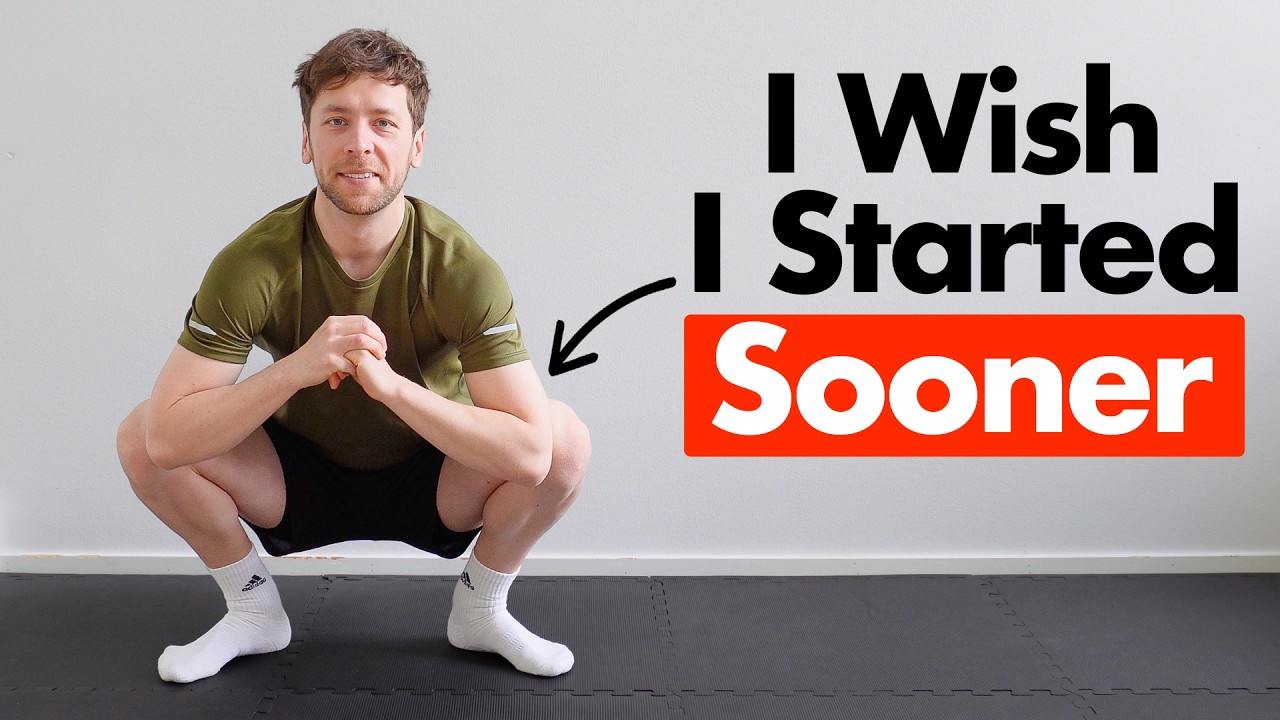
In a recent video, fitness expert and content creator shared five targeted mobility exercises designed to address the most common areas of restriction: hamstrings, hips, lower back, shoulders, and inner thighs.
What makes these movements different is they target the root cause of tightness, not just the symptoms.
Jump to:
Why Hamstring Tightness Isn’t Always About Hamstrings
Tight hamstrings are one of the most commonly reported issues among both athletes and desk workers.
When hamstrings feel restricted, glutes can tighten up, calves become stiff, and lower back discomfort often follows. But according to the expert, most people approach hamstring tightness completely wrong.

If you want something simple that actually works, this is one of the most effective tools I’ve used to build strength, conditioning, and endurance without needing a full gym setup.
- Full-body training with one weight using swings, squats, and presses
- Solid cast iron build that feels stable and lasts for years
- Comfortable grip that makes high-rep workouts easier to handle
The sciatic nerve, which runs from your lower back down your leg, often becomes restricted from all the sitting that we do. This then can create tension that feels like hamstring tightness, but in reality isn’t.
Instead of aggressive static stretching, nerve glides offer a more effective solution.
How to Perform Nerve Glides
- Lie down on your back
- Hook both hands around one leg
- Slowly extend your leg until feeling a light stretch in the hamstring
- Pause briefly, then return to starting position
- Repeat for 1-2 minutes per leg
This movement gently “flosses” the sciatic nerve back and forth. Research supports nerve glides as highly effective for improving hamstring flexibility, often providing noticeable relief almost immediately.
Deep Squats: The Ultimate Hip Opener
Hips sit at the center of nearly every movement pattern.
They support the lower back, help knees track properly during movement, and when restricted, can create a domino effect of dysfunction throughout the body. Limited hip mobility deserves serious attention.
The deep squat addresses multiple areas of tightness simultaneously, making it one of the most efficient mobility exercises available.
Deep Squat Technique
- Set feet slightly wider than hip width
- Drop down as low as comfortable (hold onto something for balance if needed)
- Simply exist in the position—don’t force anything
- Shift side to side and explore different angles
- Feel hips opening, ankles mobilizing, and lower back lengthening
Spending just 30 seconds in a deep squat for two to three sets can create dramatic improvements in hip mobility over time.
If you want something simple that actually works, this is one of the most effective tools I’ve used to build strength, conditioning, and endurance without needing a full gym setup.
- Full-body training with one weight using swings, squats, and presses
- Solid cast iron build that feels stable and lasts for years
- Comfortable grip that makes high-rep workouts easier to handle
The Couch Stretch: Releasing Hip Flexors and Lower Back Tension
Prolonged sitting keeps hip flexors—particularly deeper muscles like the psoas—in a chronically shortened position.
Over time, tight hip flexors pull the pelvis forward, creating stiffness, discomfort, and potentially significant back pain. Addressing this tightness becomes essential for anyone spending hours seated daily.
When we sit a lot, our hip flexors, especially deeper muscles like the psoas, are constantly in a shortened position. Over time, this makes them tight, which if not fixed, can start to pull your pelvis forward, leading to stiffness, discomfort, and in more severe cases, actual back pain.
The couch stretch targets this problem directly.
Couch Stretch Setup
- Get into a lunge position with back knee elevated against a couch or wall
- Slowly bring torso upright
- If already feeling a strong stretch through front of hip and thigh, stay here
- For deeper stretch, gently push hips backward
- Stay relaxed and breathe into the position
- Hold for 1-2 minutes per leg
This stretch gradually opens tight hip flexors and can provide significant relief from lower back tension.
Shoulder and Neck Relief Through Overhead Rotations
Shoulder and neck tightness often results from overactive traps, stiff upper back muscles, or poor desk ergonomics.
When shoulders and neck absorb excessive stress, tension builds rapidly. In severe cases, this tension can trigger debilitating headaches.
If you want something simple that actually works, this is one of the most effective tools I’ve used to build strength, conditioning, and endurance without needing a full gym setup.
- Full-body training with one weight using swings, squats, and presses
- Solid cast iron build that feels stable and lasts for years
- Comfortable grip that makes high-rep workouts easier to handle
Stick overhead rotations provide an effective solution for preventing shoulder and upper back restriction.
How to Perform Overhead Rotations
- Grab a stick, towel, or resistance band
- Grip slightly wider than shoulder width
- Slowly raise arms up and over head
- Go as far as comfortable, then return to start
- Feel chest and shoulders opening throughout movement
- As movement becomes easier, gradually bring hands closer together
- Continue for 1-2 minutes until noticing improvement
This simple drill opens up the chest and shoulders, directly addressing one of the primary causes of neck tension.
Cossack Squats: The Most Overlooked Mobility Movement
Tight adductors (inner thigh muscles) limit squat depth, restrict hip movement, and can contribute to groin or lower back discomfort.
Despite their importance, adductors rarely receive adequate attention in most mobility routines.
The Cossack squat effectively releases adductor tightness while simultaneously improving hip and ankle mobility.
Cossack Squat Execution
- Start in a wide stance
- Place hands on thighs for support if needed
- Gently shift side to side, easing into movement
- As body opens up, slowly sink deeper into each side
- Feel stretch along inner thigh of straight leg
- Stay in higher position if very tight—that’s perfectly acceptable
- For additional challenge, sink as low as comfortable
- Advanced variation: add slight rotation of foot to target hamstrings
- Aim for five controlled reps per side for two sets
Starting where you feel a clear stretch—not something overwhelming—ensures sustainable progress without injury risk.
If you want something simple that actually works, this is one of the most effective tools I’ve used to build strength, conditioning, and endurance without needing a full gym setup.
- Full-body training with one weight using swings, squats, and presses
- Solid cast iron build that feels stable and lasts for years
- Comfortable grip that makes high-rep workouts easier to handle
Consistency Beats Intensity
These five movements address the most common areas of restriction that affect daily life and athletic performance.
Performed consistently—even just a few minutes daily—they create noticeable improvements in how the body moves and feels. Better mobility translates to reduced pain, improved workout performance, and enhanced quality of movement throughout everyday activities.
The key isn’t perfection or pushing through pain. It’s regular, mindful practice that allows joints and tissues to gradually adapt and open up.