Tiny tinned fish are having a big moment.
In a recent Verywell Health article on the viral “sardinemaxxing” trend, sardines were spotlighted as a budget-friendly pantry staple with surprisingly strong scientific backing.
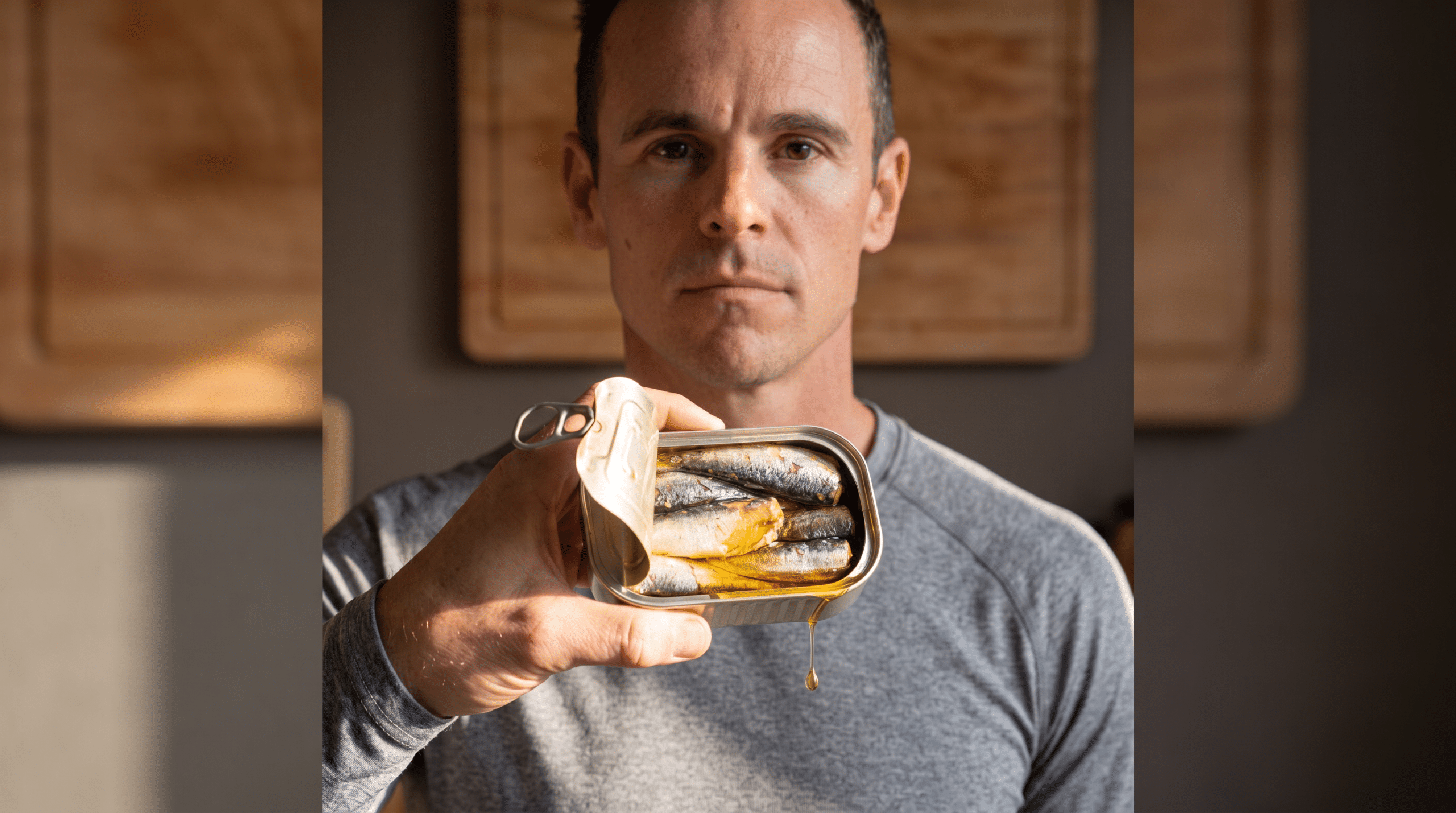
One clinical trial found that a weekly sardine habit dramatically shifted diabetes risk in older adults with prediabetes.
Could a humble tin really rival your fish oil capsules?
Here is what the evidence shows, plus one catch worth knowing.
Jump to:
The Prediabetes Numbers That Turned Heads
A 2021 trial by Díaz-Rizzolo and colleagues in Clinical Nutrition followed 152 adults over 65 with prediabetes for a full year.
Participants in the sardine group ate roughly 200 grams weekly, about two standard 100-gram tins.
- Sardine group: share of participants in the highest-risk category fell from 37% to 8%
- Control group: share slipped only from 27% to 22%
That gap is striking, especially for something sold next to the canned tomatoes.
The Catch: Participants Knew Their Group
The study was open-label, so everyone knew whether they were eating sardines.
That can nudge behavior, since people assigned to a “healthy” food may also exercise more or eat better elsewhere. Findings are promising rather than final, and larger blinded trials are needed to confirm the effect.
Why Whole Fish May Beat the Capsule
Large randomized trials of fish oil supplements, including ASCEND, VITAL and STRENGTH, have delivered mixed cardiovascular results.
Researchers increasingly point to the food matrix effect: nutrients eaten together may interact in ways isolated pills cannot replicate.
A 2023 review by Santos, May and Bueno in Frontiers in Nutrition made this case specifically for sardines. Their conclusion: sardines may offer broader cardiovascular benefits than fish oil alone.
Note the careful wording. That review argues a hypothesis built on nutrient synergy; it is not a head-to-head trial crowning sardines the winner.
What Is Packed Inside One Tin
Capsules deliver omega-3s. Sardines deliver an entire nutrient lineup:
- EPA and DHA omega-3s: identical fatty acids found in fish oil
- Taurine: an amino acid linked to cardiovascular benefits
- Complete protein: all essential amino acids in one serving
- Vitamin B12: key for energy and nerve function
- Calcium: roughly 25% to 40% of daily needs in one bone-in can, depending on brand
- Vitamin D3 and phosphorus: partners in absorption and bone structure
A Possible Bone-Protection Bonus
Observational research cited by Eating Well links eating sardines at least once weekly with a 33% lower risk of hip fractures.
Observational data shows association, not proof of cause. Still, the nutrient profile makes the link plausible for aging bones.
Low Mercury, Low Footprint
Sardines sit low on the marine food chain, so they accumulate far less mercury and PCBs than predators like tuna or swordfish.
The FDA lists them as a “Best Choice” seafood, suitable for frequent eating, including during pregnancy and older age.
Sustainability-minded shoppers can also look for MSC-certified options, widely available and typically cheaper than other premium animal proteins.
How to Start Without Gagging
New to tinned fish? Begin gently.
- Target two tins weekly, matching the amount used in the prediabetes trial.
- Choose bone-in varieties to capture the calcium.
- Mash onto whole-grain toast with lemon and black pepper.
- Toss into salads or pasta, where bold flavors soften the fishiness.
- Scan labels for added salt and pick fish packed in water or olive oil.
Why This Matters for Prediabetes
According to the CDC, about 96 million U.S. adults, roughly 1 in 3, have prediabetes. Most do not know it.
Anyone managing blood sugar or heart risk should treat sardines as a delicious addition, not a replacement for medication or medical advice. Ask a doctor or registered dietitian before making big changes.
The Bottom Line
Sardines are affordable, nutrient-dense and low in contaminants, with early clinical evidence pointing toward metabolic benefits.
Whether they truly outperform fish oil still awaits larger, blinded trials. Meanwhile, a couple of tins weekly is an easy, low-risk experiment worth trying.
Sources
- Verywell Health, What Is Sardinemaxxing: https://www.verywellhealth.com/what-is-sardinemaxxing-11949775
- Santos, May and Bueno, Frontiers in Nutrition, 2023: https://doi.org/10.3389/fnut.2023.1107475