Kettlebell swings might look simple, but they’ve earned legendary status for a reason.
Joe Rogan swears by them. Top coaches across every major training style recommend them. And it’s not just hype — there’s some science to back it up.
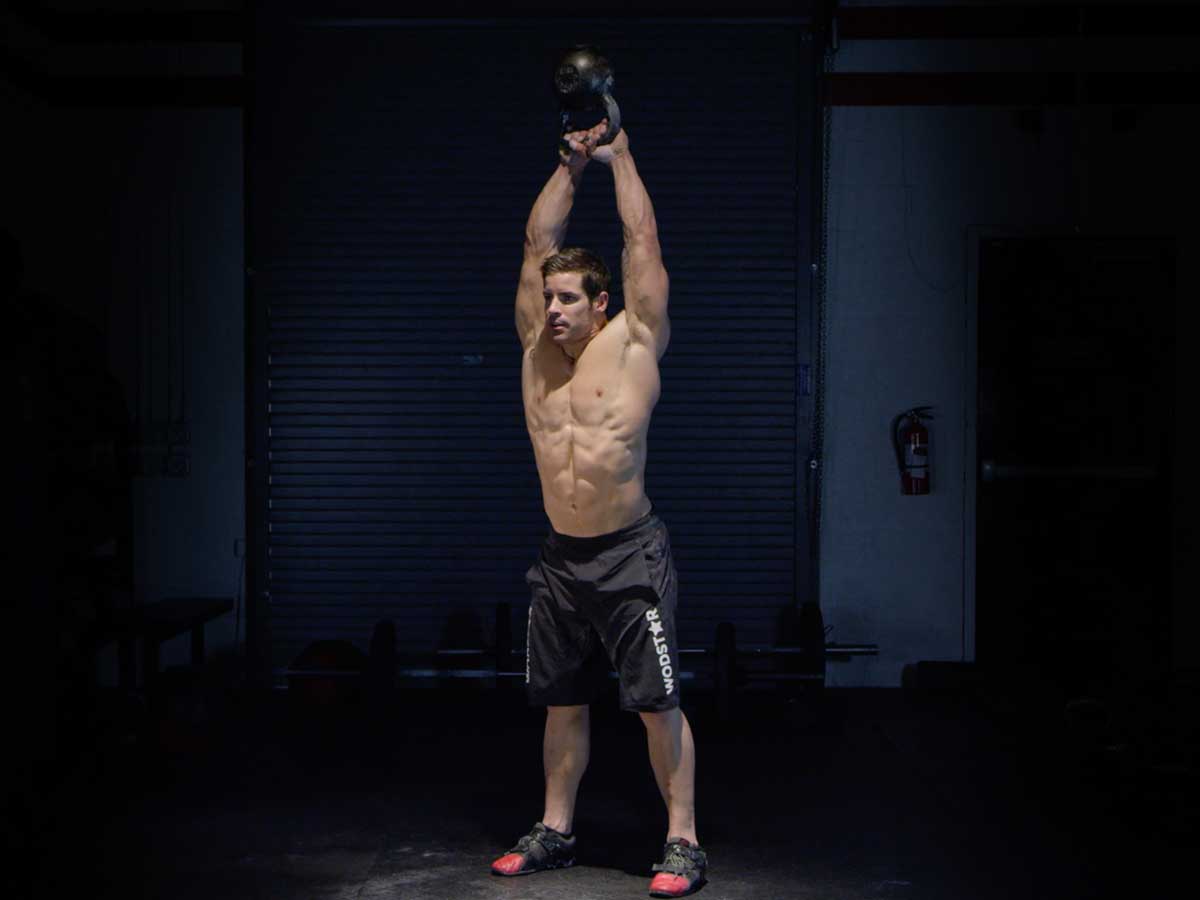
This ballistic movement is more than a calorie scorcher. It reprograms your body from the ground up, with benefits that impact everything from strength to posture to pain relief.
But here’s the twist — most people are doing it wrong. In fact, it’s one of the most commonly butchered movements in the gym today.
Let’s explore what makes kettlebell swings so powerful, what they actually do to your body, and how to get them right before you put your back at risk.
Jump to:
- The Calorie-Torching Powerhouse
- Reactivating the Posterior Chain: Glutes & Hamstrings
- Transforming Your Lower Back from Weakness to Weapon
- Kettlebell Swings as High-Intensity Cardio
- Grip and Core Strength: Crushing Hands and Steel Plank Abs
- Bulletproof Shoulders Through Stability Training
- The Origins of the Kettlebell Swing
- The Most Common Mistake People Make
- The Bottom Line
The Calorie-Torching Powerhouse
The kettlebell swing isn’t just another exercise — it’s one of the most efficient fat-burning movements ever tested.

If you want something simple that actually works, this is one of the most effective tools I’ve used to build strength, conditioning, and endurance without needing a full gym setup.
- Full-body training with one weight using swings, squats, and presses
- Solid cast iron build that feels stable and lasts for years
- Comfortable grip that makes high-rep workouts easier to handle
A study by the American Council on Exercise found that doing kettlebell swings can burn an average of 20.2 calories per minute. That puts it on par with running a 6-minute mile, minus the joint pounding.
With just a 20-minute session, you could burn over 400 calories — while also building strength and conditioning. It’s cardio and resistance training packed into one explosive move.
And unlike traditional cardio, swings train your muscles to be athletic and powerful rather than fragile and depleted.
Reactivating the Posterior Chain: Glutes & Hamstrings
Sitting all day leads to what some trainers call “dormant butt syndrome.” Inactive glutes reduce your athleticism, increase injury risk, and sabotage your strength potential.
Kettlebell swings are the antidote. Through repeated explosive hip extension, they cause deep activation of your gluteus maximus and hamstrings.
EMG research confirms significant muscle activity during swings, especially in the posterior chain — the body’s powerhouse muscles for sprinting, jumping, and lifting.
If you want something simple that actually works, this is one of the most effective tools I’ve used to build strength, conditioning, and endurance without needing a full gym setup.
- Full-body training with one weight using swings, squats, and presses
- Solid cast iron build that feels stable and lasts for years
- Comfortable grip that makes high-rep workouts easier to handle
More than building a better-looking backside, stronger glutes mean better posture, lower injury risk, and improved real-world function — from picking up kids to loading groceries into the car without tweaking your back.
Transforming Your Lower Back from Weakness to Weapon
One of the biggest myths around kettlebell training is that it damages your lower back. This concern often stems from poor form, not the exercise itself.
In fact, studies by spine researcher Dr. Stuart McGill have shown that when executed correctly, kettlebell swings improve lumbar spine stability and strengthen core-supporting musculature.
A separate randomized control trial from the National Research Centre for the Working Environment in Denmark found that kettlebell training significantly reduced pain in the neck, shoulders, and lower back in workers with musculoskeletal issues.
The hypertrophy and movement pattern training from swings act like armor around your spine, reinforcing your body’s natural shock absorbers while refining functional movement like the hip hinge.
Kettlebell Swings as High-Intensity Cardio
If the treadmill puts you to sleep, kettlebell swings might be the answer. A study published in the Journal of Strength and Conditioning Research found that swings completed in a 12-minute circuit maintained heart rates at roughly 85% of max — squarely in the high-intensity zone.
If you want something simple that actually works, this is one of the most effective tools I’ve used to build strength, conditioning, and endurance without needing a full gym setup.
- Full-body training with one weight using swings, squats, and presses
- Solid cast iron build that feels stable and lasts for years
- Comfortable grip that makes high-rep workouts easier to handle
This means you’re not just working — you’re improving VO2 max, cardiovascular endurance, and metabolic conditioning — all while building muscle.
Think of it as sneaky cardio: you’re getting all the heart benefits of a HIIT session while engaging dozens of muscles in dynamic movement.
It has real-world carryover. You’re improving your ability to chase after your kids, do yardwork without gasping for air, and crush a weekend hike without slowing down the group.
Grip and Core Strength: Crushing Hands and Steel Plank Abs
Each rep of the swing forces your grip to work overtime. As the kettlebell tries to rip itself from your hands, your forearms, fingers, and hand muscles engage in constant tension.
This builds a form of dynamic grip strength that isolation exercises like dumbbell curls simply can’t match.
At the same time, your core has to brace like mad to resist hyperextension of the spine. Unlike crunches, which flex your spine and focus on surface-level muscles, kettlebell swings force co-contraction of deep core muscles, replicating the full-body tension of a standing plank in motion.
If you want something simple that actually works, this is one of the most effective tools I’ve used to build strength, conditioning, and endurance without needing a full gym setup.
- Full-body training with one weight using swings, squats, and presses
- Solid cast iron build that feels stable and lasts for years
- Comfortable grip that makes high-rep workouts easier to handle
This makes swings exceptional for developing true core stability — the kind that protects your lower back and improves lifting, running, and general movement.
Bulletproof Shoulders Through Stability Training
Though not a dedicated shoulder movement, swings enhance shoulder integrity through isometric stabilization and controlled mobility at the top of each rep.
Your rotator cuff and scapular stabilizers have to work together to guide and control the arc of the kettlebell with every repetition.
What you’re building isn’t just size — it’s resilience. You’re reinforcing the tendons, ligaments, and support structures that keep your shoulders healthy long-term.
The Origins of the Kettlebell Swing
Interestingly, this revolutionary movement has humble beginnings. The kettlebell — or “girya” in Russian — began as a simple counterweight used by 18th-century farmers to measure grain.
To pass the time (and show off), men began swinging and lifting them for fun. This tradition evolved into the basis for Russian strength training, eventually producing some of the world’s strongest athletes.
If you want something simple that actually works, this is one of the most effective tools I’ve used to build strength, conditioning, and endurance without needing a full gym setup.
- Full-body training with one weight using swings, squats, and presses
- Solid cast iron build that feels stable and lasts for years
- Comfortable grip that makes high-rep workouts easier to handle
Now, centuries later, it’s considered one of the most effective movements in modern fitness — offering practical, real-world strength for any ability level.
The Most Common Mistake People Make
Now for the deal-breaker: most people perform the kettlebell swing as a squat. But the swing is absolutely not a squat — read that again.
A proper swing is a hip hinge — similar to a Romanian deadlift or setting up a power clean. It’s your glutes and hamstrings doing the lifting, not your quads and shoulders.
In a faulty swing, you’ll see deep knee bends, a vertical torso, and arms raising the bell through shoulder strength. This defeats the purpose and increases risk to the lower back and shoulders.
How to Perform the Kettlebell Swing Correctly
- Start: Place the kettlebell about a foot in front of you on the floor. Stand with feet slightly wider than hips, toes angled out.
- Hinge: Push your hips back like you’re closing a car door with your backside. Keep your spine flat, chest proud, and shoulders back.
- Grip: Reach forward to grab the kettlebell with both hands. Load tension in your hamstrings.
- Hike: Swing the bell between your legs, like a football snap, keeping it high in the groin while still loaded through the hips.
- Explode: Thrust hips forward powerfully, snapping into a plank at the top. Glutes tight. Quads tight. Core braced.
- Float: Let the arms follow the kettlebell. They’re just there to guide, not lift.
- Catch: As the bell swings down, hinge your hips again, catch the bell between your thighs, and repeat for fluid reps.
Programming Tips for Maximum Results
For beginners, a 30–35 lb kettlebell (14–16 kg) is a great starting point. Prioritize form over ego every time.
One effective workout structure is EMOM — every minute on the minute. Set a timer for 10 minutes. Complete 12–15 swings at the top of every minute, then rest until the next round.
If you want something simple that actually works, this is one of the most effective tools I’ve used to build strength, conditioning, and endurance without needing a full gym setup.
- Full-body training with one weight using swings, squats, and presses
- Solid cast iron build that feels stable and lasts for years
- Comfortable grip that makes high-rep workouts easier to handle
This gives you high-effort intervals with recoveries built in, making it a powerful strength-conditioning hybrid.
The Bottom Line
Kettlebell swings aren’t magic — but close. They build total-body power, incinerate fat, bulletproof your back, and forge a functional core, all in a minimalist, low-impact package.
Done with proper mechanics and smart programming, they may be one of the only tools you need in your training arsenal.
Whether you’re trying to move better, get leaner, or build strength that translates into real life — this ultra-efficient movement delivers.