Avoiding tobacco stands as the single most powerful move anyone can make to slash cancer risk.
But what if you’ve already smoked? And beyond quitting cigarettes, what else actually moves the needle on cancer prevention?
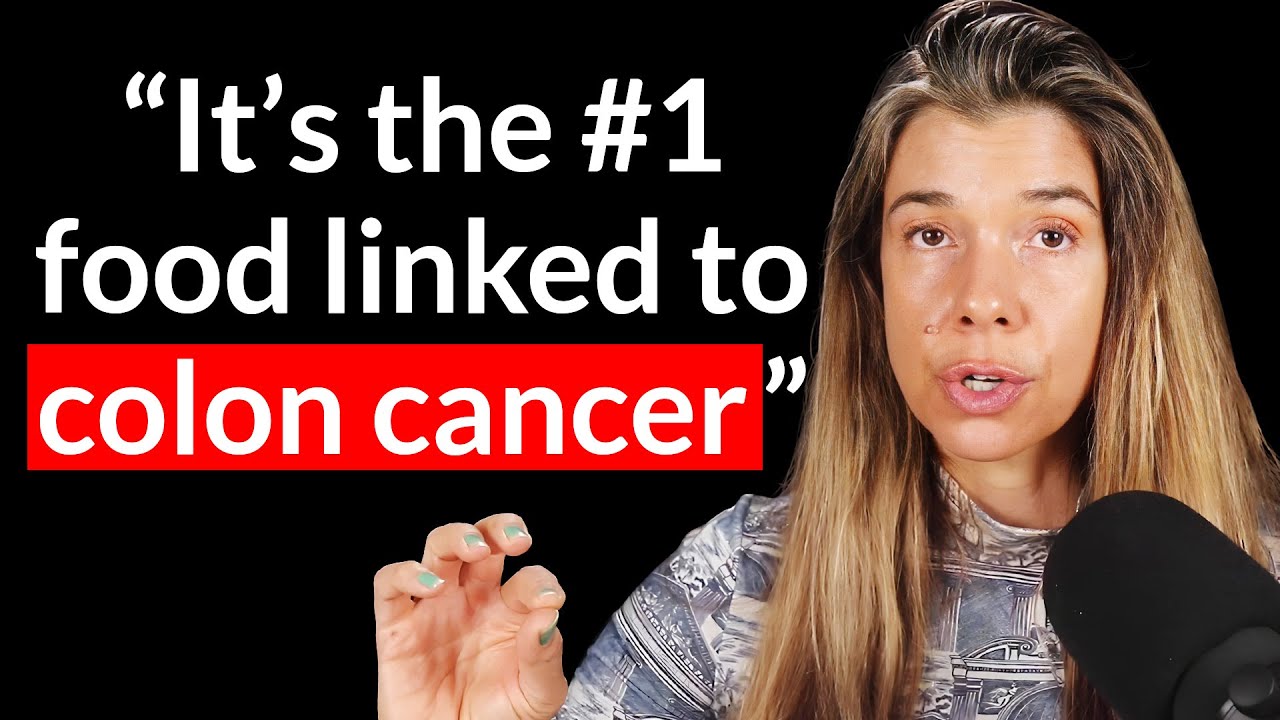
In a recent discussion, a health expert broke down the evidence-based strategies that make the biggest difference—from weight management and exercise to dietary choices and surprising supplement insights.
Here’s what the research really shows about protecting yourself from one of the most feared diseases.
Jump to:
- Quitting Smoking: It’s Never Too Late
- Maintain a Healthy Body Weight
- Regular Physical Activity: Non-Negotiable
- Eat a Diet Rich in Whole Foods
- Limit Alcohol Consumption
- Protect Your Skin from UV Radiation
- Address Environmental Exposures
- Manage Stress and Prioritize Sleep
- Supplements That May Help
- Supplements to Avoid
Quitting Smoking: It’s Never Too Late
Cigarette smoking links to 80 to 90% of all lung cancer deaths in the United States. That statistic alone makes tobacco avoidance the cornerstone of cancer prevention.
I think the best thing that you do is quit, right? Quitting smoking is the best thing that you can do for your health.
Former smokers shouldn’t lose hope. Quitting in early adulthood eliminates about 90% of excess mortality from smoking. Even quitting later cuts lung cancer risk by approximately 50% within just 10 to 15 years.

If you want something simple that actually works, this is one of the most effective tools I’ve used to build strength, conditioning, and endurance without needing a full gym setup.
- Full-body training with one weight using swings, squats, and presses
- Solid cast iron build that feels stable and lasts for years
- Comfortable grip that makes high-rep workouts easier to handle
Maintain a Healthy Body Weight
After tobacco avoidance, weight management emerges as the next most impactful cancer prevention strategy.
Obesity strongly increases risk for 13 different types of cancer, including endometrial, breast, colon, and kidney cancers. About 11% of cancers in women and 5% in men are linked to excess body weight.
The numbers become even more striking when examining specific cancers:
- Endometrial cancer: 50 to 60% of cases in the United States are linked to being overweight or obese
- Postmenopausal breast cancer: 20 to 60% higher risk for women who are overweight or obese
- Colorectal cancer: Up to 40% higher risk with unhealthy weight
Keeping BMI in the healthy range between 18.5 to 24.9 offers significant protection. Even modest weight loss can be meaningful for reducing cancer risk.
Regular Physical Activity: Non-Negotiable
Exercise ranks among the best interventions for absolutely every aspect of health, including cancer prevention.
It is the most important thing I do each day is getting my exercise.
Current guidelines recommend 150 minutes per week of vigorous intensity exercise as a baseline. Getting more provides even greater benefits.
If you want something simple that actually works, this is one of the most effective tools I’ve used to build strength, conditioning, and endurance without needing a full gym setup.
- Full-body training with one weight using swings, squats, and presses
- Solid cast iron build that feels stable and lasts for years
- Comfortable grip that makes high-rep workouts easier to handle
For moderate intensity exercise, aim for approximately 300 minutes weekly. Mixing in vigorous intensity sessions amplifies the protective effects.
Eat a Diet Rich in Whole Foods
What constitutes a “healthy diet” for cancer prevention? The evidence consistently points toward Mediterranean-style eating patterns.
Studies universally show that people who eat vegetables, fruits, nuts, whole grains, and legumes while limiting processed meat experience greater cancer risk reduction than those following other dietary patterns.
The Fiber Factor
Fiber intake dramatically impacts colorectal cancer risk—one of the top three or four cancers people develop and die from.
For each 10-gram serving of fiber per day, colorectal cancer risk may decrease by 10%. This effect is cumulative, meaning more fiber equals greater protection.
There’s just no argument that fiber isn’t good for your colon and that it doesn’t decrease colorectal cancer risk because it really for each 10 gram serving per day, it may decrease colorectal cancer risk by 10%.
People eating at least five servings of fruits and vegetables daily show a 50 to 60% reduction in colon cancer incidence compared to those eating less.
If you want something simple that actually works, this is one of the most effective tools I’ve used to build strength, conditioning, and endurance without needing a full gym setup.
- Full-body training with one weight using swings, squats, and presses
- Solid cast iron build that feels stable and lasts for years
- Comfortable grip that makes high-rep workouts easier to handle
Avoid Processed Meats
Processed meat consumption links strongly to colorectal cancer. Colorectal cancer incidence has risen exponentially each decade since the 1930s—a trend that parallels increased intake of ultra-processed foods.
Modern diets high in refined sugar, low in nutrients, and loaded with preservatives and additives from processed meats directly correlate with increased colorectal cancer rates.
Limit Alcohol Consumption
When it comes to alcohol and cancer risk, less is definitely better.
Heavy drinkers face a five-fold greater risk for mouth and throat cancers. Even moderate drinking—just one drink per day—raises breast cancer risk by approximately 10%.
Those consuming two to three drinks daily have about 20% higher breast cancer risk.
It’s this daily drinking of alcohol that’s really just something that you can get rid of and it will be tremendous for lowering cancer risk.
Occasional drinking—a couple times monthly—doesn’t show the same elevated risk as daily consumption.
If you want something simple that actually works, this is one of the most effective tools I’ve used to build strength, conditioning, and endurance without needing a full gym setup.
- Full-body training with one weight using swings, squats, and presses
- Solid cast iron build that feels stable and lasts for years
- Comfortable grip that makes high-rep workouts easier to handle
Protect Your Skin from UV Radiation
UV radiation remains the main cause of skin cancers. Regular sunscreen use offers remarkable protection.
A randomized controlled trial in Australia demonstrated that consistent sunscreen application reduced melanoma incidence by 50% over 10 years.
Melanoma poses particular danger because it metastasizes quickly, often causing death from cancers in other areas.
Address Environmental Exposures
Several environmental factors significantly impact cancer risk but often fly under the radar.
Radon Gas
Radon—an invisible gas entering homes through soil—is actually the second leading cause of lung cancer in the United States.
Testing your home for radon levels is crucial, especially during winter when doors and windows remain shut.
If you want something simple that actually works, this is one of the most effective tools I’ve used to build strength, conditioning, and endurance without needing a full gym setup.
- Full-body training with one weight using swings, squats, and presses
- Solid cast iron build that feels stable and lasts for years
- Comfortable grip that makes high-rep workouts easier to handle
Air Quality
Air pollution and secondhand smoke contribute to cancer risk. Using an air filter helps remove particulate matter and other harmful substances from indoor environments.
Manage Stress and Prioritize Sleep
Chronic stress links to cancer through immune and inflammatory pathways. While exact mechanisms remain somewhat unclear, observational evidence consistently shows elevated cortisol and inflammation increase cancer incidence.
Sleep quality and circadian rhythm play equally important roles. Night shift workers and people with disrupted sleep patterns show higher cancer risk.
The World Health Organization classifies circadian disruption from shift work as a probable carcinogen.
Prioritizing consistent, quality sleep—at least seven to eight hours nightly—supports immune regulation and hormonal balance critical for cancer prevention.
Supplements That May Help
While many supplements claim cancer-fighting benefits, only a few have strong clinical evidence backing their use.
If you want something simple that actually works, this is one of the most effective tools I’ve used to build strength, conditioning, and endurance without needing a full gym setup.
- Full-body training with one weight using swings, squats, and presses
- Solid cast iron build that feels stable and lasts for years
- Comfortable grip that makes high-rep workouts easier to handle
Vitamin D
Vitamin D emerges as one of the most promising supplements for cancer prevention. Mendelian randomization studies—which use genetics to establish causal relationships—show people with genetically low vitamin D levels have much higher cancer-related mortality.
The VITAL study found that vitamin D supplementation at 2,000 IU daily lowered cancer-related death compared to placebo.
More than half of people in the United States have insufficient vitamin D levels, making supplementation a logical intervention.
Magnesium
Approximately half the U.S. population doesn’t get enough magnesium. Like vitamin D, bringing magnesium levels from deficient to sufficient may offer cancer protection.
Calcium and Vitamin C
Dietary calcium—aiming for 1,000 milligrams daily from food sources—shows protective effects against colon cancer and precancerous adenomas.
Dark leafy greens, nuts, and dairy all provide excellent calcium sources.
If you want something simple that actually works, this is one of the most effective tools I’ve used to build strength, conditioning, and endurance without needing a full gym setup.
- Full-body training with one weight using swings, squats, and presses
- Solid cast iron build that feels stable and lasts for years
- Comfortable grip that makes high-rep workouts easier to handle
Observational studies link vitamin C to lower cancer risk, though it’s difficult to separate vitamin C’s individual effect from the broader benefits of eating fruits and vegetables rich in multiple micronutrients.
Supplements to Avoid
Some supplements may actually increase cancer risk in certain populations.
The Beta Carotene and Retinol Efficacy Trial in 2004 found that high-dose beta carotene (30 milligrams daily) and retinyl palmitate (25,000 IU daily) significantly increased lung cancer risk in people with smoking history.
Risk jumped by approximately 28% in this population.
Potent antioxidants like N-acetylcysteine also raise concerns for smokers already at high risk for lung cancer. Something about the lung environment and reactive oxygen species creates problematic interactions with these supplements.
Former and current smokers should avoid high-dose beta carotene and similar antioxidant supplements.
If you want something simple that actually works, this is one of the most effective tools I’ve used to build strength, conditioning, and endurance without needing a full gym setup.
- Full-body training with one weight using swings, squats, and presses
- Solid cast iron build that feels stable and lasts for years
- Comfortable grip that makes high-rep workouts easier to handle
Avoiding tobacco stands as the single most powerful move anyone can make to slash cancer risk.
But what if you’ve already smoked? And beyond quitting cigarettes, what else actually moves the needle on cancer prevention?
In a recent discussion, a health expert broke down the evidence-based strategies that make the biggest difference—from weight management and exercise to dietary choices and surprising supplement insights.
Here’s what the research really shows about protecting yourself from one of the most feared diseases.
Quitting Smoking: It’s Never Too Late
Cigarette smoking links to 80 to 90% of all lung cancer deaths in the United States. That statistic alone makes tobacco avoidance the cornerstone of cancer prevention.
I think the best thing that you do is quit, right? Quitting smoking is the best thing that you can do for your health.
Former smokers shouldn’t lose hope. Quitting in early adulthood eliminates about 90% of excess mortality from smoking. Even quitting later cuts lung cancer risk by approximately 50% within just 10 to 15 years.
If you want something simple that actually works, this is one of the most effective tools I’ve used to build strength, conditioning, and endurance without needing a full gym setup.
- Full-body training with one weight using swings, squats, and presses
- Solid cast iron build that feels stable and lasts for years
- Comfortable grip that makes high-rep workouts easier to handle
Maintain a Healthy Body Weight
After tobacco avoidance, weight management emerges as the next most impactful cancer prevention strategy.
Obesity strongly increases risk for 13 different types of cancer, including endometrial, breast, colon, and kidney cancers. About 11% of cancers in women and 5% in men are linked to excess body weight.
The numbers become even more striking when examining specific cancers:
- Endometrial cancer: 50 to 60% of cases in the United States are linked to being overweight or obese
- Postmenopausal breast cancer: 20 to 60% higher risk for women who are overweight or obese
- Colorectal cancer: Up to 40% higher risk with unhealthy weight
Keeping BMI in the healthy range between 18.5 to 24.9 offers significant protection. Even modest weight loss can be meaningful for reducing cancer risk.
Regular Physical Activity: Non-Negotiable
Exercise ranks among the best interventions for absolutely every aspect of health, including cancer prevention.
It is the most important thing I do each day is getting my exercise.
Current guidelines recommend 150 minutes per week of vigorous intensity exercise as a baseline. Getting more provides even greater benefits.
If you want something simple that actually works, this is one of the most effective tools I’ve used to build strength, conditioning, and endurance without needing a full gym setup.
- Full-body training with one weight using swings, squats, and presses
- Solid cast iron build that feels stable and lasts for years
- Comfortable grip that makes high-rep workouts easier to handle
For moderate intensity exercise, aim for approximately 300 minutes weekly. Mixing in vigorous intensity sessions amplifies the protective effects.
Eat a Diet Rich in Whole Foods
What constitutes a “healthy diet” for cancer prevention? The evidence consistently points toward Mediterranean-style eating patterns.
Studies universally show that people who eat vegetables, fruits, nuts, whole grains, and legumes while limiting processed meat experience greater cancer risk reduction than those following other dietary patterns.
The Fiber Factor
Fiber intake dramatically impacts colorectal cancer risk—one of the top three or four cancers people develop and die from.
For each 10-gram serving of fiber per day, colorectal cancer risk may decrease by 10%. This effect is cumulative, meaning more fiber equals greater protection.
There’s just no argument that fiber isn’t good for your colon and that it doesn’t decrease colorectal cancer risk because it really for each 10 gram serving per day, it may decrease colorectal cancer risk by 10%.
People eating at least five servings of fruits and vegetables daily show a 50 to 60% reduction in colon cancer incidence compared to those eating less.
If you want something simple that actually works, this is one of the most effective tools I’ve used to build strength, conditioning, and endurance without needing a full gym setup.
- Full-body training with one weight using swings, squats, and presses
- Solid cast iron build that feels stable and lasts for years
- Comfortable grip that makes high-rep workouts easier to handle
Avoid Processed Meats
Processed meat consumption links strongly to colorectal cancer. Colorectal cancer incidence has risen exponentially each decade since the 1930s—a trend that parallels increased intake of ultra-processed foods.
Modern diets high in refined sugar, low in nutrients, and loaded with preservatives and additives from processed meats directly correlate with increased colorectal cancer rates.
Limit Alcohol Consumption
When it comes to alcohol and cancer risk, less is definitely better.
Heavy drinkers face a five-fold greater risk for mouth and throat cancers. Even moderate drinking—just one drink per day—raises breast cancer risk by approximately 10%.
Those consuming two to three drinks daily have about 20% higher breast cancer risk.
It’s this daily drinking of alcohol that’s really just something that you can get rid of and it will be tremendous for lowering cancer risk.
Occasional drinking—a couple times monthly—doesn’t show the same elevated risk as daily consumption.
If you want something simple that actually works, this is one of the most effective tools I’ve used to build strength, conditioning, and endurance without needing a full gym setup.
- Full-body training with one weight using swings, squats, and presses
- Solid cast iron build that feels stable and lasts for years
- Comfortable grip that makes high-rep workouts easier to handle
Protect Your Skin from UV Radiation
UV radiation remains the main cause of skin cancers. Regular sunscreen use offers remarkable protection.
A randomized controlled trial in Australia demonstrated that consistent sunscreen application reduced melanoma incidence by 50% over 10 years.
Melanoma poses particular danger because it metastasizes quickly, often causing death from cancers in other areas.
Address Environmental Exposures
Several environmental factors significantly impact cancer risk but often fly under the radar.
Radon Gas
Radon—an invisible gas entering homes through soil—is actually the second leading cause of lung cancer in the United States.
Testing your home for radon levels is crucial, especially during winter when doors and windows remain shut.
If you want something simple that actually works, this is one of the most effective tools I’ve used to build strength, conditioning, and endurance without needing a full gym setup.
- Full-body training with one weight using swings, squats, and presses
- Solid cast iron build that feels stable and lasts for years
- Comfortable grip that makes high-rep workouts easier to handle
Air Quality
Air pollution and secondhand smoke contribute to cancer risk. Using an air filter helps remove particulate matter and other harmful substances from indoor environments.
Manage Stress and Prioritize Sleep
Chronic stress links to cancer through immune and inflammatory pathways. While exact mechanisms remain somewhat unclear, observational evidence consistently shows elevated cortisol and inflammation increase cancer incidence.
Sleep quality and circadian rhythm play equally important roles. Night shift workers and people with disrupted sleep patterns show higher cancer risk.
The World Health Organization classifies circadian disruption from shift work as a probable carcinogen.
Prioritizing consistent, quality sleep—at least seven to eight hours nightly—supports immune regulation and hormonal balance critical for cancer prevention.
Supplements That May Help
While many supplements claim cancer-fighting benefits, only a few have strong clinical evidence backing their use.
If you want something simple that actually works, this is one of the most effective tools I’ve used to build strength, conditioning, and endurance without needing a full gym setup.
- Full-body training with one weight using swings, squats, and presses
- Solid cast iron build that feels stable and lasts for years
- Comfortable grip that makes high-rep workouts easier to handle
Vitamin D
Vitamin D emerges as one of the most promising supplements for cancer prevention. Mendelian randomization studies—which use genetics to establish causal relationships—show people with genetically low vitamin D levels have much higher cancer-related mortality.
The VITAL study found that vitamin D supplementation at 2,000 IU daily lowered cancer-related death compared to placebo.
More than half of people in the United States have insufficient vitamin D levels, making supplementation a logical intervention.
Magnesium
Approximately half the U.S. population doesn’t get enough magnesium. Like vitamin D, bringing magnesium levels from deficient to sufficient may offer cancer protection.
Calcium and Vitamin C
Dietary calcium—aiming for 1,000 milligrams daily from food sources—shows protective effects against colon cancer and precancerous adenomas.
Dark leafy greens, nuts, and dairy all provide excellent calcium sources.
If you want something simple that actually works, this is one of the most effective tools I’ve used to build strength, conditioning, and endurance without needing a full gym setup.
- Full-body training with one weight using swings, squats, and presses
- Solid cast iron build that feels stable and lasts for years
- Comfortable grip that makes high-rep workouts easier to handle
Observational studies link vitamin C to lower cancer risk, though it’s difficult to separate vitamin C’s individual effect from the broader benefits of eating fruits and vegetables rich in multiple micronutrients.
Supplements to Avoid
Some supplements may actually increase cancer risk in certain populations.
The Beta Carotene and Retinol Efficacy Trial in 2004 found that high-dose beta carotene (30 milligrams daily) and retinyl palmitate (25,000 IU daily) significantly increased lung cancer risk in people with smoking history.
Risk jumped by approximately 28% in this population.
Potent antioxidants like N-acetylcysteine also raise concerns for smokers already at high risk for lung cancer. Something about the lung environment and reactive oxygen species creates problematic interactions with these supplements.
Former and current smokers should avoid high-dose beta carotene and similar antioxidant supplements.
If you want something simple that actually works, this is one of the most effective tools I’ve used to build strength, conditioning, and endurance without needing a full gym setup.
- Full-body training with one weight using swings, squats, and presses
- Solid cast iron build that feels stable and lasts for years
- Comfortable grip that makes high-rep workouts easier to handle