A 25-meter swim nearly ended in embarrassment for someone who had spent years building what looked like peak fitness.
After a decade of dedicated gym training, one athlete discovered a harsh truth: looking fit doesn’t always mean being capable.
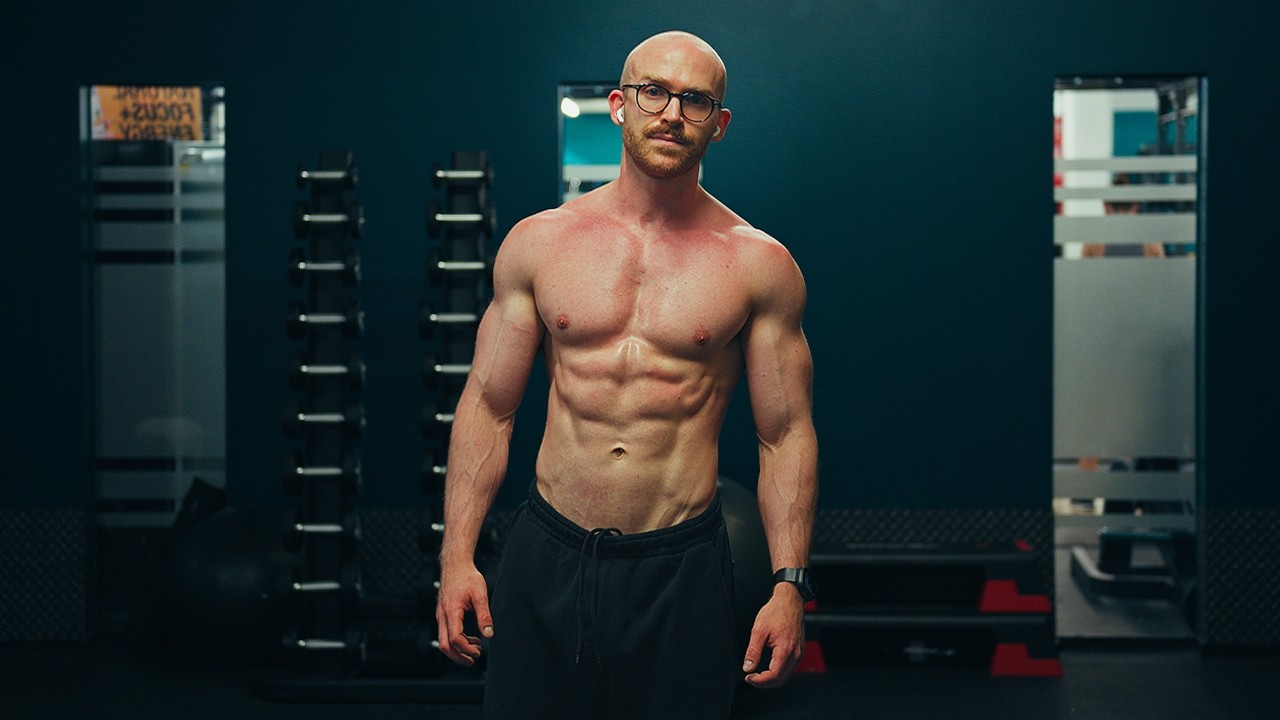
This realization sparked a complete rethinking of training goals, leading to a question every gym-goer should ask themselves.
If current training continues for five years, will it actually create the body that’s truly desired?
Jump to:
When Bigger Became The Only Goal
Most guys start lifting with a clear vision: athletic build, defined muscles, smaller waist, broader shoulders. Basically, looking like someone who trains.
But something shifts along the way. Following bigger lifters on social media, the goal quietly transforms into simply getting bigger—period.

If you want something simple that actually works, this is one of the most effective tools I’ve used to build strength, conditioning, and endurance without needing a full gym setup.
- Full-body training with one weight using swings, squats, and presses
- Solid cast iron build that feels stable and lasts for years
- Comfortable grip that makes high-rep workouts easier to handle
For years, it was body weight up, lifts up, eating more, adding another exercise, and it worked kind of. I got bigger and stronger. I just never really asked myself if I wanted to keep going in that direction.
Starting at 16 years old, the initial goal wasn’t bodybuilding. Just muscular and lean. Yet every problem had the same solution: more gym.
Arms not growing? Add another exercise. Weight plateaued? Eat more. Another bulk cycle promising mass without fat—this time for sure.
The 25-Meter Reality Check
After years away from swimming since school days, confidence was high. Looking fit meant being fit, right?
Wrong.
Pushed off the wall, swam 25 m, and I reached the other side completely cooked. I remember hanging off the wall, just hoping that nobody was watching me and just making a fool of myself.
That moment crystallized an uncomfortable truth: the first obvious gap between looking fit and actually being capable.
Running amplified this realization even further. Training for something with measurable outcomes—distance and time—offered clarity bodybuilding never could.
If you want something simple that actually works, this is one of the most effective tools I’ve used to build strength, conditioning, and endurance without needing a full gym setup.
- Full-body training with one weight using swings, squats, and presses
- Solid cast iron build that feels stable and lasts for years
- Comfortable grip that makes high-rep workouts easier to handle
What You Can’t Fake
Social media makes faking success easy. Rent sports cars, capture perfect angles, project expertise.
But endurance achievements? Impossible to fake.
You can’t fake running a 3-hour marathon. If someone runs 3 hours or finishes an Ironman, I know they had to keep training for months, probably years, and it doesn’t make them a better person, but I respect the result because I just know what it takes.
In the gym, dissatisfaction was endless. Arms, chest, shoulders—always something lacking. Marathons provided definitive times. Concrete proof of capability.
The ideal? Looking like you train AND having measurable athletic performance. But pursuing both creates inevitable conflicts.
The Training Time Dilemma
Lifting five or six times weekly while sitting at desks builds bodies excellent at lifting. Nothing wrong with that—if that’s genuinely the goal.
But accidentally becoming good at running? Not happening.
If you want something simple that actually works, this is one of the most effective tools I’ve used to build strength, conditioning, and endurance without needing a full gym setup.
- Full-body training with one weight using swings, squats, and presses
- Solid cast iron build that feels stable and lasts for years
- Comfortable grip that makes high-rep workouts easier to handle
The opposite holds equally true. Running 80-100 kilometers weekly for marathon training caused noticeable muscle loss and strength decline.
When I was running 80 to 100 km a week for the self three marathon, my legs got smaller and my strength went down. But I was okay with that because the marathon was the main goal then.
Every training choice involves trade-offs. Adding endurance work means something must be removed.
Designing For Dual Goals
Training for Ironman competition required brutal honesty about gym volume. Four arm exercises? Unnecessary.
The solution: keeping main lifts plus enough work to maintain muscle. Everything else got cut, creating space for running, cycling, and swimming.
This streamlined approach made gym sessions simpler while allowing endurance development.
The Ongoing Experiment
One question remains unanswered: How much endurance volume is sustainable before physique suffers unacceptably?
If you want something simple that actually works, this is one of the most effective tools I’ve used to build strength, conditioning, and endurance without needing a full gym setup.
- Full-body training with one weight using swings, squats, and presses
- Solid cast iron build that feels stable and lasts for years
- Comfortable grip that makes high-rep workouts easier to handle
Current priorities include Jungfrau Marathon, another marathon in April 2027, then Ironman later that year. Endurance takes precedence temporarily.
Maximizing speed alone would mean lifting less, getting lighter, full endurance focus. But aesthetics still matter.
I know I won’t as big as I could be if I only lifted or as fast as I could be if I stopped caring about muscle, but I’m fine with that. I just want a combination to work with a normal job.
These dual goals might eventually prove incompatible. But that breaking point hasn’t arrived yet—discovering exactly where it lies drives training decisions moving forward.
Does Your Training Match Your Goals?
Wanting bigger and stronger? Keep bodybuilding. Absolutely nothing wrong with that path.
But claiming athletic capability while doing exclusively bodybuilding work? Training doesn’t align with stated objectives.
The Two-Column Exercise
Grab paper and draw a line down the middle. Left side: write how you want your body to look. Right side: what you want it to do.
If you want something simple that actually works, this is one of the most effective tools I’ve used to build strength, conditioning, and endurance without needing a full gym setup.
- Full-body training with one weight using swings, squats, and presses
- Solid cast iron build that feels stable and lasts for years
- Comfortable grip that makes high-rep workouts easier to handle
- Run 10 kilometers
- Swim one kilometer continuously
- Complete marathons
- Cycle long distances
- Whatever genuinely matters beyond appearance
Now examine current weekly training. Where are these capabilities actually being developed?
This simple audit reveals whether training builds toward desired outcomes or simply maintains comfortable habits.
The critical question: If someone examined your training week, would they correctly guess the body you’re building toward?
That answer determines whether adjustments are needed or current programming already serves true goals perfectly.