Building a jacked, athletic physique doesn’t require expensive gym memberships, complex programs, or an obsessive focus on nutrition.
That’s the message from fitness content creator Adam Sinicki, also known as The Bioneer, who argues that many people overcomplicate their fitness journey by chasing bodybuilder or powerlifter aesthetics when simpler methods would better serve their goals.
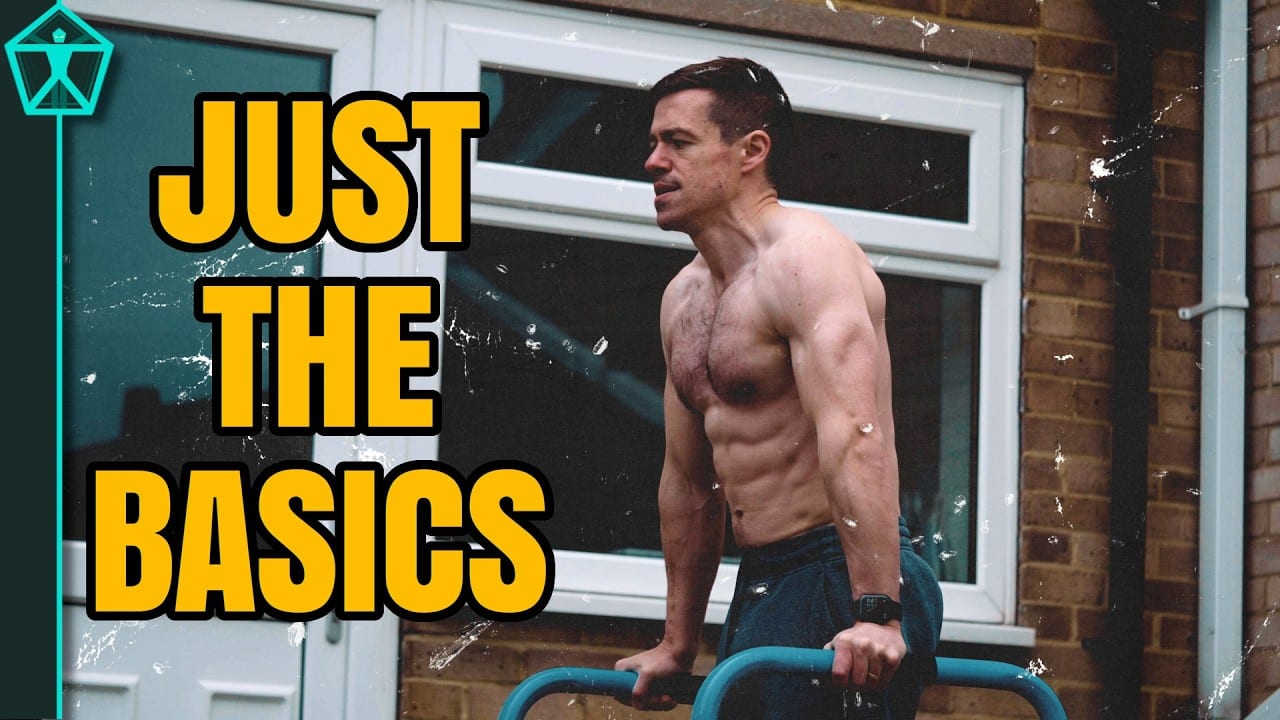
In a recent video, Sinicki makes the case that basic exercises performed consistently at home can deliver impressive results—without the burnout that comes from following elite athlete protocols.
Here’s why getting back to basics might be exactly what your training needs.
Jump to:
The Distraction of Social Media Fitness
According to Sinicki, many fitness enthusiasts lose sight of their original goals because social media constantly pushes extreme standards.
A lot of people forget why they started training in the first place. This is because they get distracted by fitness content on social media that encourages them to chase bodybuilder physiques or powerlifter strength, not realizing that this isn’t the best option for achieving their goals.
The problem? Bodybuilding and powerlifting are sports-specific training methods designed for competitive athletes, not necessarily for someone who simply wants to look great and feel athletic.
Sinicki compares following bodybuilder programs as a beginner to learning to draw from a technical drawing textbook. The skills might be related, but they don’t quite align with what most people actually want.
What You Actually Need: Push-Ups, Dips, and Consistency
Building an impressive physique can be remarkably straightforward. Sinicki emphasizes that all you really need is basic space and fundamental movements.
All you need is a living room or a garden and the basic exercises that have worked for countless people for decades. Push-ups, curls, dips, lunges.
No huge weights required. No need to obsessively track protein. Definitely no expensive supplements necessary.
The frequency doesn’t need to be extreme either. Sinicki points to growing evidence that three to four 30-minute workouts per week are sufficient, provided each session creates meaningful stimulus.
Mind-Muscle Connection Over Brute Effort
Creating stimulus isn’t about grinding yourself into dust with maximum weights. It’s about understanding what triggers growth and developing that crucial mind-muscle connection.
Sinicki explains this means learning what actually activates target muscles and feeling that connection so you can recreate it efficiently in future sessions.
This approach prioritizes quality of contraction over quantity of weight, making training more sustainable and often more effective for aesthetic goals.
The Missing Piece: Fat Loss
Perhaps the most important insight Sinicki shares is about body composition rather than pure muscle building.
A lot of people are actually much closer than they think to looking model-esque. They just need a little bit more size in key places and to strip away the excess fat everywhere else.
The key is eating enough to support training without excess calories, allowing fat to fall away and reveal muscle underneath. This is where many people following traditional bodybuilding advice go wrong.
Conventional wisdom often pushes eating more calories to support heavy lifting while avoiding cardio. But Sinicki argues this prevents people from achieving the lean, athletic look they actually want.
Strength-to-Weight Ratio: The Real Goal
Instead of chasing absolute strength numbers, focusing on strength-to-weight ratio delivers both better aesthetics and better functionality.
This approach allows you to do the things most people actually care about: playing sports, performing cool movements, enjoying martial arts, playing with kids, or simply feeling light, powerful, and pain-free.
Most people don’t need 18-inch arms. 15-inch arms with a bicep vein are often just as impressive.
With this simplified approach, Sinicki claims you can look better than 99% of people you meet in real life—without dedicating your entire existence to training.
The Burnout Factor
Many people with busy lives burn out rapidly when trying to follow bodybuilder programs. The time commitment becomes unsustainable. The copious protein intake leads to unwanted weight gain if training intensity drops.
Even when people successfully build muscle following these programs, the result often doesn’t match the Hollywood physique they imagined because they’ve added size without the necessary leanness.
Sinicki advocates for making workouts functional in the truest sense—they fit into your lifestyle rather than consuming it.
A Practical Starting Point
For those who don’t want to follow a structured program, Sinicki offers straightforward guidance:
- Choose basic exercises: pull-ups, bodyweight squats, shoulder press, push-ups, dips
- Train to or near failure, ensuring you feel stimulus in target muscles
- Leave some energy in reserve for your next workout
- Don’t obsess over adding weight as you progress
- Diversify your movement patterns over time
- Include rotational and lateral plane movements
- Don’t neglect single-leg strength, grip training, and mobility work
- Add some cardiovascular training
Train three to four times weekly, eat appropriately, and results will follow.
The Bottom Line
Building an impressive physique doesn’t require replicating the training of professional athletes. Basic exercises, consistency, proper nutrition, and patience deliver outstanding results for most people.
By remembering why you started training in the first place—likely to look good, feel great, and perform well in daily life—you can avoid the trap of overcomplication that derails so many fitness journeys.
The most effective program isn’t the one with optimal protein timing or perfectly angled bench positions. It’s the one you’ll actually stick with because it fits seamlessly into your life while still providing meaningful stimulus.
Sometimes the most revolutionary fitness advice is simply to get back to basics.