Dr. Rhonda Patrick has a daily smoothie ritual, and it’s not just about taste.
It’s about adding 12 to 14 years to your life.
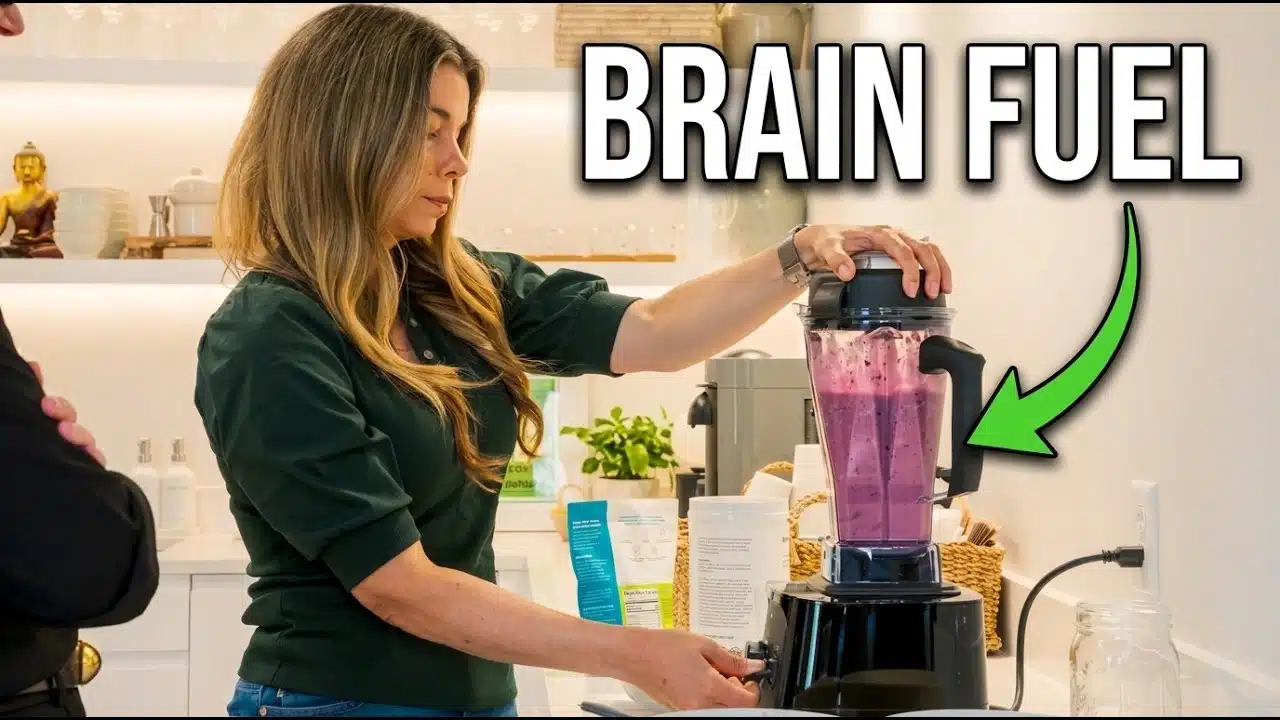
In a recent conversation, she broke down exactly how she makes her nutrient-packed smoothie every single day—and revealed the surprising science behind why certain ingredients work together while others actually cancel each other out.
Spoiler: bananas might be sabotaging your blueberries.
Jump to:
Why Lifestyle Matters More Than Genetics
Before diving into smoothie ingredients, Dr. Patrick emphasized something most people get wrong about longevity.
Really 80% of how long we live and how well we live has to do with our lifestyle.
Genetics? Only about 20 to 25%.
She referenced compelling research from Harvard showing that following just five lifestyle factors starting at age 50 could add between 12 and 14 years to life expectancy. Women who adopted all five lived to about 93 instead of 79. Men reached 86 instead of 74.5 years.
Even better? Those extra years were healthy years—free from cardiovascular disease, diabetes, Alzheimer’s, and cancer.
The Five Life-Extending Factors
- Adopting a healthy dietary pattern (top 40% of alternative healthy eating index)
- Not smoking
- Exercising 3.5 hours per week (moderate or vigorous intensity)
- Limited alcohol consumption (fewer than one drink daily for women, about one for men)
- Maintaining a healthy BMI
Nutrition is where Dr. Patrick focuses her daily energy—specifically, getting four to five servings of fruits and vegetables every day.
The Smoothie Blueprint: Three Cups of Kale
Dr. Patrick starts with kale. Lots of it.
I’m going to get around three servings of kale into that smoothie. Three cups of kale.
One serving equals one packed cup of leafy greens. Getting five servings daily sounds daunting, but cramming three cups into a morning smoothie makes hitting that target surprisingly achievable.
Why kale specifically? It’s loaded with lutein, which protects against macular degeneration and supports brain health—improving cognitive processing speed and fluid intelligence (the kind accumulated over a lifetime). Kale also delivers magnesium, calcium, and vitamin K.
Two and a Half Cups of Blueberries
Next comes blueberries—about two and a half cups of frozen berries.
Dr. Patrick prefers frozen because they’re cheaper than fresh, keep smoothies cold, and retain their nutritional value. She recommends organic when possible to minimize pesticide exposure.
Blueberries contain anthocyanins, polyphenols shown in randomized placebo-controlled trials to improve cognition. One cup daily has demonstrated benefits across age groups—young adults, older adults, even those with mild cognitive decline.
Blueberries have been shown one cup a day to improve cognition. That’s important, right? We all want to improve cognition.
The Banana Problem (And Avocado Solution)
Here’s where things get interesting.
Dr. Patrick used to add bananas for creaminess and taste. Then she learned about polyphenol oxidase—an enzyme in bananas that breaks down beneficial polyphenols.
There have now been studies that have come out showing if you add bananas to blueberries, you’re not getting as many polyphenols. In fact, it’s quite a bit lower.
Bananas essentially cancel out blueberry benefits. Every smoothie shop adds them, but they’re undermining the very ingredients people seek out for health.
The fix? Half an avocado.
Avocado provides the same creamy texture without destroying polyphenols. Better yet, its monounsaturated fat increases bioavailability of lutein and zeaxanthin from kale by fourfold.
Getting rid of the banana makes it where you’re getting all the polyphenols from the blueberries, and then adding the avocado gives you the creaminess, and it helps you super power and get those carotenoids that are in the kale.
Studies confirm this synergy extends to other carotenoid-rich foods like carrots—adding avocado increases beta carotene absorption fourfold.
Optional Add-Ins: Protein and Prebiotic Fiber
Protein Powder for Busy Days
Dr. Patrick aims for 1.2 to 1.6 grams of protein per kilogram of body weight daily. On hectic days when meals get skipped, she adds whey protein powder.
She uses Momentous brand (no affiliation) because it lacks gut-disrupting fillers. One scoop provides 24 grams of protein—helpful when hitting daily targets feels impossible.
Beta-Glucan: The Forever Chemical Fighter
The most surprising addition? Beta-glucan powder made from barley.
This prebiotic fiber feeds beneficial gut bacteria. It’s also been shown to lower LDL cholesterol—the type that builds up in arteries and contributes to cardiovascular disease.
But what really captured Dr. Patrick’s attention was research showing beta-glucans can decrease PFAS (forever chemicals) in the body.
Forever chemicals that last usually last in your body anywhere between two to five years. They’re associated with cancer. It’s really terrible, and we’re being exposed to them all the time, even on our fruits and vegetables.
She now gives beta-glucan to her entire family. The dosage: three tablespoons (3 grams) once daily, though studies showing PFAS reduction used 3 grams three times daily.
One More Thing: Ditch Your Plastic Blender
Dr. Patrick mentioned concerns about microplastic shedding from plastic blenders due to friction during blending.
Glass or metal blenders are safer alternatives for minimizing microplastic exposure.
The Full Recipe
- 3 cups packed kale (organic preferred)
- 2.5 cups frozen blueberries (organic preferred)
- Half an avocado
- 1 scoop protein powder (optional, ~24g protein)
- 3 tablespoons beta-glucan powder (optional)
- Water to blend
Blend until smooth. Enjoy immediately for maximum polyphenol benefits.
Why It Works
This isn’t just another trendy smoothie recipe. It’s strategically designed around nutrient synergy—pairing ingredients that enhance each other’s bioavailability while avoiding combinations that diminish benefits.
Dr. Patrick feels effects immediately after drinking it.
It improves my mood and gives me energy.
Research supports her experience—polyphenols increase blood flow to the brain in older adults, supporting cognitive function and mood.
By front-loading three servings of vegetables and significant fruit intake before noon, hitting daily targets becomes manageable. Add a salad later, and you’ve easily cleared five servings without stress or complicated meal planning.
That’s efficiency. That’s how small daily decisions compound into extra healthy years—potentially more than a decade’s worth.