Jump to:
- Creatine: Currently In The Cycle
- Magnesium: The Next Frontier
- Alcohol: Where Science Finally Landed
- Understanding Mechanisms Versus Just Following Protocols
- Expertise Beyond Credentials
- Practical Takeaways
- The Supplement Acceptance Cycle
- Creatine: Currently In The Cycle
- Magnesium: The Next Frontier
- Alcohol: Where Science Finally Landed
- Understanding Mechanisms Versus Just Following Protocols
- Expertise Beyond Credentials
- Practical Takeaways
Creatine: Currently In The Cycle
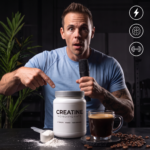
Creatine monohydrate sits firmly in the acceptance phase, particularly because influential female voices have championed its benefits for women.
You know the reason that creatine I don’t think is going to get politically coded is it’s been so heavily pushed by women for women.


Huberman mentioned figures like Rhonda Patrick and Kelly LeVeque promoting creatine to predominantly female audiences, helping overcome concerns about water weight gain.
The Stanford neuroscientist shared his unconventional approach: loading with 30-40 grams daily for a week, then maintaining 10 grams daily, with periodic washout periods every 16 weeks.
It’s actually interesting to see how much strength you hold on to in that week. This is what I am without the assistance of 10 grams of creatine.
While this protocol differs from standard recommendations, it illustrates how practitioners experiment within established frameworks.
Magnesium: The Next Frontier
Both podcasters agreed magnesium represents the next supplement poised for mainstream acceptance. Specifically, magnesium threonate and bisglycinate, which cross the blood-brain barrier more effectively than other forms.
Beyond Sleep Benefits
While magnesium is commonly recommended for sleep when taken 30-60 minutes before bed, Huberman highlighted surprising research from Stanford’s otolaryngology department.
Magnesium protects against hearing loss. The endolymph fluid surrounding hair cells in the inner ear contains significant magnesium, which gets depleted by loud sounds.
This matters because even low-level hearing loss strongly correlates with dementia risk. Less sensory input to the brain accelerates cognitive decline.
Magnesium protects against hearing loss. The endolymph in which the hair cells that vibrate in response to sound is magnesium is a prominent feature of that endolymph and it gets depleted by very loud sound.
Soil Depletion Reality
Modern agricultural practices have genuinely reduced magnesium content in produce. Williamson jokingly summarized this as “your kale of yesterday is not your kale of today.”
This environmental factor, combined with magnesium’s roles in cognition, sleep quality, and hearing protection, positions it for widespread adoption.
Huberman predicted the typical cycle: initial podcaster enthusiasm, followed by scientific validation, mainstream acceptance, then inevitable overcorrection before settling into evidence-based recommendations.
Alcohol: Where Science Finally Landed
Few topics have ping-ponged through public opinion like alcohol consumption. First harmful, then potentially beneficial in moderation, then harmful again.
Recent comprehensive analysis from Stanford researchers Keith Humphreys and colleagues definitively settled the debate.
When you normalize for proper controls and you look at all the studies, you do the meta analysis without fail, zero is better than any.
Previous studies suggesting moderate drinking benefits had fundamentally flawed control groups, often comparing sick people to less sick people rather than true non-drinkers to moderate drinkers.
The corrected analysis shows alcohol increases cancer risk, disrupts sleep architecture, and negatively impacts the microbiome—even at moderate levels.
The Six Months Sober Experiment
Williamson’s personal experience with elective sobriety predated this scientific consensus. Working as a nightclub promoter in Northeast UK, he discovered abstaining from alcohol dramatically improved his productivity.
Elective sobriety as somebody who didn’t have a drinking problem was so beneficial to me as a productivity strategy as a guy in his 20s.
This led him to name his UK company “Six Months Sober Limited” and develop one-on-one coaching programs helping others experience the benefits.
What seemed extreme a decade ago—a club promoter not drinking—now aligns with the low-and-no alcohol movement gaining mainstream traction.
Understanding Mechanisms Versus Just Following Protocols
A recurring theme emerged about why understanding underlying mechanisms matters, even when protocols work without that knowledge.
Williamson described learning from Huberman that combining locomotion with lateral eye movement during morning walks downregulates anxiety—something he’d discovered independently through experience.
I’d been doing morning walk thing for as long as I can remember. If I wake up and I’m on the wrong side of the bed and I go for a walk and I come back, it doesn’t feel as hard as it did before.
Learning the neurological mechanism didn’t make the practice more effective, but it provided crucial flexibility.
Principles Below Principles
Huberman referenced Josh Waitzkin’s concept of understanding “principles below the principles”—the foundational mechanisms underlying specific recommendations.
For example, knowing cortisol elevation at night suppresses morning cortisol through negative feedback explains why late exercise might leave you sluggish the next day. The solution becomes obvious: get more morning sunlight to boost cortisol when you need it.
This deeper understanding prevents rigid protocol-following and enables adaptive strategies across varying circumstances.
- Surface level: Do morning walks for better mood
- Mechanism: Lateral eye movement during locomotion activates specific neural pathways
- Application: Any movement with visual flow works—driving doesn’t count if you’re staring at your phone
Expertise Beyond Credentials
The conversation touched on Derek from More Plates More Dates as an example of expertise transcending traditional credentials.
Despite lacking medical or research degrees, Derek possesses such comprehensive knowledge across multiple levels of granularity that physicians now consult him.
I watched Peter Attia who’s a physician trained at Stanford and Johns Hopkins asking Derek about hormones and Peter is a super smart guy and he has his expertise and so what you saw there was people who have different stacks of principles connecting.
True expertise involves understanding major principles, the principles beneath those, how everything connects, and maintaining relationships with practitioners and researchers across related fields.
Huberman noted this represents why some medical professionals excel beyond their training—they’ve built interconnected knowledge stacks rather than isolated information silos.
The Practitioner Advantage
Both hosts emphasized how practical experience informs expertise differently than pure academic study.
Williamson’s nightclub ownership taught him about human nature and biology through direct observation. Those experiential themes now inform every conversation he conducts.
Similarly, Huberman’s laboratory work and personal experimentation with protocols creates knowledge that purely theoretical understanding cannot replicate.
Practical Takeaways
Several actionable insights emerge from this discussion about supplement trends and health optimization:
- Magnesium supplementation deserves consideration, particularly threonate or bisglycinate forms taken before sleep
- Hearing protection matters more than previously recognized due to dementia connections
- Zero alcohol consumption represents the optimal health choice according to current comprehensive research
- Understanding mechanisms provides flexibility when exact protocols can’t be followed
- Experiment personally with evidence-based interventions rather than waiting for perfect consensus
The supplement acceptance cycle continues regardless of individual adoption. Vitamin D3 and protein have completed their journeys. Creatine nears universal acceptance. Magnesium represents the next frontier.
Recognizing these patterns helps identify genuinely beneficial interventions before mainstream adoption while avoiding premature dismissal of emerging evidence.
Most importantly, building knowledge stacks—understanding not just what works but why it works and how principles interconnect—creates sustainable health optimization rather than rigid protocol dependence.
Supplement trends follow predictable patterns, moving from skepticism to mainstream acceptance before settling into evidence-based consensus.
In a recent conversation, podcasters Chris Williamson and Andrew Huberman dissected which supplements have already made this journey and which ones are next in line.
Their discussion reveals fascinating insights about public health trends, the science of supplementation, and why some nutrients deserve more attention than they’re currently getting.
Understanding these cycles helps separate genuine health interventions from passing fads.
The Supplement Acceptance Cycle
According to the conversation, supplements follow a recognizable trajectory through public consciousness. First comes skepticism, then excitement, followed by backlash, and finally balanced acceptance based on evidence.
Vitamin D3 has completed this journey. Once controversial, it’s now widely recognized as essential for immune function, bone health, and overall wellness.
Protein supplementation followed a similar path, though Williamson noted it became somewhat politicized due to associations with meat consumption and certain political ideologies.
Creatine: Currently In The Cycle
Creatine monohydrate sits firmly in the acceptance phase, particularly because influential female voices have championed its benefits for women.
You know the reason that creatine I don’t think is going to get politically coded is it’s been so heavily pushed by women for women.
Huberman mentioned figures like Rhonda Patrick and Kelly LeVeque promoting creatine to predominantly female audiences, helping overcome concerns about water weight gain.
The Stanford neuroscientist shared his unconventional approach: loading with 30-40 grams daily for a week, then maintaining 10 grams daily, with periodic washout periods every 16 weeks.
It’s actually interesting to see how much strength you hold on to in that week. This is what I am without the assistance of 10 grams of creatine.
While this protocol differs from standard recommendations, it illustrates how practitioners experiment within established frameworks.
Magnesium: The Next Frontier
Both podcasters agreed magnesium represents the next supplement poised for mainstream acceptance. Specifically, magnesium threonate and bisglycinate, which cross the blood-brain barrier more effectively than other forms.
Beyond Sleep Benefits
While magnesium is commonly recommended for sleep when taken 30-60 minutes before bed, Huberman highlighted surprising research from Stanford’s otolaryngology department.
Magnesium protects against hearing loss. The endolymph fluid surrounding hair cells in the inner ear contains significant magnesium, which gets depleted by loud sounds.
This matters because even low-level hearing loss strongly correlates with dementia risk. Less sensory input to the brain accelerates cognitive decline.
Magnesium protects against hearing loss. The endolymph in which the hair cells that vibrate in response to sound is magnesium is a prominent feature of that endolymph and it gets depleted by very loud sound.
Soil Depletion Reality
Modern agricultural practices have genuinely reduced magnesium content in produce. Williamson jokingly summarized this as “your kale of yesterday is not your kale of today.”
This environmental factor, combined with magnesium’s roles in cognition, sleep quality, and hearing protection, positions it for widespread adoption.
Huberman predicted the typical cycle: initial podcaster enthusiasm, followed by scientific validation, mainstream acceptance, then inevitable overcorrection before settling into evidence-based recommendations.
Alcohol: Where Science Finally Landed
Few topics have ping-ponged through public opinion like alcohol consumption. First harmful, then potentially beneficial in moderation, then harmful again.
Recent comprehensive analysis from Stanford researchers Keith Humphreys and colleagues definitively settled the debate.
When you normalize for proper controls and you look at all the studies, you do the meta analysis without fail, zero is better than any.
Previous studies suggesting moderate drinking benefits had fundamentally flawed control groups, often comparing sick people to less sick people rather than true non-drinkers to moderate drinkers.
The corrected analysis shows alcohol increases cancer risk, disrupts sleep architecture, and negatively impacts the microbiome—even at moderate levels.
The Six Months Sober Experiment
Williamson’s personal experience with elective sobriety predated this scientific consensus. Working as a nightclub promoter in Northeast UK, he discovered abstaining from alcohol dramatically improved his productivity.
Elective sobriety as somebody who didn’t have a drinking problem was so beneficial to me as a productivity strategy as a guy in his 20s.
This led him to name his UK company “Six Months Sober Limited” and develop one-on-one coaching programs helping others experience the benefits.
What seemed extreme a decade ago—a club promoter not drinking—now aligns with the low-and-no alcohol movement gaining mainstream traction.
Understanding Mechanisms Versus Just Following Protocols
A recurring theme emerged about why understanding underlying mechanisms matters, even when protocols work without that knowledge.
Williamson described learning from Huberman that combining locomotion with lateral eye movement during morning walks downregulates anxiety—something he’d discovered independently through experience.
I’d been doing morning walk thing for as long as I can remember. If I wake up and I’m on the wrong side of the bed and I go for a walk and I come back, it doesn’t feel as hard as it did before.
Learning the neurological mechanism didn’t make the practice more effective, but it provided crucial flexibility.
Principles Below Principles
Huberman referenced Josh Waitzkin’s concept of understanding “principles below the principles”—the foundational mechanisms underlying specific recommendations.
For example, knowing cortisol elevation at night suppresses morning cortisol through negative feedback explains why late exercise might leave you sluggish the next day. The solution becomes obvious: get more morning sunlight to boost cortisol when you need it.
This deeper understanding prevents rigid protocol-following and enables adaptive strategies across varying circumstances.
- Surface level: Do morning walks for better mood
- Mechanism: Lateral eye movement during locomotion activates specific neural pathways
- Application: Any movement with visual flow works—driving doesn’t count if you’re staring at your phone
Expertise Beyond Credentials
The conversation touched on Derek from More Plates More Dates as an example of expertise transcending traditional credentials.
Despite lacking medical or research degrees, Derek possesses such comprehensive knowledge across multiple levels of granularity that physicians now consult him.
I watched Peter Attia who’s a physician trained at Stanford and Johns Hopkins asking Derek about hormones and Peter is a super smart guy and he has his expertise and so what you saw there was people who have different stacks of principles connecting.
True expertise involves understanding major principles, the principles beneath those, how everything connects, and maintaining relationships with practitioners and researchers across related fields.
Huberman noted this represents why some medical professionals excel beyond their training—they’ve built interconnected knowledge stacks rather than isolated information silos.
The Practitioner Advantage
Both hosts emphasized how practical experience informs expertise differently than pure academic study.
Williamson’s nightclub ownership taught him about human nature and biology through direct observation. Those experiential themes now inform every conversation he conducts.
Similarly, Huberman’s laboratory work and personal experimentation with protocols creates knowledge that purely theoretical understanding cannot replicate.
Practical Takeaways
Several actionable insights emerge from this discussion about supplement trends and health optimization:
- Magnesium supplementation deserves consideration, particularly threonate or bisglycinate forms taken before sleep
- Hearing protection matters more than previously recognized due to dementia connections
- Zero alcohol consumption represents the optimal health choice according to current comprehensive research
- Understanding mechanisms provides flexibility when exact protocols can’t be followed
- Experiment personally with evidence-based interventions rather than waiting for perfect consensus
The supplement acceptance cycle continues regardless of individual adoption. Vitamin D3 and protein have completed their journeys. Creatine nears universal acceptance. Magnesium represents the next frontier.
Recognizing these patterns helps identify genuinely beneficial interventions before mainstream adoption while avoiding premature dismissal of emerging evidence.
Most importantly, building knowledge stacks—understanding not just what works but why it works and how principles interconnect—creates sustainable health optimization rather than rigid protocol dependence.