A lifter who could clean and jerk over 320 pounds and squat over 400 still kept getting flattened by back tweaks.
In a recent YouTube video, a fitness creator explained that raw strength was never his problem.
Years of chasing the wrong question kept him stuck.
Three timed tests, built on Dr. Stuart McGill’s research, reveal whether your spine has stamina to match its strength.
Fail one, and a specific fix is waiting.
Jump to:
Strong Back, Weak Endurance: The Question That Flipped Everything
Every year or so, spasms hit him hard enough that bending over became impossible and training stopped.
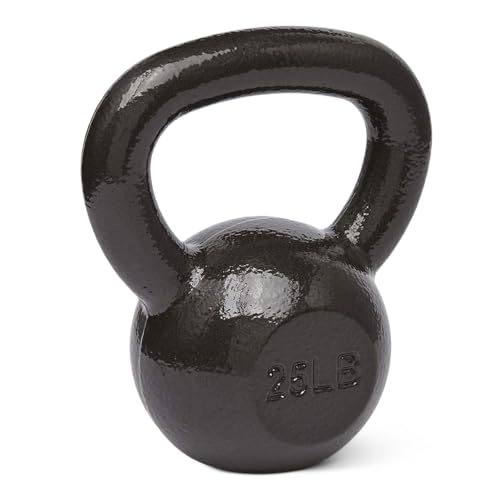
If you want something simple that actually works, this is one of the most effective tools I’ve used to build strength, conditioning, and endurance without needing a full gym setup.
- Full-body training with one weight using swings, squats, and presses
- Solid cast iron build that feels stable and lasts for years
- Comfortable grip that makes high-rep workouts easier to handle
His routine was cracking his back on the floor, waiting out the pain, then rebuilding with heavy back extensions.
I asked, “How strong can my low back be?” He asked, “How long can your spine stay stable?”
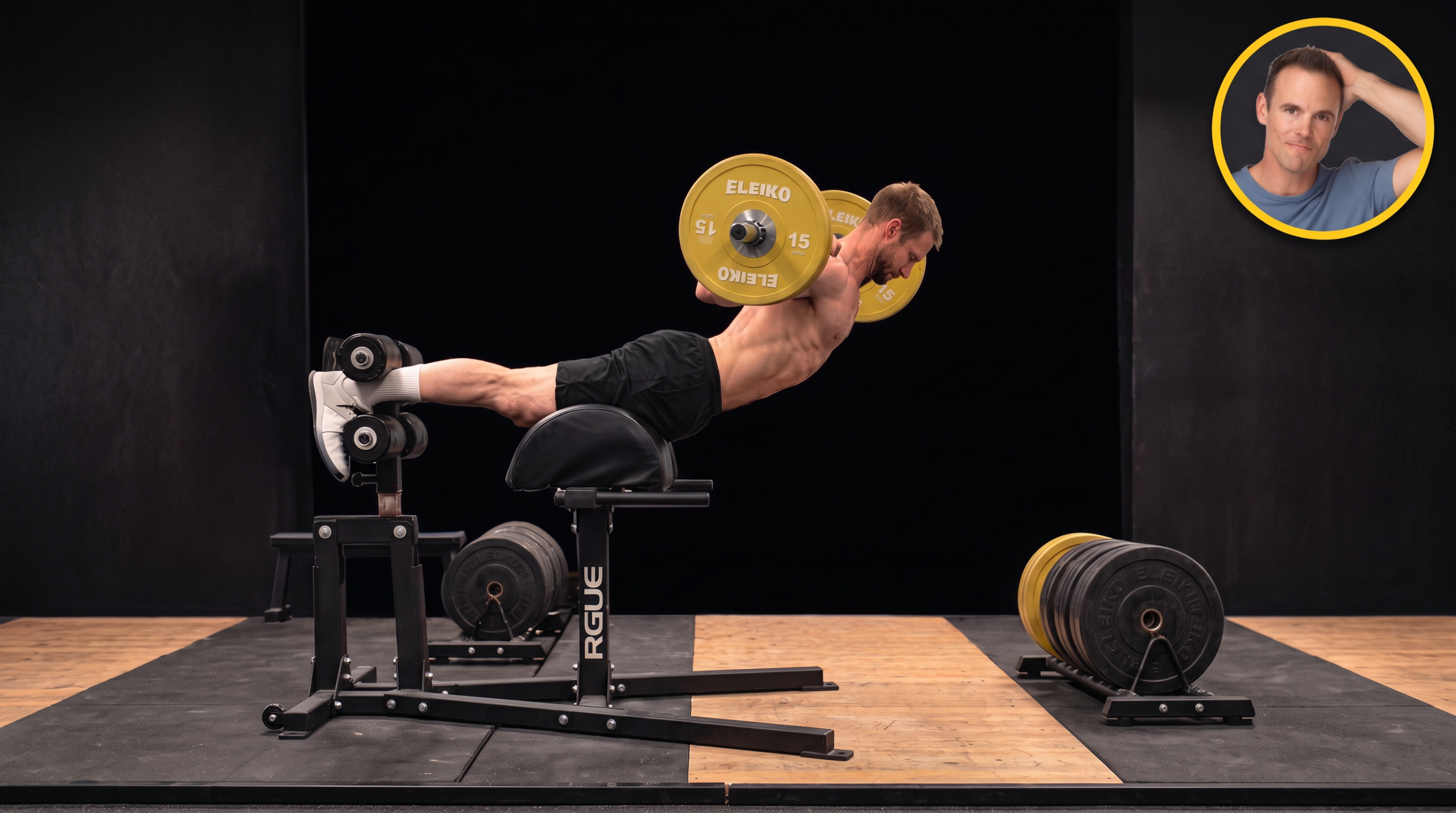
That reframing exposed a blind spot. He could extend with 115 pounds on his back, yet endurance lagged far behind.
A lot of people who have had back pain have lasting core and back endurance deficits that persist far after the original pain has faded.
After he trained stamina alongside strength, he says, no more tweaks.
Test 1: The Sorensen Hold for Back Extensor Endurance
Dating to 1984, this classic assessment needs only a Roman chair or GHD machine plus a timer.
- Setup: Adjust the pad so the top of your pelvis rests over it.
- Position: Hold your body parallel to the floor, hands across your chest.
- Finish: Stop the clock when you drop below parallel.
Most protocols cap this test around 4 minutes.
According to the research he cites, men who couldn’t hold beyond 3 minutes faced a significantly higher risk of low back injury within a year, while those surpassing 198 seconds had a significantly lower risk.
If you want something simple that actually works, this is one of the most effective tools I’ve used to build strength, conditioning, and endurance without needing a full gym setup.
- Full-body training with one weight using swings, squats, and presses
- Solid cast iron build that feels stable and lasts for years
- Comfortable grip that makes high-rep workouts easier to handle
Test 2: Side Plank for Lateral Core Endurance
Position matters here.
- Elbow down, one foot stacked in front of the other.
- Free hand resting on your shoulder.
- Timer ends the second your hips drop.
- Rest about a minute, then test the opposite side.
Record both sides separately. Comparing them matters later.
Test 3: Torso Flexor Hold
No partner? Hook your feet beneath heavy dumbbells.
Lean back to roughly 45 to 50 degrees, then hold. Stop timing once you drift back more than a few inches.
Why Balance Beats Any Single Number
McGill’s norms came from college-aged men and women, yet missing a specific benchmark isn’t cause for panic.
Ratios between your scores tell a richer story. Three red flags to watch:
If you want something simple that actually works, this is one of the most effective tools I’ve used to build strength, conditioning, and endurance without needing a full gym setup.
- Full-body training with one weight using swings, squats, and presses
- Solid cast iron build that feels stable and lasts for years
- Comfortable grip that makes high-rep workouts easier to handle
- Side plank asymmetry: A gap greater than 5% between right and left.
- Flexion versus extension: Torso flexor endurance matching or beating back extensor endurance.
- Weak extensors: Side plank scores exceeding three-quarters of your Sorensen time.
That last pattern signals back extensors not pulling their weight endurance-wise.
A stronger back doesn’t bulletproof you against injuries. A more endurable spine does.
Worth remembering: these are screening tools, not diagnoses. Persistent or radiating pain deserves a professional evaluation.
The McGill Big Three: Your Fix
McGill designed this trio to close endurance gaps. Every movement begins with a light lateral brace.
The Brace Cue
Press fingers into the sides of your abs and relax. Then stiffen until your abs push your fingers outward.
Exercise 1: Modified Curl-Up
- Lie on your back with one knee bent, one leg straight.
- Slide one hand beneath your low back to preserve its natural arch.
- Place your other hand on your lateral abs for feedback.
- Lift head, neck, and shoulders slightly, pivoting from your upper chest.
- Breathe lightly for 10 seconds, then lower.
Your back should never move. Many people can brace, but bracing collapses once breathing starts.
It’ll feel like a switch turning on and off.
Exercise 2: Side Plank
Start in the testing position, brace, pop up, and hold for 10 seconds.
If you want something simple that actually works, this is one of the most effective tools I’ve used to build strength, conditioning, and endurance without needing a full gym setup.
- Full-body training with one weight using swings, squats, and presses
- Solid cast iron build that feels stable and lasts for years
- Comfortable grip that makes high-rep workouts easier to handle
Sensitive backs can begin from the knees, then progress to stacked feet. Because only half your spine works at once, the downside core burns.
Exercise 3: Bird Dog
Often butchered online, this move is a full-body effort rather than a mere core exercise.
- Start on all fours and push the floor away.
- Brace, then lift without letting your back move.
- Extend your arm, make a fist, and keep your foot just an inch or two off the ground.
- Breathe through a 10-second hold, then stay tight until fully returning.
The goal isn’t flexing or extending the spine. It’s creating stiffness and endurance in each position.
How Many Reps and How Often
Four to five reps per diagonal should build serious fatigue, even a light sweat.
He began with six reps of 10-second holds per exercise. As endurance grew, he moved to harder variations.
Today, three to four reps serve as maintenance, even on off days.
If you want something simple that actually works, this is one of the most effective tools I’ve used to build strength, conditioning, and endurance without needing a full gym setup.
- Full-body training with one weight using swings, squats, and presses
- Solid cast iron build that feels stable and lasts for years
- Comfortable grip that makes high-rep workouts easier to handle