In a recent YouTube video, Dr. Berg tackled a statistic that sounds terrifying: prostate cancer is America’s top new cancer diagnosis.
Yet he insists most men diagnosed will never die from it.
How can both things be true?
He also unpacks the confusing PSA blood test and reveals nine surprising reasons a score can spike.
Stick around for three “animal” cancer types that change everything.
Jump to:
Why a Diagnosis Isn’t Always a Death Sentence
By Berg’s numbers, up to 35% of men in their 40s have cancer cells in the prostate, climbing past 55% in their 60s and reaching up to 60% by age 80.

If you want something simple that actually works, this is one of the most effective tools I’ve used to build strength, conditioning, and endurance without needing a full gym setup.
- Full-body training with one weight using swings, squats, and presses
- Solid cast iron build that feels stable and lasts for years
- Comfortable grip that makes high-rep workouts easier to handle
Most never know. Exact figures vary depending on how cases are counted, so treat these as ballpark estimates.
They might die with prostate cancer, but not because of it.
His logic is simple: if the disease were as deadly as diagnosis rates suggest, most men over 60 would already be gone.
Meet the Prostate (and Its Famous Blood Test)
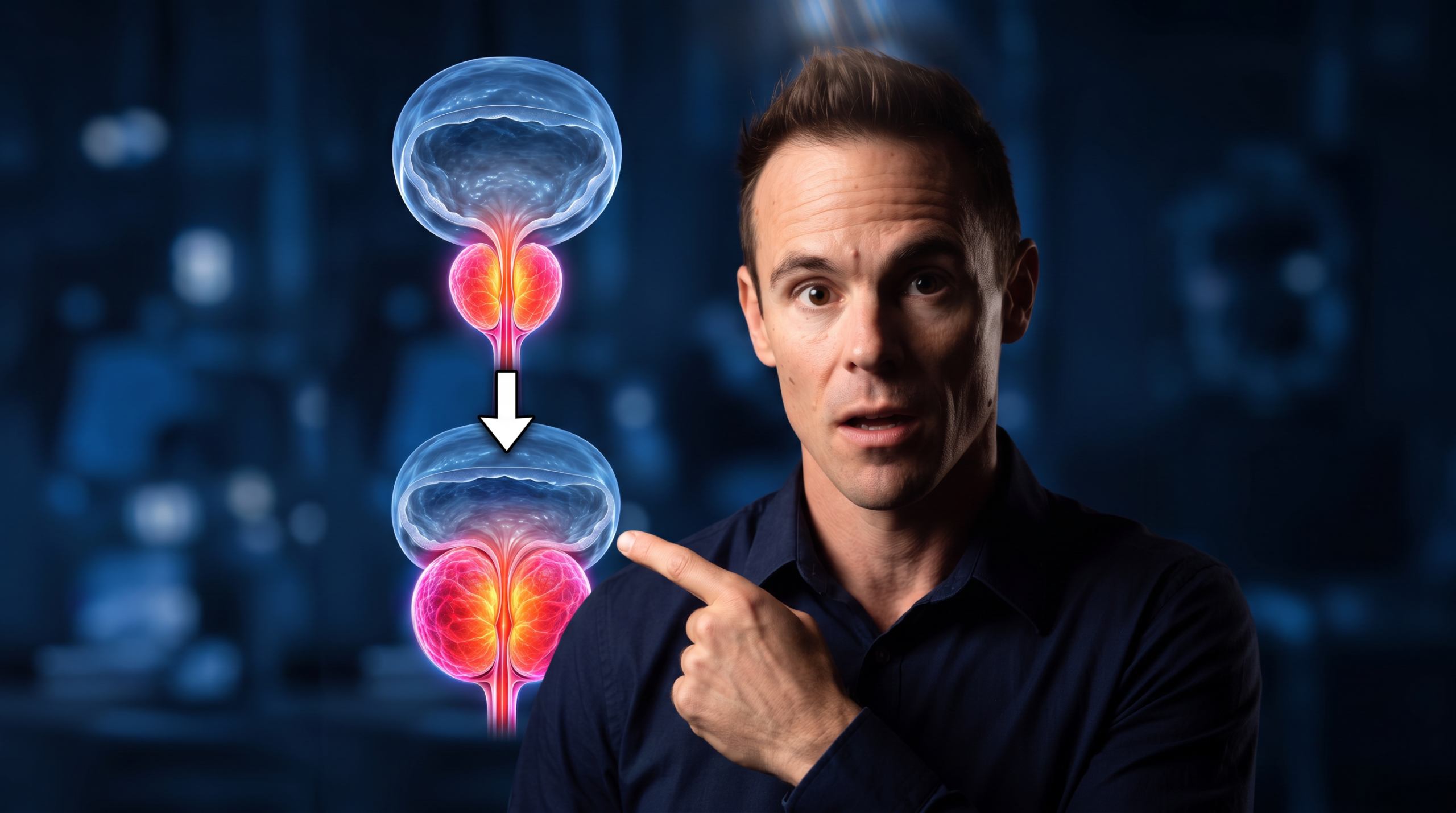
- Location: right below the bladder, wrapping around the urethra
- Normal size: roughly a walnut
- Benign enlargement: can swell to a ping pong ball or even a lemon, sometimes without urinary symptoms
- Job: produces part of semen, including an enzyme that liquefies the gel carrying sperm
That enzyme is prostate-specific antigen (PSA). Some leaks into blood, where a reading under 4 is typically considered normal, though Berg notes debate over that cutoff.
PSA is not a cancer marker.
Berg adds that the scientist who discovered PSA wrote a book arguing precisely that. In his telling, screening became a business, fueling over-diagnosis and complications from biopsies and surgery.
It’s just been a nightmare for men, all revolving around this darn PSA test.
Nine Reasons Your PSA Might Be High
- Enlarged prostate: almost normal with age
- Inflammation in the gland
- Ejaculation within 24 hours of testing
- Vigorous exercise: hard cycling or deadlifts press fluids into the bloodstream
- Digital rectal exam shortly before the draw
- Recent biopsy, since injury releases PSA
- Urinary tract infection
- Certain medications
- Cancer, though men can also have cancer with a normal PSA
Worth remembering: a high number alone proves nothing. Context is everything.
The Turtle, the Slow Bird, and the Rabbit
Berg says “prostate cancer” actually covers three very different conditions.
If you want something simple that actually works, this is one of the most effective tools I’ve used to build strength, conditioning, and endurance without needing a full gym setup.
- Full-body training with one weight using swings, squats, and presses
- Solid cast iron build that feels stable and lasts for years
- Comfortable grip that makes high-rep workouts easier to handle
- The turtle (40 to 50%): almost never causes trouble
- The slow bird (30 to 40%): less dangerous and treatable with few complications
- The rabbit (10 to 20%): aggressive, likely spreading, and needs treatment
PSA alone cannot tell them apart. So what should a savvy doctor check?
PSA Velocity
Direction matters more than a single snapshot. A jump from 2 to 7 within a year, or a rise above 0.75 ng/mL per year, is a red flag.
Prostate Health Index (PHI)
This test can be done before any biopsy. Berg’s reasoning is blunt.
If you have a turtle, why would you want to do a biopsy or remove the prostate?
He also cites an estimated 37 days of life gained from PSA screening, weighed against the fears and procedures that follow. Berg stops short of telling men to skip it.
I’m not telling you not to do it. I’m just giving you the data so you can do your own research.
Screening choices are personal, so discuss family history and risk with a physician before deciding.
What Makes the Prostate Grow?
Berg names several culprits behind enlargement and, he argues, deeper disease risk.
If you want something simple that actually works, this is one of the most effective tools I’ve used to build strength, conditioning, and endurance without needing a full gym setup.
- Full-body training with one weight using swings, squats, and presses
- Solid cast iron build that feels stable and lasts for years
- Comfortable grip that makes high-rep workouts easier to handle
- DHT: a powerful testosterone form that can drive growth, produced by an enzyme that some medications and natural compounds inhibit
- Low vitamin D: prostate cells can activate the vitamin on their own, without help from liver or kidneys
- Insulin: a growth hormone that sensitizes androgen receptors and raises insulin-like growth factor
- Xenoestrogens: estrogen-mimicking chemicals in plastics and other industrial products
- Zinc shortfalls: the gland needs this mineral for smooth testosterone-to-DHT conversion
On vitamin D, Berg highlights one study showing that:
sufficient vitamin D was able to slow the growth of the prostate by 40% despite what’s going on with DHT.
That’s an intriguing claim, though one study rarely settles a question. Consider it a promising lead rather than established fact.
Berg’s Prostate-Protection Checklist
- Test vitamin D. Berg suggests a level between 50 and 70, and possibly 90 or higher with a cancer diagnosis, only with a doctor’s approval.
- Check fasting insulin. His target: under 5, which supports whole-body health.
- Dodge estrogen-like chemicals in plastics, pesticides, insecticides, and herbicides.
- Get enough zinc, since the prostate depends on it.
- Try intermittent or prolonged fasting to lower insulin and calm inflammation.
The Fasting Story
Berg recalls interviewing a man whose rabbit-type cancer had metastasized throughout his body. Berg says the man should have died 7 years earlier, yet credits aggressive fasting for his survival.
One compelling story isn’t proof, and fasting is not a substitute for medical care. Anyone facing aggressive cancer should build a plan with an oncology team first.
The takeaway? A prostate diagnosis demands understanding, not panic. Knowing which type you face, and what truly moves your PSA, can protect both your health and your peace of mind.