

Chicken thighs might be one of the most underrated cuts of meat in the grocery store.
For just a couple of dollars, home cooks can transform this humble protein into restaurant-quality dishes that rival anything served at high-end establishments.
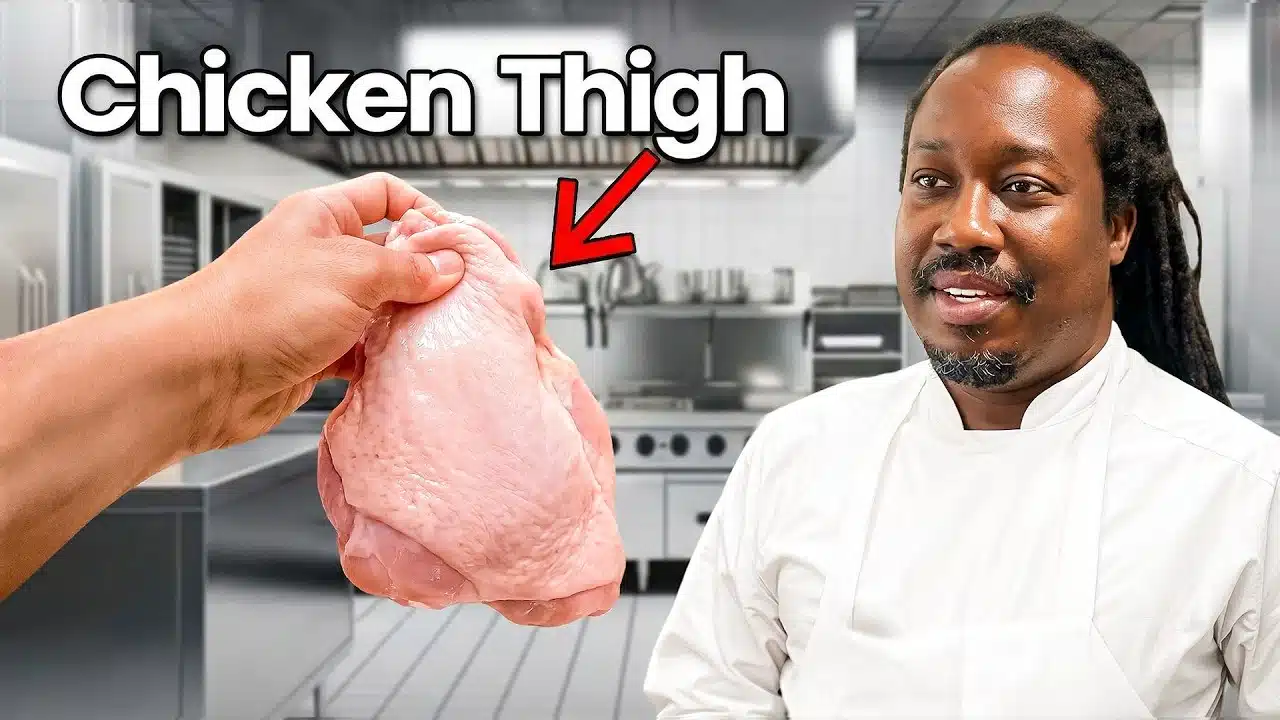
Recently, four renowned chefs from different culinary backgrounds demonstrated their unique approaches to cooking chicken thighs, each bringing their cultural heritage and technical expertise to create unforgettable meals.
From South African-inspired peri peri to Japanese yakitori, these cooking methods reveal the incredible versatility hidden in a simple chicken thigh.
Jump to:
The Michelin-Awarded Peri Peri Fried Chicken Sandwich
Chef India Doris, recent winner of Michelin’s Young Chef Award, showcased her talent for blending tradition with modern technique through a spectacular fried chicken sandwich with peri peri sauce.
Her approach begins with deboning the chicken thigh, a process she makes look deceptively simple.
If you ever get lost, just use your knife to tap against it. If you’re leaning against it, you’ll never get lost.
Layering Flavor Through Strategic Seasoning
Chef India’s method involves seasoning both the wet and dry components of her coating. She mixes garlic powder, onion powder, Kashmir chili, and smoked paprika into buttermilk before creating a complex dry batter.
The dry mixture combines rice flour, cornstarch, paprika, coriander powder, and even basil leaves.
When you put it in, you really want to rough it up in there because you want to get the nice crispy bits.
She fries the chicken at 350°F for four to five minutes, creating texture that’s both crunchy and juicy. Her secret weapon? Crispy chicken skin baked separately between silicone mats, adding an extra layer of crunch to her house-made coconut buns.
What Makes Great Peri Peri Chicken
The chicken needs to have a nice grilled char to it. The sauce needs to have the spiciness of the chili. And I like to put a nice bit of vinegar in there for acid and then smokiness from the paprika.
Chef India’s sandwich also features red cabbage mixed with pepper vinaigrette—a combination of black pepper, white pepper, and pink peppercorns.
Traditional Japanese Yakitori With 40 Years of Expertise
Chef Tadashi Ono brought four decades of culinary experience to his yakitori preparation, demonstrating efficiency that only comes from years of practice.
His deboning technique takes seconds, and his portioning creates perfect half-inch cubes ideal for skewering.
The Ten-Thousand-Year Sauce
Perhaps most fascinating is Chef Tadashi’s yakitori sauce, which follows traditional tare methodology.
We call it manandere. That means 10,000 years sauce. Because we don’t make new. Every time we make more and we just add into it.
His sauce uses a 2:1 ratio of mirin and soy sauce to Japanese brown sugar (500g:500g:250g), brought to a boil over high heat.
The Critical Timing Technique
Chef Tadashi’s grilling method relies on perfectly timed cycles. He starts with salt seasoning on both sides, then employs a strategic searing and soaking process.
You want to do a nice sear so the moisture evaporates, and then that’s when you put it into the sauce. You’re going to keep putting it over the fire. Once it gets dried up, you put it back in to soak in more of that flavor.
This process repeats three to four times, creating deeply flavored yakitori. While bincho charcoal adds authentic smokiness, Chef Tadashi notes home cooks can achieve excellent results with alternative methods.
Caribbean Calypso Chicken From Dominica
Chef Paul Carmichael from Kaba introduced calypso chicken, a beloved dish from the tiny island of Dominica featuring cashews, red wine, and layers of Caribbean flavor.
Starting With Caribbean Tradition
This is very Caribbean. You always wash our chicken.
Chef Paul begins by squeezing lime juice over the chicken thighs, followed by generous salt. He seasons the bottom side with pepper, allspice, and nutmeg to prevent burning during the searing process.
Building Complex Flavors
After searing the skin side until golden, Chef Paul drains excess fat and flips the chicken. Then comes an avalanche of aromatics:
- Generous amounts of fresh ginger
- Green seasoning (Caribbean herb paste)
- Fresh thyme and bay leaves
- Guava jelly brushed on the skin for sweetness
- Mushrooms for earthiness
- Red wine for braising
The combination creates a sauce that’s rich yet bright. Chef Paul finishes with chicken stock and roasts everything at 350°F for five minutes to glaze the skin.
Final touches include cashews, fresh ginger, brown butter, and scallions. The result is described as having “the ultimate tier of gravy sauce”—super rich but with surprising lightness and brightness.
Harlem-Inspired Fried Chicken With Three-Day Brine
Chef Neil Snorren from Red Rooster Harlem demonstrated what might be the most time-intensive but rewarding approach: fried chicken that’s been brined for three days.
Three days is the ultimate time to brine the chicken.
The Double-Fry Technique
Chef Neil’s coating combines regular flour with cornmeal for extra crunch, plus eight different spices: crushed red peppers, ginger, coriander, paprika, turmeric, onion powder, cumin, and oregano.
After breading, he refrigerates the chicken overnight in the dry batter—an unconventional step that yields remarkable results.
We want this to get wet. The wetness creates a barrier when it starts cooking. So it’s going to start cooking the chicken without absorbing any of the oil. And then once all the moisture is gone, then it crisps it up.
His frying process involves cooking at 360°F for 10-12 minutes, resting, then a final fry at 380°F for one minute.
Restaurant-Level Service at Home
You can pre-fry it and then once you serve, you just do that last fry. I can serve you a perfectly juicy crispy chicken in under 2 minutes.
Chef Neil serves his fried chicken with three sauces, collard greens, and garlic mashed potatoes. His technique produces chicken so crispy that the skin separates slightly, with fat completely rendered while maintaining incredible juiciness.
Key Takeaways From Four Master Chefs
Despite vastly different approaches, these chefs share common principles that home cooks can apply:
- Keep the skin on for flavor, moisture, and texture
- Layer seasoning throughout the cooking process rather than relying on surface salt
- Time and patience matter—whether three-day brines or repeated glazing cycles
- Moisture management is critical—from brining to resting to strategic frying temperatures
- Cultural ingredients add dimension—guava jelly, coconut milk, Japanese brown sugar, or Kashmir chili
Chicken thighs offer home cooks incredible value and versatility. Whether pursuing crispy fried perfection, smoky yakitori, rich Caribbean braises, or fusion sandwiches, this affordable cut rewards technique and creativity with restaurant-quality results that cost just dollars per serving.










