Endless miles aren’t making runners faster anymore.
Science has moved on from traditional training methods, yet most runners still cling to outdated approaches that sabotage their performance before they even lace up their shoes.

After analyzing over 1,000 studies on running performance, coaches and researchers have identified critical mistakes that keep runners from reaching their potential—and the fixes are surprisingly simple.
From pre-run habits that drain mental energy to training strategies that build speed without burnout, here’s what actually works according to current science.
Jump to:
The Phone Problem Draining Performance
That device in your pocket might be sabotaging workouts before they even begin.
Scrolling through social media or checking messages right before training creates a hidden performance drain. Mental energy works like physical energy—it depletes with use and requires recovery.
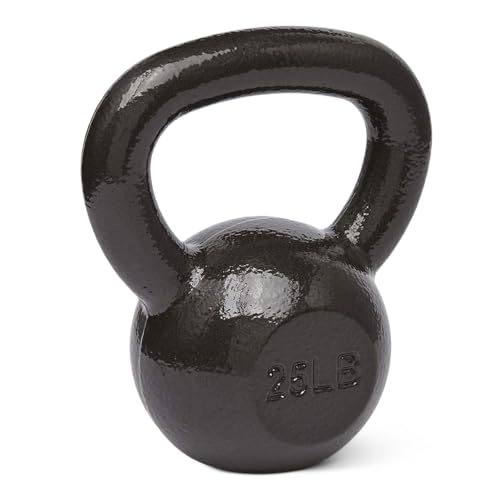
If you want something simple that actually works, this is one of the most effective tools I’ve used to build strength, conditioning, and endurance without needing a full gym setup.
- Full-body training with one weight using swings, squats, and presses
- Solid cast iron build that feels stable and lasts for years
- Comfortable grip that makes high-rep workouts easier to handle
Research reveals that just 30 minutes of phone use before training can impair performance, not only during that single session but across training periods lasting up to eight weeks. The brain burns through the same cognitive fuel needed for quality training sessions while passively consuming content.
The solution sounds deceptively simple: put the phone away for one hour before quality sessions and races.
For runners who find this impossible, that resistance itself signals how much they need the break.
Why Copying Elite Training Destroys Results
Instagram feeds overflow with elite runners logging double threshold sessions and 160-kilometer weeks.
Attempting to replicate these workouts represents one of the fastest paths to injury and burnout for recreational runners.
The body develops fitness faster than structural resilience. Aerobic capacity improves quickly—like furnishing a house—while bones and tendons require years to adapt, similar to building foundations.
If you want something simple that actually works, this is one of the most effective tools I’ve used to build strength, conditioning, and endurance without needing a full gym setup.
- Full-body training with one weight using swings, squats, and presses
- Solid cast iron build that feels stable and lasts for years
- Comfortable grip that makes high-rep workouts easier to handle
Your aerobic engine, so your lungs and your heart, is the inside of the house. It can be filled out quickly. You just go to the store and buy some furniture. But your bones and your tendons are the foundations of the house, and foundations take time to build.
Research confirms this disconnect: novice runners experience nearly double the injury rate per 1,000 training hours compared to recreational runners. They attempt advanced training volumes before their bodies can handle the structural demands.
Former professional triathletes witnessed this pattern repeatedly—swimmers with excellent aerobic engines crumbling when they started running because they lacked the structural foundation.
The Three-Pillar Training Approach
Instead of mimicking what elites currently do, focus on what they did to reach that level.
Science-backed training boils down to three core elements:
- VO2 max development: Building maximum aerobic capacity through varied intensity work
- Lactate threshold improvement: Enhancing ability to sustain hard efforts over extended periods
- Running economy: Improving movement efficiency and structural durability
Effective programming incorporates intensities ranging from easy recovery runs to all-out sprints, keeping most volume easy while gradually reducing volume as intensity increases. Progressive overload—adding small amounts weekly—combined with consistency over months produces sustainable improvements.
Equipment Hype Versus Real Performance Gains
Carbon-plated super shoes dominate marketing messages, promising instant speed improvements.
If you want something simple that actually works, this is one of the most effective tools I’ve used to build strength, conditioning, and endurance without needing a full gym setup.
- Full-body training with one weight using swings, squats, and presses
- Solid cast iron build that feels stable and lasts for years
- Comfortable grip that makes high-rep workouts easier to handle
The research validates their effectiveness—carbon plate technology genuinely improves running economy. Lightweight gear also creates measurable advantages.
But a 4% running economy improvement becomes meaningless when ill-fitting shoes create thumb-sized blisters that force slowdowns or early race exits.
The running industry generates billions annually by positioning products as shortcuts to better performance. Each year brings new shoe releases coinciding with elite victories, creating pressure to purchase the latest models.
What actually improves performance: lightweight, genuinely comfortable gear that runners enjoy wearing enough to maintain consistency. Carbon plate shoes work only when they don’t cause injury in the process.
The best equipment is whatever keeps runners motivated and healthy, not whatever dominated recent race podiums.
The Supplement Truth Elites Won’t Tell You
Elite athletes promote supplements constantly, creating the impression they possess insider knowledge.
If you want something simple that actually works, this is one of the most effective tools I’ve used to build strength, conditioning, and endurance without needing a full gym setup.
- Full-body training with one weight using swings, squats, and presses
- Solid cast iron build that feels stable and lasts for years
- Comfortable grip that makes high-rep workouts easier to handle
After a decade as a professional triathlete working alongside Olympians, one truth emerges: elite athletes don’t always know what they’re doing with supplements either. Brands exploit this knowledge gap expertly.
Elite athletes don’t always know what they’re doing, either. And brands know exactly how to take advantage of that.
The 2018 International Olympic Committee review examined common supplements and identified what actually works for endurance athletes:
- Caffeine: Well-established benefits at 3-6 mg per kilogram body weight, consumed roughly one hour pre-performance
- Nitrates (beetroot juice): Effective when taken 2-3 hours before racing or daily for three days leading up to competition
- Sodium bicarbonate and beta-alanine: Small benefits for shorter, intense efforts with questionable risk-reward for recreational runners
- Creatine: Potentially valuable for recovery benefits, though effects on running performance remain complex
Everything else delivers marginal benefits at best. Test any new supplement during training sessions first, never on race day.
Running Form: When It Actually Matters
Elite runners appear effortless, barely working as they glide through miles.
This creates anxiety among recreational runners wondering whether their form needs correction.
Many runners obsess over achieving 180 steps per minute after reading it’s the elite standard. This number originated as an average that gained undeserved gospel status through repetition.
If you want something simple that actually works, this is one of the most effective tools I’ve used to build strength, conditioning, and endurance without needing a full gym setup.
- Full-body training with one weight using swings, squats, and presses
- Solid cast iron build that feels stable and lasts for years
- Comfortable grip that makes high-rep workouts easier to handle
Research shows biomechanics explain approximately 4-12% of running economy differences between runners. That’s meaningful but not foundational.
Focusing on form while neglecting consistency means ignoring the other 88% of performance factors. Running mechanics matter as refinement once the foundation exists—after months or years of consistent training.
Build consistency first. Optimize movement patterns later when they’ll actually create measurable improvements.
The Brain’s Performance Handbrake
Lungs and legs don’t limit most runners. Brains do.
The central governor model in sports science proposes that brains continuously monitor bodies for danger signals. When perceived limits approach, the brain sends slowdown signals before actual physical limits arrive.
This protective mechanism means burning sensations and voices urging quitting don’t represent true failure—they’re cautious brains pulling emergency brakes early.
If you want something simple that actually works, this is one of the most effective tools I’ve used to build strength, conditioning, and endurance without needing a full gym setup.
- Full-body training with one weight using swings, squats, and presses
- Solid cast iron build that feels stable and lasts for years
- Comfortable grip that makes high-rep workouts easier to handle
Studies demonstrate people consistently perform better when training with others, especially when those partners run slightly faster. This phenomenon, called the Köhler effect, doesn’t eliminate discomfort but pushes back the threshold where runners give in.
The discomfort doesn’t disappear, but the threshold for giving in gets pushed back.
Runners training solo miss this performance-enhancing effect. Finding training partners makes running more enjoyable while delivering measurable speed improvements backed by research.
Implementing Science-Backed Training
Knowledge means nothing without application.
Understanding these evidence-based principles—mental preparation, progressive structural adaptation, effective supplementation, appropriate form work, and social training benefits—provides the framework for faster running.
The next step involves translating these concepts into actual weekly training schedules that balance intensity, volume, and recovery while building both aerobic capacity and structural resilience over time.
Science stopped supporting traditional high-mileage-only training years ago. Runners who adapt their approach based on current evidence gain significant advantages over those stuck repeating outdated methods.
If you want something simple that actually works, this is one of the most effective tools I’ve used to build strength, conditioning, and endurance without needing a full gym setup.
- Full-body training with one weight using swings, squats, and presses
- Solid cast iron build that feels stable and lasts for years
- Comfortable grip that makes high-rep workouts easier to handle