Chronic inflammation silently fuels some of modern medicine’s most devastating diseases—heart disease, diabetes, autoimmune disorders, even Alzheimer’s.
But according to human biologist Gary Brecka, host of the Ultimate Human Podcast, understanding how to manage inflammation can dramatically improve both health span and longevity.
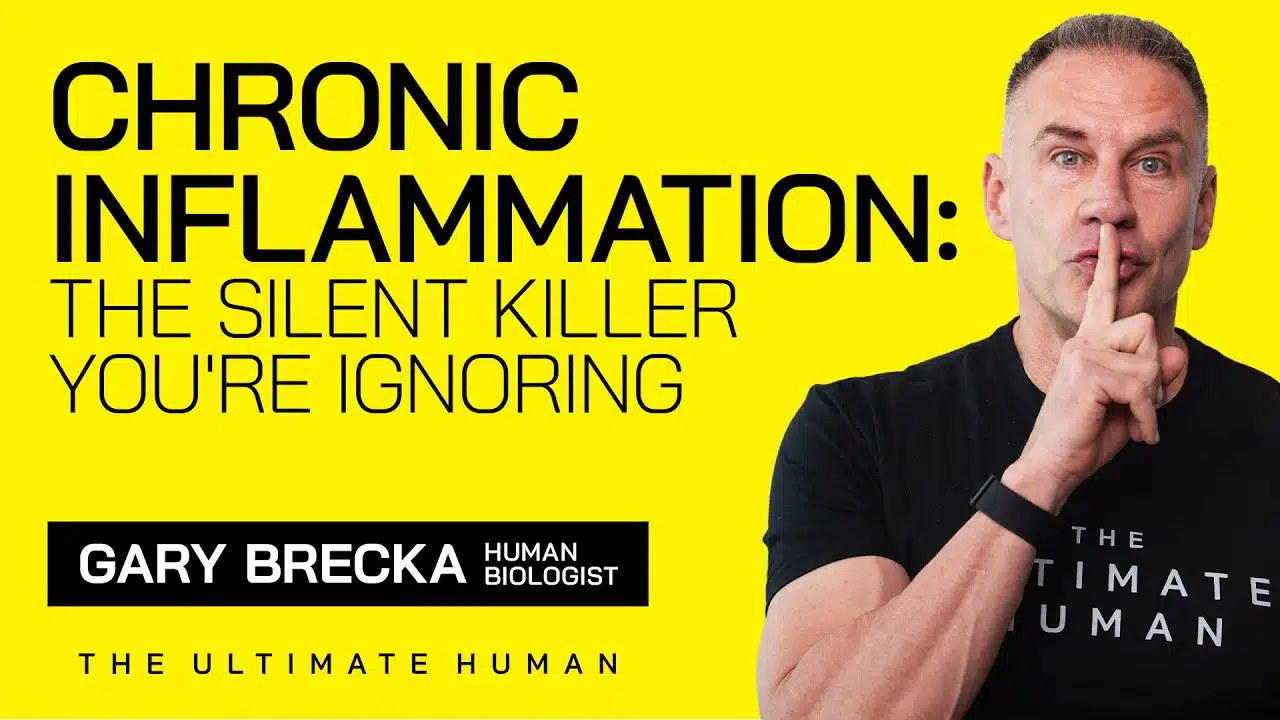
In a recent podcast episode, Brecka broke down exactly how to identify if inflammation is wreaking havoc on your body—and more importantly, what actionable steps you can take today to fight back.
The science-backed strategies he shares aren’t complicated biohacks requiring expensive equipment or radical lifestyle overhauls.
Jump to:
- When Good Inflammation Goes Bad
- Five Red Flags Your Body Is Inflamed
- The Anti-Inflammatory Diet Blueprint
- Move Your Body, Calm Your Inflammation
- Sleep: The Foundation of Inflammation Control
- Hydration With a Mineral Twist
- Biohacking Inflammation: Cold Exposure and Red Light
- Strategic Supplementation
- Small Changes, Massive Impact
When Good Inflammation Goes Bad
Inflammation isn’t inherently evil. It’s actually a critical healing mechanism.
When you cut your finger or catch a cold, inflammation rushes to the scene like emergency responders. The problem emerges when inflammation never leaves—when it becomes chronic.
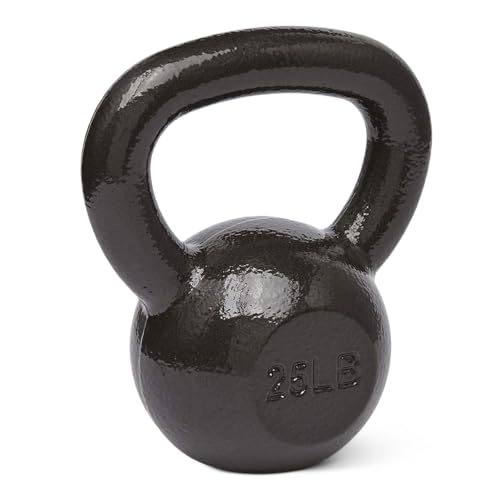
If you want something simple that actually works, this is one of the most effective tools I’ve used to build strength, conditioning, and endurance without needing a full gym setup.
- Full-body training with one weight using swings, squats, and presses
- Solid cast iron build that feels stable and lasts for years
- Comfortable grip that makes high-rep workouts easier to handle
Chronic inflammation is at the root of many of the most serious diseases including heart disease, diabetes, and even autoimmune disorders.
Research published in Nature Reviews Immunology confirms that chronic inflammation disrupts normal cellular functions, creating a cascade of health problems from cardiovascular disease to neurodegenerative conditions.
Five Red Flags Your Body Is Inflamed
Brecka outlined specific warning signs that inflammation might be compromising your health:
- Persistent fatigue: Constant tiredness signals your body is fighting an inflammatory battle
- Joint pain and stiffness: Chronic inflammation attacks joints, causing swelling and discomfort
- Digestive chaos: Bloating, diarrhea, or irritable bowel syndrome often indicate gut inflammation
- Skin eruptions: Rashes, acne, and eczema manifest inflammation externally
- Frequent infections: Paradoxically, chronic inflammation can suppress immune function
The mechanism behind this involves inflammatory cytokines—chemical messengers released by your immune system. When these remain chronically elevated due to poor diet, sedentary lifestyle, or environmental toxins, they shift from protector to destroyer.
The Anti-Inflammatory Diet Blueprint
Diet represents the most powerful lever for controlling inflammation, according to Brecka and research from Harvard Health.
Foods That Fight Inflammation
- Colorful fruits and vegetables packed with antioxidants
- Nuts providing healthy fats and minerals
- Fatty fish like salmon and sardines rich in omega-3s
- Olive oil and avocados loaded with monounsaturated fats
Inflammation Accelerators To Avoid
Avoiding at all costs processed food, sugary beverages, refined carbs, and something called trans fatty acids—things like margarine and manufactured fats.
Brecka recommends starting your day with an anti-inflammatory smoothie combining berries, spinach, chia seeds, and a splash of turmeric for immediate benefits.
Move Your Body, Calm Your Inflammation
Physical activity directly decreases inflammatory markers circulating through your bloodstream.
If you want something simple that actually works, this is one of the most effective tools I’ve used to build strength, conditioning, and endurance without needing a full gym setup.
- Full-body training with one weight using swings, squats, and presses
- Solid cast iron build that feels stable and lasts for years
- Comfortable grip that makes high-rep workouts easier to handle
Brecka suggests aiming for at least 150 minutes of moderate-intensity exercise weekly—brisk walking, cycling, or yoga all qualify. Even short walks throughout the day, which he calls “the most overlooked thing in all of modern medicine,” provide measurable anti-inflammatory benefits.
Sleep: The Foundation of Inflammation Control
Poor sleep correlates directly with elevated inflammation levels, particularly neuroinflammation in the brain.
Brecka outlined his personal sleep optimization protocol:
- Target 7-9 hours nightly
- Keep rooms completely dark
- Unplug electronics six feet from your head
- Stop screen time before bed
- Eliminate alcohol consumption
- Finish eating two hours before bedtime
- Practice breathwork once in bed
- Add an eye mask
- Maintain room temperature at 68-69°F
Poor sleep is linked to higher levels of inflammation, so aim for 7 to 9 hours of quality sleep per night.
Hydration With a Mineral Twist
Dehydration itself triggers inflammatory responses. But Brecka emphasizes that water alone isn’t enough.
Adding a pinch of Baja Gold sea salt or Celtic salt to drinking water throughout the day keeps you hydrated and mineralized while helping flush out inflammation-causing toxins.
He’s particularly enthusiastic about hydrogen water, pointing listeners to hydrogensstudies.com for peer-reviewed research. For those on a budget, hydrogen water tablets offer an affordable alternative to expensive bottles—costing less than a dollar daily.
If you want something simple that actually works, this is one of the most effective tools I’ve used to build strength, conditioning, and endurance without needing a full gym setup.
- Full-body training with one weight using swings, squats, and presses
- Solid cast iron build that feels stable and lasts for years
- Comfortable grip that makes high-rep workouts easier to handle
Biohacking Inflammation: Cold Exposure and Red Light
Cold Therapy Without the Price Tag
Fancy ice baths aren’t necessary to harness cold’s anti-inflammatory power.
You don’t need fancy cold plunges or to spend money on fancy equipment, but you are going to take a shower and you might as well get the inflammation reducing benefits of doing 30 seconds to three minutes of cold at the end of your shower.
Cold exposure constricts blood vessels, reduces swelling, stimulates the vagus nerve, and triggers an anti-inflammatory response. Brecka promises that seven consecutive days will turn skeptics into believers.
Red Light Therapy Goes Mainstream
Photobiomodulation—exposure to specific wavelengths of red light—has emerged as a powerful inflammation fighter with minimal downsides.
Full-body red light beds are appearing in clinics and gyms, but affordable home panels offer decent penetration depth. These devices support collagen, elastin, and fibrin production while improving microvascular circulation to organs like the liver, lungs, pancreas, kidneys, and eyes.
Strategic Supplementation
Brecka highlighted two supplements with robust anti-inflammatory evidence:
Omega-3 fatty acids from fish oil act as potent anti-inflammatories. Most people’s omega-3 to omega-6 ratio sits dangerously out of balance, making supplementation particularly valuable for reducing inflammatory cytokine production.
If you want something simple that actually works, this is one of the most effective tools I’ve used to build strength, conditioning, and endurance without needing a full gym setup.
- Full-body training with one weight using swings, squats, and presses
- Solid cast iron build that feels stable and lasts for years
- Comfortable grip that makes high-rep workouts easier to handle
Turmeric and curcumin contain active compounds with powerful anti-inflammatory properties. Studies demonstrate effectiveness comparable to some pharmaceutical anti-inflammatory drugs, making these roots excellent additions for anyone suffering from inflammatory conditions.
Small Changes, Massive Impact
Brecka’s approach centers on accessible, sustainable modifications rather than overwhelming transformations.
Managing stress through mindfulness, meditation, or yoga lowers inflammatory responses. Movement incorporated throughout the day—not just formal exercise—provides continuous anti-inflammatory benefits. Even breath work practices, which Brecka details in separate tutorials, help quiet inflammatory pathways.
Remember, small consistent changes in your daily routine can make a big difference.
The message is clear: reducing chronic inflammation doesn’t require extreme measures or expensive interventions. Simple, evidence-based lifestyle adjustments—better food choices, regular movement, quality sleep, proper hydration, occasional cold exposure, and targeted supplements—create profound shifts in inflammatory status and overall well-being.
By addressing inflammation at its root through these practical strategies, you’re not just managing symptoms. You’re fundamentally changing your body’s internal environment, potentially adding years to your life and life to your years.