A humble tin of sardines may be doing more for your health than a bottle of fish oil capsules.
In a recent Verywell Health article on the viral “sardinemaxxing” trend, one body of research stood out as hard to ignore.
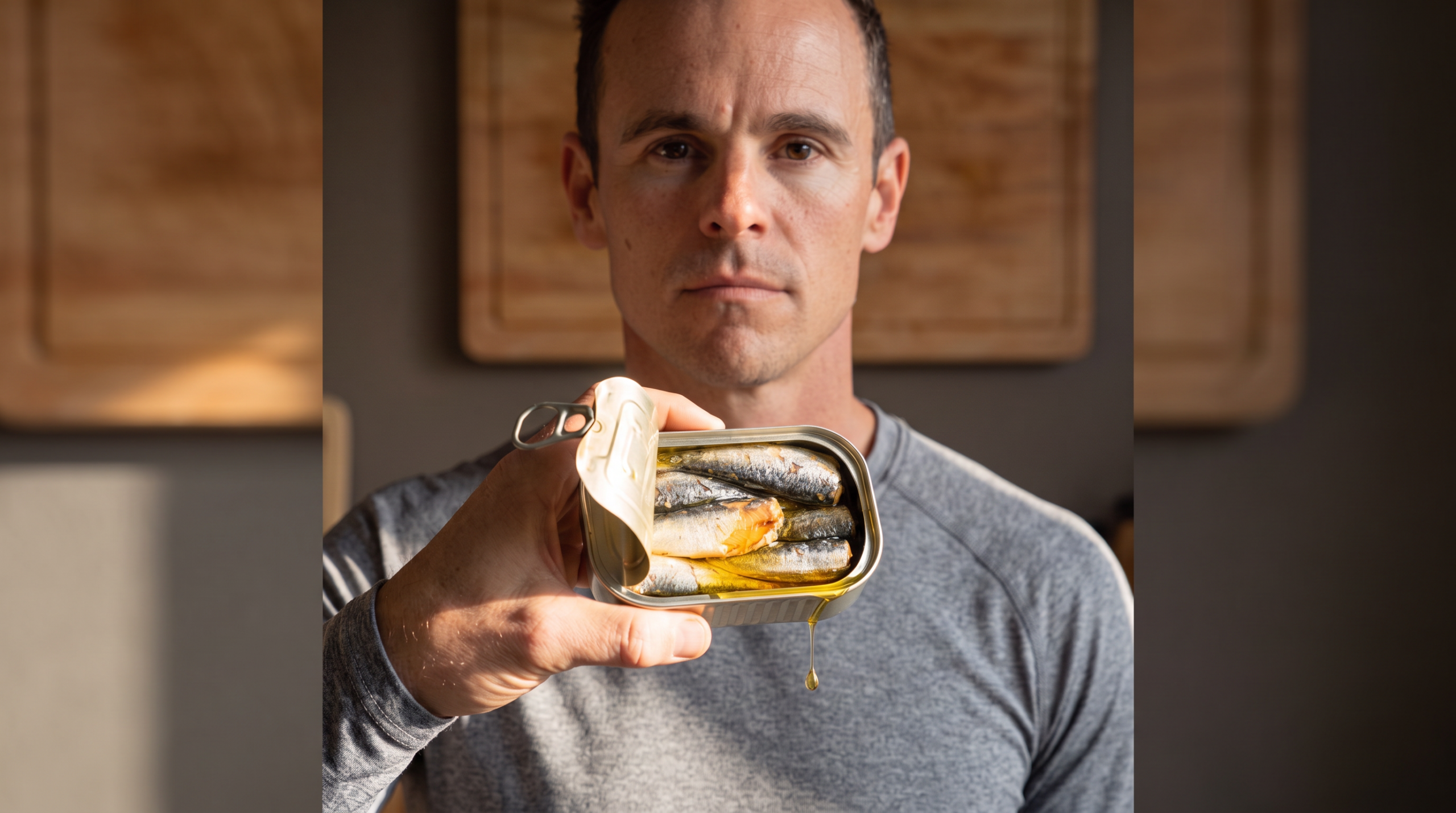
Older adults with prediabetes who ate sardines weekly saw their diabetes risk category shrink dramatically in one clinical trial.
A separate scientific review argues that the whole fish delivers benefits pills simply can’t match.
Is the hype justified? Here’s what the evidence shows, and where it comes up short.
Jump to:
The Prediabetes Trial That Turned Heads
Researchers led by Díaz-Rizzolo followed 152 adults over 65 with prediabetes for one full year, publishing results in Clinical Nutrition in 2021.
Participants in the sardine group ate roughly 200 grams weekly, about two standard 100-gram tins.
Numbers told a striking story:
- Sardine group: share of participants in the highest-risk category for type 2 diabetes dropped from 37% to 8%
- Control group: same measure slipped only from 27% to 22%
That’s a dramatic divergence for a food that costs a few dollars per tin.
The Catch Hiding in the Fine Print
Before stocking the pantry, one limitation matters. The trial was open-label, meaning participants knew which group they belonged to.
Knowing can nudge behavior, such as eating better or exercising more, which may inflate results. Larger, blinded studies are needed to confirm how much of the effect truly comes from sardines.
Why Whole Fish May Beat Capsules
Interest in sardines has surged partly because fish oil supplements keep disappointing. Large trials including ASCEND, VITAL, and STRENGTH delivered mixed cardiovascular results.
Enter the food matrix effect. Nutrients in whole foods arrive together and may interact in ways isolated supplements can’t replicate.
A 2023 review by Santos, May, and Bueno in Frontiers in Nutrition made this case specifically for sardines. Authors concluded the fish may deliver broader cardiovascular benefits than fish oil capsules alone.
Worth noting: that paper is a review arguing a hypothesis, not a head-to-head trial pitting sardines against supplements. “May outperform” is the accurate phrasing, not “definitely beats.”
What’s Actually Inside One Tin
Sardines pack a remarkable nutrient lineup into a small, shelf-stable package:
- EPA and DHA omega-3s: same fatty acids found in fish oil supplements
- Taurine: an amino acid linked to cardiovascular benefits
- Complete protein and vitamin B12: supporting muscle, energy, and nerve health
- Calcium: one can of bone-in sardines supplies roughly 25–40% of daily needs, depending on brand and serving size
- Vitamin D3 and phosphorus: partners in calcium absorption and bone structure
A Bone-Health Bonus
Observational research cited by Eating Well links eating sardines at least once weekly with a 33% lower risk of hip fractures.
Observational findings show association, not proof of cause. Still, the nutrient profile makes the link biologically plausible, especially for aging adults seeking calcium beyond dairy.
Low Mercury, Low Cost, Low on the Food Chain
Sardines sit near the bottom of the marine food chain, so they accumulate far fewer toxins such as mercury and PCBs than predators like tuna or swordfish.
The FDA lists them as a “Best Choice” seafood, safe for frequent eating, including by pregnant women and older adults.
Add affordability, fast reproduction, and widely available MSC-certified options, and sardines become a rare food that’s good for both your body and the planet.
Why the Prediabetes Angle Matters So Much
According to the CDC, about 96 million U.S. adults, or 1 in 3, have prediabetes. Most don’t know it.
An inexpensive food with early clinical promise deserves attention. Promise, though, isn’t a prescription.
How to Put Sardines on Your Plate
Not a fan of the flavor? Start small and get creative:
- Match the trial: aim for about two 100-gram tins weekly
- Choose bone-in: that’s where the calcium lives
- Mash onto whole-grain toast with lemon and black pepper
- Toss into pasta or salads for a savory, briny kick
- Scan labels: watch for added salt
Bottom line: sardines offer a nutrient-dense, budget-friendly, low-mercury way to support heart, bone, and metabolic health. They complement, rather than replace, medical care and a balanced diet.
Anyone managing prediabetes or taking fish oil should talk with a healthcare provider before making big changes.
Sources
- Verywell Health, sardinemaxxing overview: https://www.verywellhealth.com/what-is-sardinemaxxing-11949775
- Santos, May, and Bueno, Frontiers in Nutrition, 2023: https://doi.org/10.3389/fnut.2023.1107475