Homemade protein spreads are taking over fitness Instagram, and the promise is almost too good to be true: chocolate-hazelnut indulgence for 38 calories, or peanut butter richness for just 24.
These aren’t just random kitchen experiments.
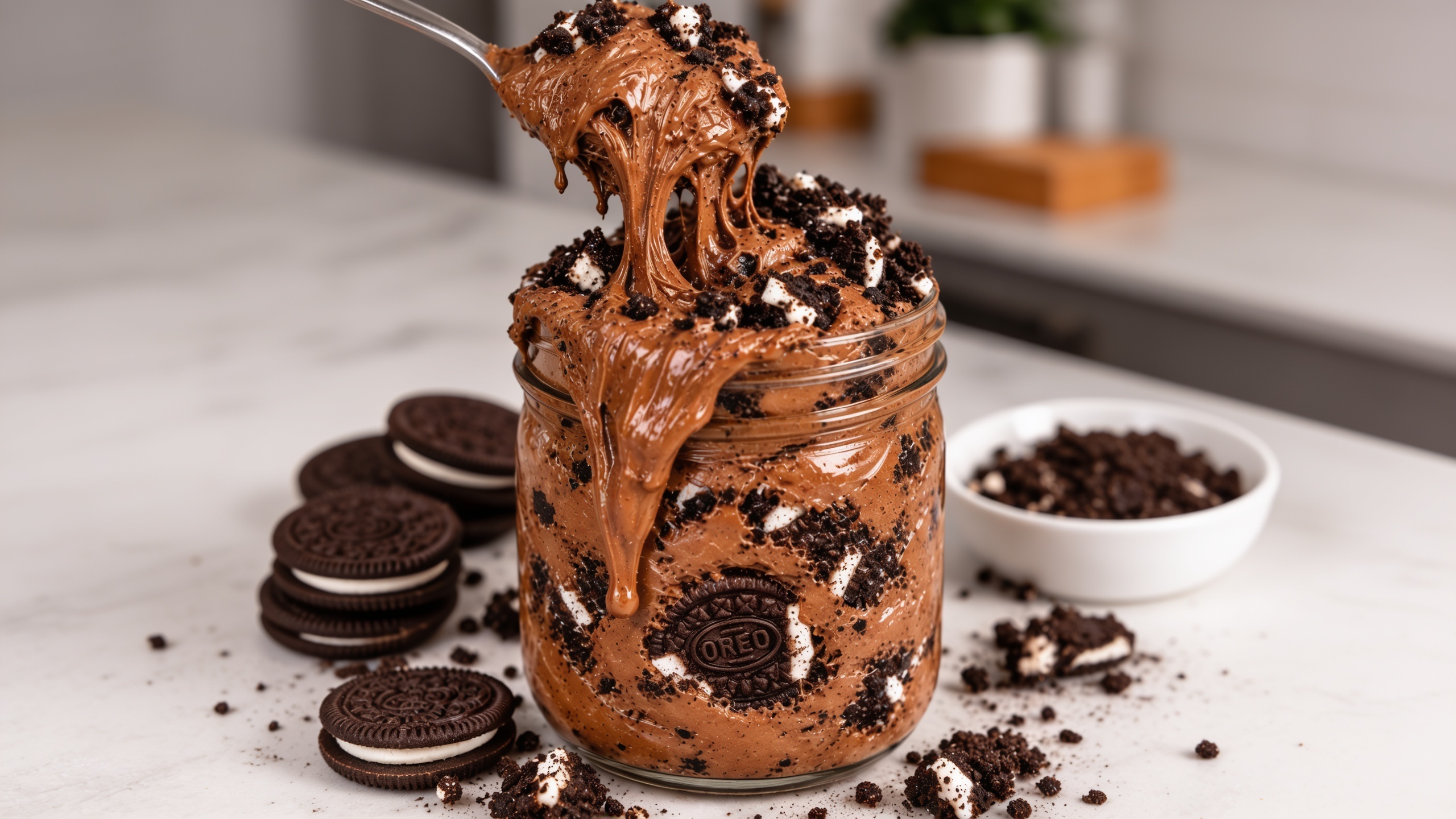
They’re part of a massive shift in how active people think about food—swapping calorie bombs for macro-friendly alternatives that actually taste like the real thing.
But can a homemade spread really deliver on both flavor and nutrition without the calorie cost?
Jump to:
- The Calorie Gap Between Traditional and Protein Spreads
- How Protein Spreads Actually Work
- What Makes These Recipes Go Viral
- Do the Calorie Claims Hold Up?
- Community Demand Is Real
- The Instagram Growth Playbook
- Practical Tips for Making High-Protein Spreads Work
- When High-Protein Swaps Make Sense (and When They Don’t)
- What Dietitians Actually Recommend
- The Real Test: Does It Fit Your Goals?
- The Volume Eating Movement
- Making Your Own: A Simple Starting Recipe
- The Long-Term Perspective
- Final Thoughts on the Protein Spread Phenomenon
- Sources
The Calorie Gap Between Traditional and Protein Spreads
Traditional Nutella packs approximately 200 calories into every two-tablespoon serving, along with 21 grams of sugar and a meager 2 grams of protein. Standard peanut butter isn’t much better, clocking in around 190 calories with 7–8 grams of protein.
For someone tracking macros or trying to maintain muscle mass during a cut, those numbers add up fast. Two tablespoons on toast at breakfast can represent 10% of a typical 2,000-calorie diet—before you’ve even started your day.
Enter the high-protein reformulation trend. By swapping fat-heavy bases for protein powder, Greek yogurt, or even cottage cheese, creators claim they can slash calories by 80% or more while dramatically increasing protein content.
The math is compelling. If these recipes deliver on their promises, someone could enjoy chocolate-hazelnut flavor multiple times per day and still stay well under their calorie targets.
How Protein Spreads Actually Work
The science behind these reformulations is straightforward: replace calorie-dense fats with protein-rich, lower-calorie ingredients that mimic texture and bulk.
Most recipes rely on a few core swaps. Fat-free cocoa powder replaces chocolate. Zero-calorie sweeteners stand in for sugar. Protein powder—whey, casein, or plant-based—provides both structure and, obviously, protein.
Greek yogurt or cottage cheese often serve as the creamy base, bringing additional protein while keeping fat minimal. Some versions add nut butter powder (PB2 or similar defatted products) to retain authentic peanut or hazelnut flavor without the oil.
The Protein Advantage
Protein is the most satiating macronutrient per calorie, meaning high-protein foods keep you fuller longer. For active individuals aiming for 0.7–1 gram of protein per pound of bodyweight daily—a benchmark supported by sports nutrition research—every extra source helps.
These spreads aren’t meal replacements, but they can meaningfully contribute to daily protein targets while satisfying cravings that might otherwise derail adherence to a calorie deficit.
Dietitians have taken notice. TODAY.com highlighted ricotta cheese as a high-protein spread option, noting it delivers around 14 grams of protein per half-cup, while Greek yogurt blends offer similar benefits with lower calories than nut butters.
What Makes These Recipes Go Viral
Fitness recipe content dominates platforms like Instagram and TikTok for good reason. It solves a genuine problem: how to enjoy traditionally indulgent foods without sabotaging body composition goals.
The gymrat niche has perfected this format. Short videos show the ingredients, the mixing process, and the final product—often with macro breakdowns overlaid on screen. Comments sections fill with requests for specific recipes, which creators use as engagement opportunities.
That’s where the “comment to receive DM” mechanic comes in. When hundreds of people comment a keyword like “SPREAD” or “RECIPE,” Instagram’s algorithm interprets it as high engagement, pushing the post to more feeds.
It’s marketing disguised as community service, and it works incredibly well.
The App Connection
Many of these posts funnel users toward recipe apps or platforms. RecipeLab, for instance, markets itself as “the first ever low calorie, high protein recipe generator app,” according to multiple YouTube Shorts promoting it.
Whether that claim holds up is debatable—similar apps have existed for years—but the positioning is smart. By offering a curated database of macro-friendly recipes, these platforms capitalize on decision fatigue among people who want results but don’t want to reinvent every meal.
Do the Calorie Claims Hold Up?
Here’s where things get tricky. Without access to the actual recipes—which are typically delivered via DM or app download—it’s impossible to verify the exact calorie and protein numbers.
That said, the general concept is nutritionally sound. Protein powder averages 25–30 grams of protein per scoop (roughly 100–120 calories). Fat-free cocoa powder runs about 10–12 calories per tablespoon. Zero-calorie sweeteners add negligible energy.
If you build a spread from those ingredients plus a base of fat-free Greek yogurt or quark (roughly 17 grams protein and 100 calories per cup), you could absolutely create a two-tablespoon serving under 40 calories with 5–10 grams of protein.
The challenge is texture and taste. Fat carries flavor and creates mouthfeel. Remove it, and you need skillful balancing of sweeteners, flavor extracts, and stabilizers to avoid a chalky or watery result.
What About the Oreo Versions?
Oreo-flavored protein spreads introduce another variable: actual Oreo cookies, which contain sugar and fat. Even crushed into powder, a single Oreo adds roughly 53 calories and 2 grams of fat.
To hit 24 calories per serving with Oreos involved, the recipe would need to dilute cookie content heavily or define “serving” very conservatively—perhaps a single tablespoon instead of two.
This isn’t necessarily deceptive, but it highlights why serving size matters when evaluating nutrition claims on social media.
Community Demand Is Real
Browse Reddit’s r/loseit or r/Volumeeating communities, and you’ll find thousands of people actively seeking exactly these kinds of recipes. A thread from October 2025 asking for low-calorie, high-protein meal ideas pulled in 107 replies and 135 upvotes.
The recurring theme? People want to enjoy food while staying on track. They’re tired of bland chicken and broccoli. They crave sweetness, richness, variety.
High-protein spreads deliver on that psychological need. They transform breakfast, snacks, and desserts from obstacles into opportunities.
Why Protein Matters for Body Composition
Muscle protein synthesis—the process by which your body builds and repairs muscle tissue—requires consistent protein intake throughout the day. For people lifting weights or doing intense training, hitting 0.7 to 1 gram of protein per pound of bodyweight daily is often recommended.
That target can be challenging without planning. A 160-pound athlete needs 112–160 grams daily. Chicken breast, eggs, and fish get you there, but variety prevents diet burnout.
Spreads like these offer a low-effort, high-reward addition to daily protein intake, especially for people who struggle with savory protein sources or want something sweet post-workout.
The Instagram Growth Playbook
Let’s address the elephant in the room: these posts aren’t purely educational. They’re engineered for virality and conversion.
Comment-triggered DMs boost engagement metrics, signaling to Instagram that the post is valuable and worthy of broader distribution. More reach means more followers, which eventually translates to sponsorships, affiliate revenue, or app subscriptions.
This doesn’t invalidate the recipes themselves, but it does mean you should approach with awareness. The content serves dual purposes: helping your nutrition and growing a creator’s platform.
That’s not inherently bad. Many creators provide genuine value while building businesses. But understanding the incentive structure helps you evaluate claims more critically.
Practical Tips for Making High-Protein Spreads Work
If you’re intrigued by these recipes, here’s how to approach them smartly:
- Measure everything. Calorie counts only work if you stick to specified serving sizes. Use a food scale, not eyeballing.
- Choose quality protein powder. Flavor matters enormously in spreads. Chocolate whey or cookies-and-cream isolate will taste dramatically better than unflavored options.
- Experiment with texture. Start thick and add liquid (almond milk, water) slowly until you hit spreadable consistency. Too thin and it won’t work on toast; too thick and it’s paste.
- Store properly. Homemade spreads lack preservatives. Keep them refrigerated and use within 3–5 days for best taste and safety.
- Watch the sweetener. Zero-calorie sweeteners vary wildly in taste and aftertaste. Erythritol, stevia, monk fruit, and sucralose all behave differently. Find what works for your palate.
- Don’t expect exact replication. These spreads will taste good, but they won’t be identical to Nutella. Manage expectations and enjoy them on their own terms.
When High-Protein Swaps Make Sense (and When They Don’t)
Protein spreads shine brightest during caloric restriction. If you’re cutting body fat while preserving muscle, every calorie counts, and protein becomes precious real estate in your daily budget.
They’re also excellent for people who dislike traditional protein sources. Not everyone wants another chicken breast. Sweet, creamy spreads offer variety without derailing progress.
But they’re not magic. If you’re already hitting protein targets easily and not tracking calories, traditional nut butters offer healthy fats, micronutrients, and satisfaction that heavily processed alternatives might lack.
Context matters. A marathon runner needing 3,000 calories daily has different needs than someone on a 1,500-calorie bodybuilding cut.
The Psychological Benefit
Perhaps the biggest advantage isn’t physiological—it’s mental. Dieting often feels restrictive, triggering cravings and eventual binges.
High-protein, low-calorie versions of indulgent foods create psychological breathing room. You can enjoy chocolate flavor without guilt, which improves adherence and reduces the all-or-nothing mindset that sabotages long-term success.
Food shouldn’t be punishment. These recipes help prove you can have both discipline and enjoyment.
What Dietitians Actually Recommend
While social media recipes dominate feeds, registered dietitians have their own favorite high-protein spreads—often simpler and less processed than Instagram versions.
Ricotta cheese leads many lists, offering about 14 grams of protein per half-cup with a mild, creamy flavor that works sweet or savory. Mix it with honey and cinnamon, and you’ve got a dessert-like spread without artificial ingredients.
Greek yogurt remains a staple recommendation. Full-fat versions provide satiety and flavor; fat-free versions maximize protein density. Blend with cocoa powder and a touch of maple syrup, and you’ve created chocolate cream cheese, essentially.
Cottage cheese is experiencing a renaissance, particularly whipped cottage cheese, which mimics cream cheese texture while delivering roughly 12 grams of protein per half-cup.
These whole-food options might not hit 24 calories per serving, but they offer micronutrients, probiotics, and fewer artificial additives than heavily engineered protein powder blends.
The Real Test: Does It Fit Your Goals?
Before diving into DMs or downloading recipe apps, ask yourself what you actually need.
Are you struggling to hit protein targets? These spreads can help, especially if you’re vegetarian or simply tired of meat-based options.
Are you deep in a caloric deficit and craving something sweet? The calorie savings could be game-changing, allowing small indulgences that keep you sane.
Are you someone who overthinks food and needs simplicity? Whole-food spreads like ricotta or Greek yogurt might serve you better than recipes requiring six specialized ingredients.
There’s no single right answer. Nutrition is individual, and what works for a fitness influencer’s content strategy might not align with your lifestyle, budget, or preferences.
Beware the Ingredient Rabbit Hole
One downside to elaborate protein recipes: they often require purchasing niche ingredients. Powdered peanut butter, specific protein powder flavors, sugar-free syrups, specialty sweeteners—it adds up.
If you’re spending $40 on ingredients to make spreads you could approximate with Greek yogurt and cocoa powder, the convenience factor disappears.
Start simple. Test one or two recipes with ingredients you already have. Scale up only if they become staples.
The Volume Eating Movement
High-protein spreads fit perfectly into “volume eating”—a dietary approach that maximizes food quantity while minimizing calories.
Communities like r/Volumeeating share endless variations on this theme: protein ice cream, high-volume pancakes, low-calorie pizza. The philosophy is simple: eat more food, not less, by choosing ingredients with favorable calorie-to-volume ratios.
Protein spreads enable volume eating at breakfast and snack time. Spread 50 grams of homemade chocolate protein cream on rice cakes or fruit, and you’ve got a substantial snack for under 100 calories.
Compare that to two tablespoons of Nutella on white bread—easily 350+ calories—and the difference becomes stark.
Making Your Own: A Simple Starting Recipe
You don’t need an app or a DM to start experimenting. Here’s a basic framework for chocolate protein spread:
- Start with ½ cup fat-free Greek yogurt (roughly 60 calories, 10g protein)
- Add 1 tablespoon unsweetened cocoa powder (12 calories)
- Mix in ½ scoop chocolate protein powder (50–60 calories, 12–15g protein)
- Sweeten with stevia, monk fruit, or erythritol to taste (0 calories)
- Thin with almond milk if needed (adds 3–8 calories per tablespoon)
Total batch: approximately 125–135 calories with 22–25 grams protein. Divide into 3–4 servings, and you’re looking at roughly 30–45 calories per serving with 6–8 grams protein.
Not quite 24 calories, but close—and you can adjust ratios based on your priorities.
The Long-Term Perspective
Trends come and go in fitness nutrition. Remember when fat-free everything dominated? Or when keto declared war on carbs?
High-protein reformulations will likely endure because they address a genuine challenge: maintaining muscle while losing fat requires protein, and most people struggle to eat enough without turning meals into chores.
But sustainability depends on enjoyment. If these spreads help you stick to your goals for months or years, they’re worth it. If they feel like work or taste disappointing, they won’t last past the first week.
The best diet is the one you can maintain. If homemade protein Nutella makes that easier, lean into it. If traditional foods in moderate portions work better for you, that’s equally valid.
Final Thoughts on the Protein Spread Phenomenon
Homemade high-protein spreads represent more than just recipes—they’re a response to evolving expectations around dieting. People no longer accept that getting lean requires misery and deprivation.
These spreads prove you can engineer foods that align with aggressive body composition goals while still delivering pleasure. Whether that’s through 24-calorie peanut butter or 38-calorie chocolate-hazelnut magic, the underlying principle holds: nutrition doesn’t have to be boring.
Just remember that Instagram posts optimize for engagement first, education second. Take calorie claims with appropriate skepticism, verify serving sizes, and test recipes yourself before assuming they’ll fit seamlessly into your routine.
The tools are available. The knowledge is accessible. What matters now is whether these recipes actually help you build sustainable habits that support long-term health and fitness.
Because at the end of the day, the best nutrition strategy isn’t the one with the lowest calories or the highest protein—it’s the one you’ll still be following six months from now.
Sources
- TODAY.com – High-protein spreads recommended by dietitians: https://www.today.com/health/diet-fitness/high-protein-spreads-not-peanut-butter-dietitians-rcna596566