Why would the founder of a global fitness movement take back control of daily workouts after years of delegation?
In a recent conversation on Coffee Pods and Wods, CrossFit creator Greg Glassman opened up about the evolution of CrossFit’s programming, his return to the helm in 2019, and his commitment to redefining fitness for everyone—not just elite athletes.
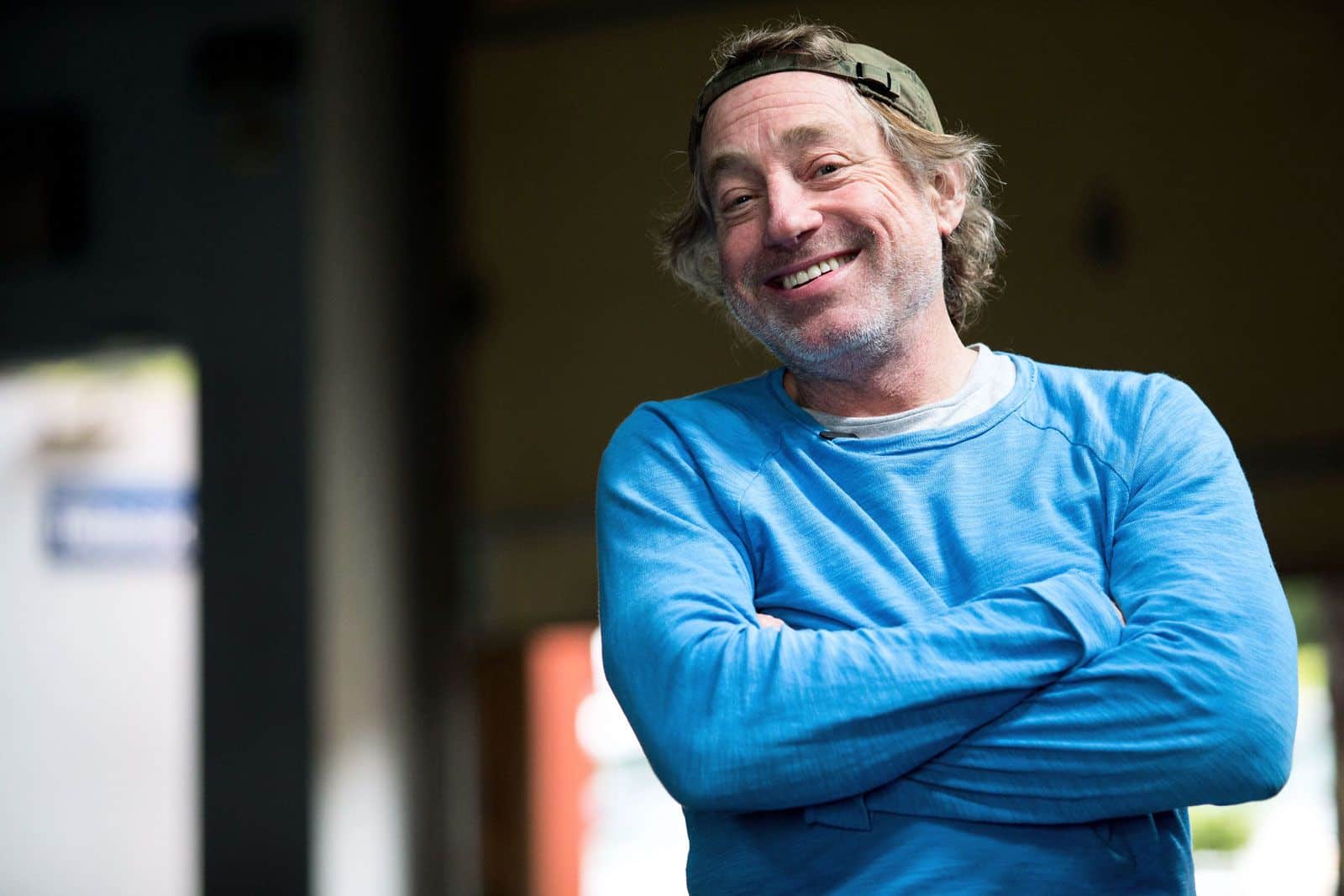
His insights reveal a powerful shift from performance-driven workouts to inclusive programming designed for those hit hardest by chronic disease.
They also expose the internal pushback he faced when the brand strayed from its roots. Let’s explore the deeper reasons behind these changes—and what they tell us about the future of health-focused fitness.
Jump to:
Why Glassman Reclaimed Programming in 2019
After a decade of delegating the creation of daily WODs (Workouts of the Day), Glassman returned to program them himself during the first half of 2019. Why? He sensed a “drift.”
“I wanted workouts that everyone could do—or a larger percentage of people could do—and yet the very best would distinguish themselves,” Glassman explained. “I don’t need Fran at 185 pounds. If you can do Fran at that weight, you’ll just demolish it at 95.”
He wasn’t against difficulty. Rather, he sought functional programming layered for both accessibility and elite-level differentiation. That meant keeping the stimulus while expanding the entry point for more people.
Reintroducing Skill-Based Foundations
Another major reason for stepping back in was to reemphasize foundational movement and skill development. According to Glassman, elements like L-sits, handstands, and balance drills—what his team once labeled as “SLIPS”—were among CrossFit’s most valuable programming components.
Those elements took a backseat as the sport of CrossFit gained momentum. Re-integrating them was a move to restore the essence of what made the methodology effective for everyday people, not just Games competitors.
Turning the Spotlight to the Underdog
Beyond workouts, Glassman led a major content shift—putting people with obesity, chronic illness, and aging bodies front and center. This editorial decision was highly controversial, even within his own organization.
“Nobody liked me putting fat people on the front page of the website,” Glassman admitted. “My staff didn’t like it. Jeff Cain didn’t like it. Dave Castro didn’t like it. But I was committed to it.”
Why? Because his mission wasn’t just to show what athletes could become, but to highlight who needed CrossFit the most.
Reframing the CrossFit Affiliate Model
Glassman described CrossFit affiliates not as gyms, but as “world-class diabetes reversal centers.” However, he noted that most owners didn’t realize it—and that’s where internal education became critical.
“I told our staff: we’ve got 15,000 diabetes reversal centers. The problem is that not everyone running these centers knows it,” he explained.
To bridge that gap, he used social media campaigns to spotlight transformative stories—starting by recruiting those who considered themselves the least likely to try CrossFit.
The Results: From 12 Skeptics to 150 Success Stories
In a campaign targeting individuals who felt excluded by traditional gyms, CrossFit asked: “If you consider yourself the least likely person to try CrossFit, reach out.”
The response was powerful. Out of 20 submissions, 12 participants joined and sparked a community-wide movement. Within 18 months, that group expanded to 150 people—with stories that moved even the hardest critics.
“If you’ve got a heart and you’re a thinking, caring, feeling person, that was one of the most extraordinary things that people ever saw,” Glassman said.
Veteran trainers like Chuck Carswell and Michelle Moots joined the initiative to coach the new members, serving as living proof of CrossFit’s capacity to transform the lives of the elderly and obese.
Picking Principles Over Popularity
Despite internal and external resistance, Glassman never wavered. His mission remained clear: make CrossFit about health and longevity, not visibility or virality.
He drew parallels to journalism models: “If the Dodgers win the World Series, it’ll be on the front page of the LA Times. But that might be the only sports story there all year.”
Similarly, while elite performances deserve coverage, the bulk of daily content should reflect the real-world transformation CrossFit empowers—many of which are happening among vulnerable populations.
Elite Fitness Isn’t the Only Form of Health
Glassman stressed another often-misunderstood point: CrossFit isn’t always the next step for already-healthy people. Speaking about a highly active orthopedic surgeon who ate well and played squash regularly, Glassman said, “I don’t think he needs to do anything else for his health.”
However, if that person wanted to get better at squash or biking, CrossFit could help. That nuance—knowing when CrossFit adds value beyond health—is part of the maturity Glassman wants the community to embrace.
Function Over Fame
Glassman’s return to programming was less about control and more about course correction. His aim: refocus affiliates and members on solving the world’s most pressing health issue—chronic disease—through functional movement, inclusive design, and evidence-based training.
As the sport side of CrossFit continues to draw attention, his message to affiliates remains rooted in humility and impact.
Takeaway: Back to Basics, For Real Impact
Glassman’s programming comeback wasn’t nostalgia—it was necessity. The shift he initiated underscores a vital need in the fitness world: rebuild from the foundation, not just aim for the podium.
The workouts mattered, yes. But the bigger statement was who they were designed for. By re-centering the focus on those most in need of intervention—people battling obesity, diabetes, and aging—CrossFit returned to its founding purpose.
And for affiliate owners, the message couldn’t be clearer: Your gym might be the most powerful health intervention your community has ever seen. But only if you realize it—and program like it.