Fitness trackers might soon do more than count steps and monitor heart rate.
Will Ahmed, founder and CEO of WHOOP, believes wearable technology will eventually save lives by detecting serious health conditions before symptoms appear.

His company’s sleek bands are already worn by elite athletes like Cristiano Ronaldo and the England World Cup squad, but Ahmed sees this as just the beginning of a health revolution.
As WHOOP continues expanding its capabilities and user base, the line between fitness tracking and medical monitoring grows increasingly blurred.
Jump to:
From Dorm Room to Global Health Tech Leader
Ahmed launched WHOOP from his Harvard dorm room with a clear vision: create technology that could optimize human performance through continuous monitoring. Unlike traditional fitness trackers that focus on steps and calories, WHOOP takes a more sophisticated approach.
The device measures heart rate variability, sleep quality, respiratory rate, and strain to provide users with personalized recovery scores each morning. This data-driven approach tells athletes and everyday users alike when they’re ready to push hard and when they need rest.
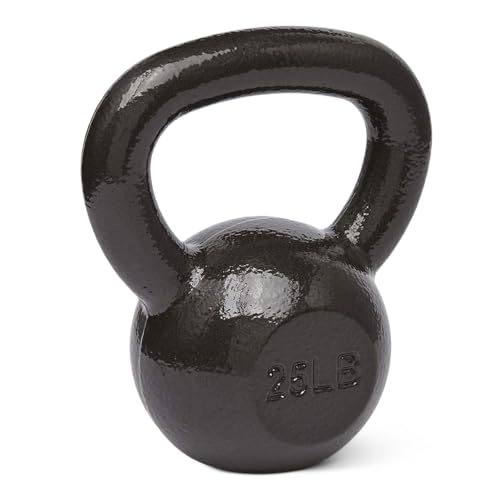
If you want something simple that actually works, this is one of the most effective tools I’ve used to build strength, conditioning, and endurance without needing a full gym setup.
- Full-body training with one weight using swings, squats, and presses
- Solid cast iron build that feels stable and lasts for years
- Comfortable grip that makes high-rep workouts easier to handle
What started as a tool for college athletes has transformed into a comprehensive health platform backed by major investors and endorsed by some of the world’s most recognizable sports figures.
The Medical Future of Fitness Wearables
Ahmed’s ambitions extend far beyond tracking workouts. He envisions WHOOP devices detecting early warning signs of heart disease, diabetes, and other serious conditions long before traditional diagnosis methods would catch them.
Fitness trackers will one day save your life.
This isn’t just wishful thinking. WHOOP has already demonstrated its potential for early detection during the COVID-19 pandemic, when the company developed algorithms that could identify respiratory infections up to three days before symptoms appeared.
Continuous monitoring creates massive datasets that reveal patterns invisible to traditional medicine. When combined with artificial intelligence and machine learning, these patterns become predictive tools for preventive healthcare.
Bridging Consumer Tech and Medical Devices
WHOOP operates in a unique space between consumer fitness gadgets and regulated medical devices. Currently classified as wellness technology, Ahmed is working toward obtaining medical-grade certifications that would allow WHOOP data to be used in clinical settings.
This transition requires rigorous validation studies and regulatory approval, but success could fundamentally change how healthcare providers monitor patients. Imagine cardiologists receiving real-time alerts about concerning heart rhythms or endocrinologists tracking glucose-related patterns through wearable sensors.
If you want something simple that actually works, this is one of the most effective tools I’ve used to build strength, conditioning, and endurance without needing a full gym setup.
- Full-body training with one weight using swings, squats, and presses
- Solid cast iron build that feels stable and lasts for years
- Comfortable grip that makes high-rep workouts easier to handle
Why Elite Athletes Choose WHOOP
Cristiano Ronaldo isn’t just a WHOOP user—he’s an investor. The football legend joined a funding round that valued WHOOP at $3.6 billion, signaling his belief in both the technology and company’s trajectory.
Professional athletes gravitate toward WHOOP because it provides actionable insights rather than vanity metrics. Knowing your recovery score helps determine whether to go all-out in training or take an active recovery day.
The England World Cup squad’s adoption of WHOOP demonstrates how seriously elite sports organizations take data-driven performance optimization. When margins between winning and losing shrink to milliseconds and millimeters, every edge matters.
Beyond Professional Sports
While celebrity endorsements grab headlines, WHOOP’s fastest-growing user segment consists of everyday people seeking better health outcomes. Parents juggling demanding schedules, executives managing stress, and fitness enthusiasts optimizing training all benefit from understanding their body’s readiness.
The subscription model—users pay monthly fees rather than purchasing devices outright—makes continuous hardware upgrades possible without additional costs. This approach keeps technology current while building recurring revenue that fuels research and development.
The Data Privacy Challenge
Collecting intimate health data 24/7 raises legitimate privacy concerns. Ahmed acknowledges this responsibility and emphasizes WHOOP’s commitment to data security and user control.
If you want something simple that actually works, this is one of the most effective tools I’ve used to build strength, conditioning, and endurance without needing a full gym setup.
- Full-body training with one weight using swings, squats, and presses
- Solid cast iron build that feels stable and lasts for years
- Comfortable grip that makes high-rep workouts easier to handle
Users own their information and can delete it anytime. WHOOP doesn’t sell personal data to third parties, instead generating revenue through subscriptions. This business model alignment with user interests creates natural privacy protections.
However, as WHOOP pursues medical applications, navigating HIPAA compliance and international health data regulations becomes increasingly complex. Balancing innovation with protection remains an ongoing challenge for the entire wearables industry.
Measuring What Matters Most
WHOOP’s decision to eliminate screens from its devices was deliberate. Without displays showing real-time stats, users can’t obsess over every fluctuation or feel pressured to “close rings” through unhealthy behavior.
Instead, comprehensive insights appear in the smartphone app each morning, providing context and trends rather than isolated numbers. This approach encourages sustainable lifestyle changes based on patterns rather than daily anxiety about hitting arbitrary targets.
The recovery score synthesizes multiple biomarkers into a single percentage that answers a fundamental question: What is my body capable of today?
Sleep: The Ultimate Performance Enhancer
WHOOP’s sleep tracking goes beyond duration to analyze sleep stages and calculate debt. Many users report that seeing their sleep data quantified motivates better bedtime habits more effectively than general wellness advice.
If you want something simple that actually works, this is one of the most effective tools I’ve used to build strength, conditioning, and endurance without needing a full gym setup.
- Full-body training with one weight using swings, squats, and presses
- Solid cast iron build that feels stable and lasts for years
- Comfortable grip that makes high-rep workouts easier to handle
The sleep coach feature provides personalized recommendations based on recent strain and recovery patterns. If you’ve accumulated sleep debt after several intense training days, WHOOP might suggest going to bed 90 minutes earlier.
The Science Behind the Strap
WHOOP employs a team of data scientists, physiologists, and engineers constantly refining algorithms. The company has published peer-reviewed research validating its measurements against gold-standard laboratory equipment.
Heart rate variability—the variation in time between heartbeats—serves as a key indicator of autonomic nervous system function. Higher HRV typically correlates with better recovery and resilience to stress.
Respiratory rate tracking proved particularly valuable during the pandemic, as elevated breathing patterns often preceded other COVID symptoms. This unexpected application showcased how continuous monitoring reveals insights beyond original design intentions.
Building a Sustainable Health Ecosystem
Ahmed envisions WHOOP as the central nervous system of a broader health ecosystem. Partnerships with companies in nutrition, mental health, and medical diagnostics could create comprehensive wellness platforms.
Integration with electronic health records would allow physicians to see months of objective physiological data rather than relying solely on patient recollections during brief appointments. This longitudinal perspective could revolutionize diagnosis and treatment planning.
If you want something simple that actually works, this is one of the most effective tools I’ve used to build strength, conditioning, and endurance without needing a full gym setup.
- Full-body training with one weight using swings, squats, and presses
- Solid cast iron build that feels stable and lasts for years
- Comfortable grip that makes high-rep workouts easier to handle
The company is also exploring how WHOOP data might predict and prevent injuries in athletes by identifying fatigue patterns that precede breakdowns. Early warning systems could prevent season-ending injuries by recommending rest before damage occurs.
Challenges Ahead
Despite impressive growth and celebrity backing, WHOOP faces significant competition from tech giants like Apple, Samsung, and Google. These companies have deeper pockets and established ecosystems that create natural advantages.
WHOOP’s subscription model also requires continuous value delivery to justify ongoing costs. Users who don’t see meaningful health improvements may cancel, making engagement and actionable insights critical for retention.
Regulatory pathways for medical claims remain uncertain and time-consuming. Even with robust data supporting health applications, approval processes could delay or prevent some of Ahmed’s most ambitious visions.
The Personalized Health Revolution
Ahmed’s ultimate goal transcends selling wearable devices. He wants to fundamentally shift healthcare from reactive treatment to proactive prevention through continuous monitoring and personalized insights.
This vision aligns with broader trends toward precision medicine, where treatments and recommendations are tailored to individual physiology rather than population averages. What works for one person might be suboptimal or even harmful for another with different genetic and physiological characteristics.
If you want something simple that actually works, this is one of the most effective tools I’ve used to build strength, conditioning, and endurance without needing a full gym setup.
- Full-body training with one weight using swings, squats, and presses
- Solid cast iron build that feels stable and lasts for years
- Comfortable grip that makes high-rep workouts easier to handle
As artificial intelligence capabilities expand, WHOOP and similar platforms could provide increasingly sophisticated guidance. Imagine receiving nutrition recommendations based on how your body actually metabolizes different foods, or workout plans that adapt daily based on recovery status.
Whether fitness trackers will truly save lives remains to be seen, but the trajectory is clear. Wearable technology is evolving from curiosity to tool to potential medical necessity. Ahmed and WHOOP are betting that continuous physiological monitoring becomes as routine as annual checkups—except infinitely more comprehensive and actionable.
The future of healthcare might not happen in hospitals at all, but rather on our wrists, working silently 24/7 to keep us healthy.