If you’ve been hitting the pavement and end up sidelined by injuries, your form—not your mileage or body type—might be the real culprit. For Youtuber Shervin Shares, nagging lower back and ankle pain turned a casual running habit into a deeper investigation into biomechanics.
In a recent visit to RunLab in Austin, Shervin underwent a comprehensive assessment of his running mechanics and metabolic performance. The results? Eye-opening insights that could help any runner feel better, move faster, and stay injury-free.
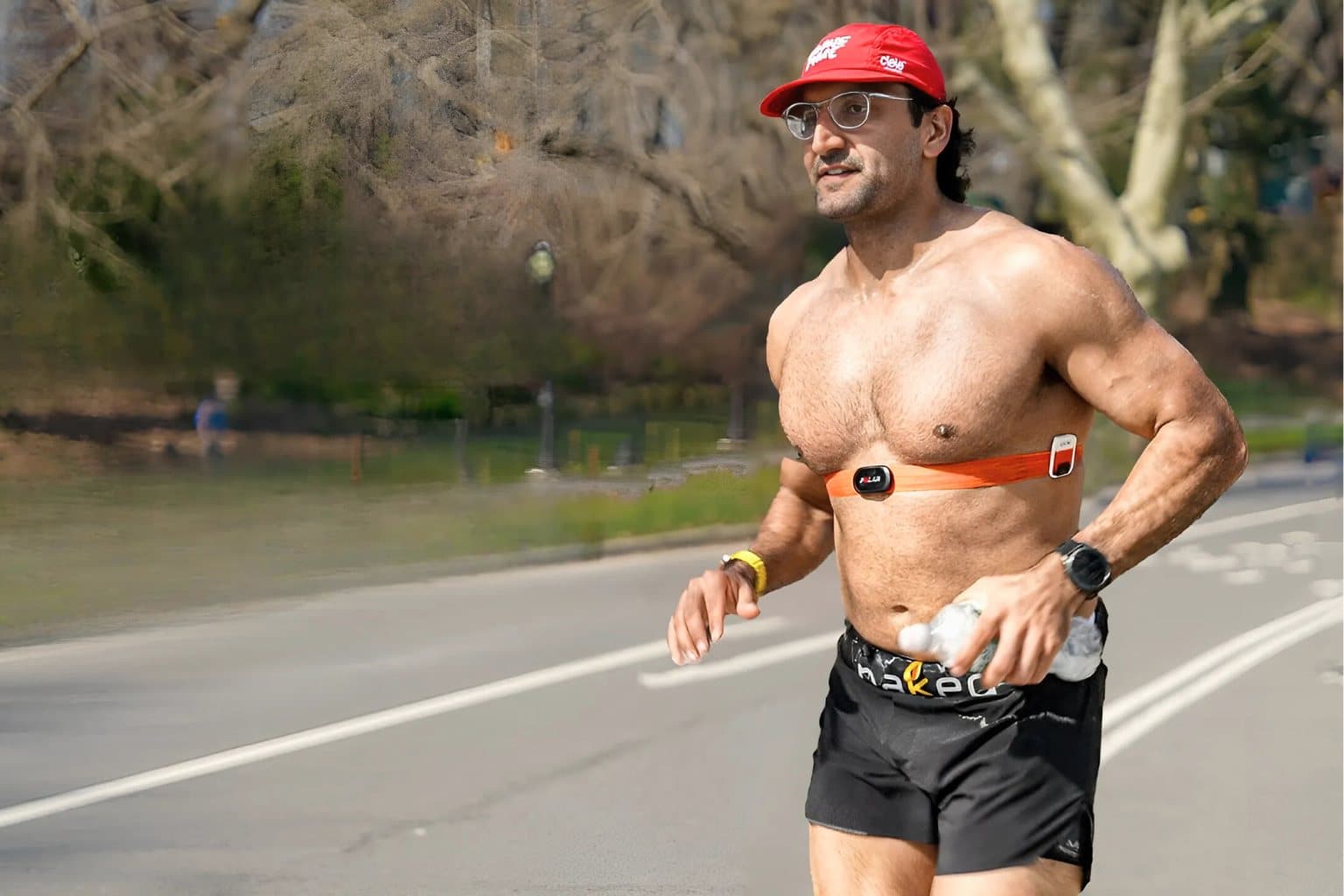
Whether you’re chasing a marathon finish or just hoping to enjoy your jogs without pain, optimizing your running form could be your biggest performance upgrade—and we’re breaking down exactly how.
Jump to:
Improved Running Mechanics = Better Speed, Lower Risk
One of the first revelations during Shervin’s visit to RunLab was this: you don’t just run with your legs—you run with your whole body. This means that inefficiencies anywhere in the chain can trigger poor form, wasted energy, and injury.
For Shervin, the issues were fairly common:
- Heel striking due to overstriding
- Weak glute activation, especially on the left side
- Overactive quads causing “crunchy” knees
- Stiff big toe on the right foot, limiting proper push-off
According to Dr. Davis Rodin, director at RunLab, “Your capacity for growth amplifies when you’re efficient versus when you’re getting in your own way.” By fixing mechanical inefficiencies, Shervin could potentially run the same pace with significantly lower heart rate—meaning more endurance and less strain on his body.
What the Tests Revealed
Mobility and Strength Imbalances
The first assessment involved analyzing how each side of Shervin’s body functioned while walking and balancing on one leg. Vital insights included weak hip abductors, poor glute recruitment, and asymmetrical flexibility—especially in his big toes.
These imbalances were traced directly to compensations in his running form. For example, a weak left glute caused his right hip to drop during each stride, shifting excessive load onto his ankles and lower back, which explained the pain he experienced.
Running Form Analysis
Using high-speed cameras on a treadmill, Shervin’s stride was evaluated in barefoot and shod conditions at different speeds. The biggest flaw? A long, straight-leg stride, landing far ahead of his body. This caused a jolting “brake-then-accelerate” pattern, wasting energy with every step.
Instead of focusing only on heel striking, Dr. Rodin explained that the angle of foot contact relative to the center of mass is more critical. Pulling the foot back underneath the body when landing, combined with a slight forward lean, creates a fluid, energy-saving gait.
The Fix: Drills and Daily Habits
To rewire Shervin’s gait, he was prescribed targeted drills:
- “Right cheek, left cheek”: A drill to individually activate each glute, training the timing of activation during the gait cycle.
- “Paw back” drill: Practicing the backward pull of the leg during swing phase to reinforce efficient mechanics.
- Upright posture corrections: Encouraging a mild forward lean reminiscent of a deadlift position to improve stride alignment.
Practicing these exercises daily—even on rest days—helped Shervin retrain how his brain and muscles communicate during a run. Just a few weeks later, follow-up footage showed real improvements: more compact strides, better posture, and enhanced glute activation.
Efficiency Beats Raw Speed
Running isn’t only about how fast your legs move—it’s also about how efficiently your body deals with fatigue. That’s where the metabolic testing with Allison came in.
Understanding His Lactate Threshold
By monitoring Shervin’s heart rate and lactate production at various paces, his team identified the point where his aerobic system could no longer clear lactic acid. Pacing above this threshold means burning out faster—critical data when planning marathon training.
While his ‘feel’ suggested he could run 6-minute miles, testing showed a more sustainable “cruising pace” was closer to 8:30 per mile. Staying under the aerobic threshold allows for easier post-run recovery and more consistent training progress.
“Everything you do training-wise also affects the neuromuscular system,” Allison explained. “So even if your heart rate feels okay, your legs and neurons might not be keeping up.”
3 Lessons Every Runner Can Learn
1. Train for Longevity, Not Just Pace
Injuries happen when the system is overloaded or misaligned—not just from high mileage alone. Shervin learned that integrating corrective exercises into both warm-ups and off days will help keep his mechanics sharp for life, not just for race day.
2. Progress Is Not Linear
“Micro-dosing” change was a major theme. Trying to overhaul form overnight leads to mental overload and can even increase injury risk. Instead, every two minutes of a run, Shervin was instructed to do a 30-second form “check-in” focusing on one key cue. That small consistency compounds.
3. Tiny Adjustments Add Up
Over the course of a marathon, you’ll take over 25,000 steps. A 10% improvement in stride mechanics doesn’t just look better—it saves energy, reduces wear on joints, and improves your odds of finishing strong. What feels like a small adjustment in practice can lead to bigger performance gains than adding mileage or speed work alone.
Can You Really Run Faster By Fixing Your Form?
For Shervin, the answer is yes. He’s already running at similar speeds with lower heart rates and drastically reduced joint pain. If progress continues, he may arrive at the starting line of his first marathon with both better speed and fewer injury worries.
While elite runners can shave seconds off with fine-tuning, everyday runners can unlock minutes by simply becoming more efficient.
How to Get Started
Want to begin your own journey? Start here:
- Film your running from the side and back—look for overstriding, hip drop, or asymmetries.
- Incorporate glute activation drills before running (e.g. clamshells, band walks, glute bridges).
- Try shorter, higher-cadence strides; aim to land with your foot closer under your chest.
- Consider visiting a running lab or physical therapist for gait analysis and a personalized plan.
And most importantly: take your time. As Shervin discovered, good form is a practice, not a quick fix. But with patience and the right guidance, you might just unlock your fastest self yet.
Thinking about doing a marathon like Shervin? Start investing in your form now. The gains aren’t just in faster times—they’re in feeling better every step of the way.