Does running really burn belly fat, or is that just gym-floor folklore?
In a recent YouTube video, a former professional triathlete and running coach combed through the research to settle it.
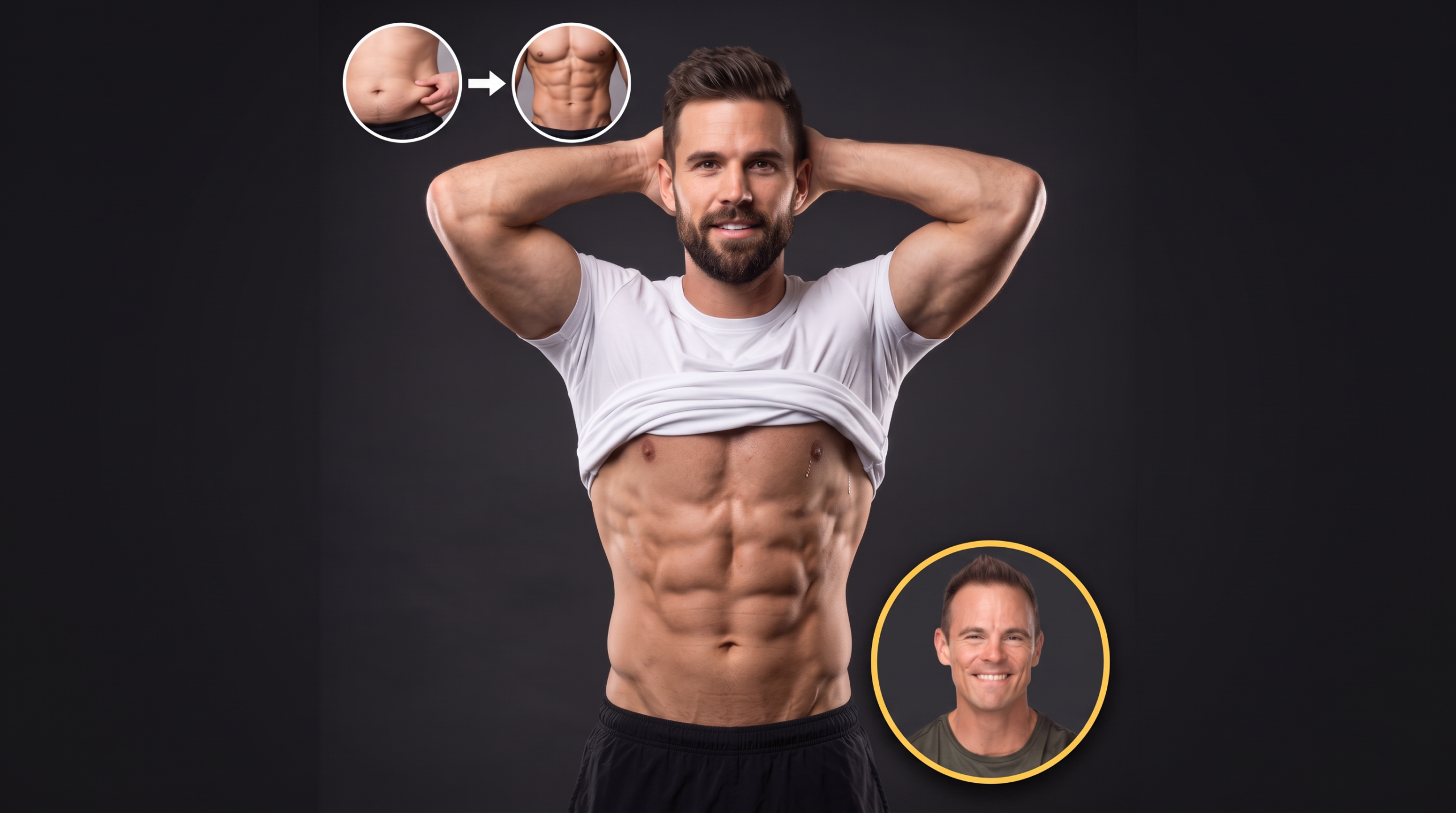
Verdict: yes, and running reaches the type of fat that threatens health most.
But how many minutes does it take, and do sprints beat jogging?
Answers might surprise you, and one lever may matter even more than mileage.
Jump to:
Yes, Running Burns Belly Fat, Even the Deep Kind
So all that to say, yes, running does burn belly fat. And based on the research we have, that includes deep fat around your organs, you know, the one that matters most for your health.
Why does deep fat matter so much? Belly fat comes in two varieties.

If you want something simple that actually works, this is one of the most effective tools I’ve used to build strength, conditioning, and endurance without needing a full gym setup.
- Full-body training with one weight using swings, squats, and presses
- Solid cast iron build that feels stable and lasts for years
- Comfortable grip that makes high-rep workouts easier to handle
Pinchable Fat Versus Visceral Fat
- Subcutaneous fat: sits just under skin, and you can pinch it.
- Visceral fat: packs deep around organs, out of sight and out of reach.
In 2023, researchers analyzed MRI scans from roughly 40,000 people. At identical BMI, those carrying more visceral fat faced much higher odds of type 2 diabetes and coronary heart disease.
Under-skin fat showed a far weaker link. A 2019 international expert position statement went further, calling visceral fat an independent risk marker for heart and metabolic disease.
What Runner Data Reveals
One study compared about 1,300 runners with inactive adults. In their early 20s, runners carried only slightly less visceral fat, but by their late 50s, that gap was roughly six times bigger.
Then there is the extreme example. In 2009, researchers drove an MRI scanner alongside a 64-day, 4,500 km race across Europe.
Finishers had about two thirds of their starting visceral fat left, and it disappeared faster than any other fat on their bodies. Most of us won’t run across a continent, though, so what’s a realistic dose?
How Much Running Does It Take?
Advice like “stay active” is mostly vibes, according to the coach. A meta-analysis of 116 trials offers something more tangible.
If you want something simple that actually works, this is one of the most effective tools I’ve used to build strength, conditioning, and endurance without needing a full gym setup.
- Full-body training with one weight using swings, squats, and presses
- Solid cast iron build that feels stable and lasts for years
- Comfortable grip that makes high-rep workouts easier to handle
- Every extra 30 minutes of cardio weekly: about half a centimeter off your waist.
- Around 150 weekly minutes: change becomes big enough to matter.
- 300 weekly minutes: waists shrank roughly 4 to 5 centimeters, close to two inches.
Results swing widely based on current fitness and how much body fat there is to lose. Still, trend lines agree: more work, more loss.
A Starter Plan Worth Trying
- Aim for about 150 minutes of running weekly. Think three 50-minute runs or four runs near 40 minutes.
- Give yourself at least eight weeks before judging results.
- Add volume gradually if you want even more waist change.
In my experience, your waist takes between eight and 12 weeks before you start to notice.
Ramp up too fast and you risk injury, which stalls progress completely. Patience beats heroics here.
Intervals or Easy Runs: Which Melts More Fat?
Online camps clash. Some swear intervals torch belly fat, while others preach an easy “fat-burning zone.”
A 2023 meta-analysis pitting high-intensity intervals against steady cardio found basically no difference in fat loss. Both work equally well.
Intervals do buy you something: studies show roughly 40% less time for the same total training load.
I like to think about it as two sliders, how long and how hard. You can push either one.
What counts is where the two land together over time, not what you do on a single day.
- Short on time? Intervals get the job done faster.
- Love steady miles? Comfortable pacing works just as well.
- Want balance? Most runners thrive on a mix of both.
Bonus for going harder: you get faster.
If you want something simple that actually works, this is one of the most effective tools I’ve used to build strength, conditioning, and endurance without needing a full gym setup.
- Full-body training with one weight using swings, squats, and presses
- Solid cast iron build that feels stable and lasts for years
- Comfortable grip that makes high-rep workouts easier to handle
Running Versus Cycling Versus Lifting
Some insist cardio is cardio. Others claim muscle burns more, so lifting wins.
Running Edges Out the Bike
A 2024 trial matched running and cycling intervals calorie for calorie in 16 men. Participants trained three sessions weekly for 12 weeks.
Both approaches worked, but runners lost about twice as much belly fat: roughly 16% versus 8%. With only 16 participants, that result may not apply to everyone.
Larger evidence leans similarly. A 2018 meta-analysis of interval training found running beat cycling for visceral fat.
The honest answer is probably that they are about the same, maybe with a small edge for running.
Running is also tougher on joints and tissues, so cyclists can often log far more volume.
Strength Training Ranks Last Alone
A 2024 analysis of 84 trials placed strength training last for visceral fat. It still beat doing nothing, though.
If you want something simple that actually works, this is one of the most effective tools I’ve used to build strength, conditioning, and endurance without needing a full gym setup.
- Full-body training with one weight using swings, squats, and presses
- Solid cast iron build that feels stable and lasts for years
- Comfortable grip that makes high-rep workouts easier to handle
Verdict: keep lifting for muscle and long-term health, but add weights rather than swapping them in for runs.
Biggest Lever Beyond Running: Your Plate
In 2016, a Danish study tracked 538 new runners by GPS for a full year. Participants who also changed their eating lost close to 4 kg more than those who only ran.
You don’t need to switch sports. And if you want the fat to come off faster, the next lever isn’t another workout. It’s one or two food changes you can actually stick to.
Your Belly-Fat Running Game Plan
- Running reaches visceral fat, the variety that matters most for health.
- Target 150 minutes weekly or more if recovery allows. Anything beats nothing.
- Allow eight weeks minimum before judging your waistline.
- Hard versus easy barely matters for fat loss, apart from time savings.
- Running holds its own against cycling, and lifting works best as an add-on.
- Pair mileage with one or two food tweaks for faster results.