Choosing protein sources isn’t as straightforward as most people think.
Some foods marketed as high-protein options actually fall short when examined closely.
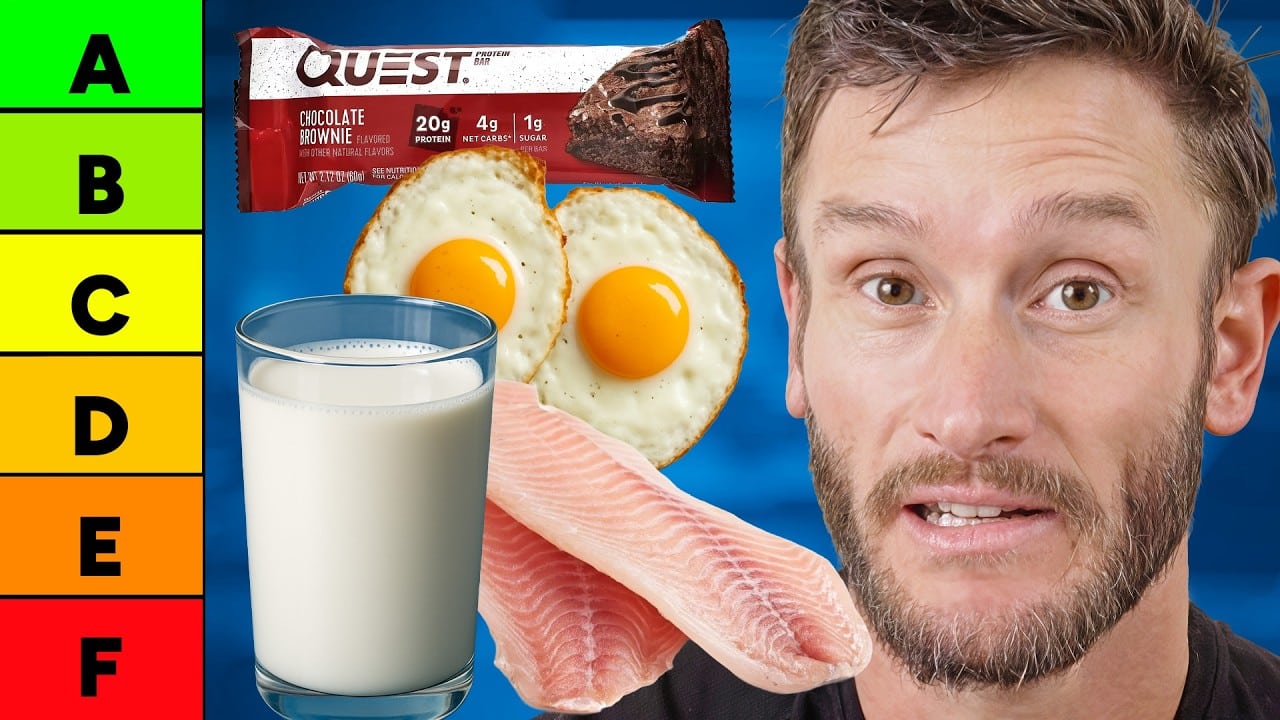
Others that seem less healthy turn out to be surprisingly effective muscle-building powerhouses.
Understanding which proteins truly deliver—and which ones waste money—can transform body composition results.
Jump to:
The Science Behind Protein Quality
Not all proteins digest and absorb equally. The DIAAS score (Digestible Indispensable Amino Acid Score) measures how well protein digests and how effectively the body can utilize it.
Beyond digestibility, several factors determine protein quality:
- Complete amino acid profiles with adequate leucine for muscle building
- Vitamin and mineral content that support overall health
- Fat-to-protein ratios that maximize protein intake without excessive calories
- Bioavailability of nutrients in their whole food matrix
Companies often engage in “protein washing”—adding low-quality protein to products to spike protein content without delivering actual nutritional value. This practice wastes money and fails to provide protein the body can meaningfully use.
Top-Tier Protein Sources
Ground Beef: The Nutritional Powerhouse
Ground beef delivers a DIAAS score of 121 with impressive nutritional depth. High collagen content from natural gristle supports joint health and recovery.
Natural creatine levels make ground beef exceptional for muscle building, recovery, and reducing inflammation. The zinc content bolsters immune function significantly.
Conjugated linoleic acid (CLA) in beef fat actually helps the body utilize fat in mitochondria more efficiently. Ground beef functions less as simple protein and more as a multivitamin-mineral-rich superfood.
Whey Protein Isolate: Fast-Acting Muscle Fuel
Despite being processed, whey protein isolate ranks among the highest-quality proteins available. Its DIAAS score of 125 exceeds even ground beef.
Whey protein isolate absorbs 122% faster and better than casein.
Leucine availability reaches peak levels in whey isolate, making it one of the fastest-absorbing proteins for direct muscle recovery and growth. Though processed, it remains a remarkably solid protein source.
Venison: The Ultimate Red Meat
Venison contains some of the highest creatine levels found in any red meat while remaining exceptionally lean. The calorie-to-protein ratio delivers maximum protein with minimal calories.
Research shows wild game has significantly superior fatty acid profiles compared to conventionally raised meat. All benefits of red meat—CLA, zinc, vitamins—come without excessive fat.
Eggs: Nature’s True Multivitamin
Eggs earn top-tier status not just for their DIAAS score of 122, but for comprehensive nutritional value. They contain vitamins A, D, E, and K in meaningful amounts.
High choline content serves as a precursor to acetylcholine, providing significant brain benefits alongside muscle support. Despite common misconceptions, eggs contain over 50% monounsaturated fats—similar to olive oil’s fatty acid profile.
The combination of high protein, essential vitamins, healthy fats, and brain-boosting compounds makes eggs arguably the most complete protein source available.
Icelandic Skyr: Superior to Greek Yogurt
Icelandic skyr concentrates protein more effectively than Greek yogurt, delivering higher protein-to-fat ratios. Zero-fat skyr provides buttery smoothness comparable to 5% fat Greek yogurt.
The combination of whey, casein, and probiotics offers benefits beyond pure protein. Skyr delivers these advantages with superior texture and nutritional density.
The Surprising Winner: Whey Protein Concentrate
Whey protein concentrate achieves a DIAAS score of 133—higher than isolate at 125. This counterintuitive result demonstrates an important principle.
Concentrate includes not just isolated whey but small amounts of other milk proteins and solids. This whole food matrix actually improves absorption and utilization, even though it seems less pure.
The same principle explains why milk protein (combining whey and casein) ranks among the highest-quality proteins available. Different proteins in their natural combination create superior digestibility compared to isolated forms.
Decent Options With Caveats
Roasted Ribeye
Ribeye delivers an impressive DIAAS score of approximately 130 with excellent creatine, zinc, and nutrient density. However, fat content varies dramatically based on marbling.
Identical weight ribeyes can range from 200 to 300 calories depending on fat ribbons. Trimming makes all the difference between lean protein and excessive fat intake.
Cottage Cheese
Cottage cheese ranks highly for absorption rate and protein quality, but requires careful selection. Avoid any brand containing carrageenan—an emulsifier with concerning gut health research.
Options without carrageenan provide slow-digesting protein with minimal additives, making cottage cheese an excellent choice for sustained protein release.
Sardines
Sardines offer outstanding bang-for-buck protein, but packaging matters immensely. Choose sardines packed in water or olive oil only—never soybean oil or other oxidized oils.
Select varieties with bones and skin included to maximize vitamin D and calcium in their most usable forms.
Overrated Protein Sources
Ground Turkey
While ground turkey contains adequate protein with proper amino acids, it often includes more additives and lower-quality ingredients compared to ground beef or ground chicken. Protein content alone doesn’t tell the full story.
Nut Butters
Marketing nut butters as high-protein foods borders on misleading. Though higher in protein than many foods, they have incomplete amino acid profiles and low DIAAS scores.
The fat-to-protein ratio makes them primarily fat sources, not protein sources. Most commercial nut butters contain oxidized oils from extended shelf time.
Treat nut butters as delicious fat sources, not protein staples.
Casein Protein Powder
Standalone casein protein powder has mediocre taste and poor mixability due to its gelatinous texture. While amino acid profiles remain decent, digestibility scores lag behind other options.
Better to get casein from whole food sources like cottage cheese or yogurt rather than isolated powder.
Soy Protein
Soy protein powder achieves only a DIAAS score of 98—significantly lower than quality options. Isoflavins, low leucine content, and incomplete amino acid scores make it suboptimal.
Even for plant-based eaters, alternatives like sacha inchi or pea protein offer superior profiles.
Proteins to Avoid or Limit
Bacon
Bacon contains protein but functions primarily as a fat source given extreme fat-to-protein ratios. Pork production often involves questionable practices with high antibiotic use.
Quality bacon exists, but should never be counted as meaningful protein intake.
Farm-Raised Tilapia
Farm-raised tilapia ranks among the worst fish options available. Poor fatty acid profiles combine with heavy antibiotic loads and inferior amino acid content.
They are just a dirty fish.
Even high-quality tilapia falls short compared to other affordable fish. Choose chunk light tuna instead—recent research suggests selenium content helps the liver process mercury more effectively.
Core Power Protein Drinks
While Core Power uses decent milk protein (combining whey and casein), artificial sweeteners, thickeners, emulsifiers like carrageenan, and A1 conventional dairy quality create “death by a thousand cuts.”
Regular Fairlife filtered milk offers better options with high protein, lower fat, and fewer additives. Core Power works in emergencies but shouldn’t become daily staples.
Mixed-Meat Hot Dogs
Mystery-meat hot dogs with combined protein sources create problematic fatty acid profiles. If choosing hot dogs, select 100% beef or 100% turkey options—preferably beef for superior fat quality.
The Bone Broth Confusion
Bone broth deserves clarification. As a complete protein source, it fails—don’t count it toward daily protein goals.
However, bone broth provides tremendous benefits for gut health, collagen production, and connective tissue support. Gelatin content supports the gut mucosal layer significantly.
Use bone broth almost daily for these benefits, but understand it complements rather than replaces complete protein sources.
Practical Protein Prioritization
The ideal protein strategy combines multiple high-quality sources throughout the day. Eggs and venison create an unbeatable foundation for comprehensive nutrition.
Add whey protein concentrate for post-workout recovery, Icelandic skyr for sustained protein release, and sardines for omega-3 benefits. Ground beef provides nutrient density that functions beyond pure protein.
Avoid counting bacon, nut butters, or bone broth toward protein targets. These foods offer other benefits but don’t deliver complete, highly digestible protein.
When choosing dairy-based proteins, seek options without carrageenan and other emulsifiers. Select fish packed in water or olive oil only. Trim visible fat from ribeyes to optimize protein-to-calorie ratios.
Quality matters more than quantity. A well-absorbed protein with 20 grams builds more muscle than a poorly-absorbed option with 30 grams. DIAAS scores reveal which proteins truly deliver.