For decades, coaches and athletes have debated whether sexual activity before competition hurts performance—a belief rooted more in tradition than science.
Now, a comprehensive scoping review published in the International Journal of Sports Physiology and Performance has examined all available research on this controversial topic.
The findings challenge long-held myths while exposing critical gaps in our understanding, particularly regarding female athletes and diverse populations.
Here’s what science actually says about sex and athletic performance.
Jump to:
The Timing Makes All The Difference
According to the research team led by Wissem Dhahbi from Qatar Police Academy and colleagues from multiple international institutions, timing is the critical factor when examining sexual activity’s impact on performance.
Available evidence indicates that sexual activity occurring 10 to 12 hours or more before testing produces no observable performance impairment across strength, endurance, power, speed, reaction time, and sport-specific skills.
However, cardiovascular recovery effects do occur when intervals are two hours or less. One study with 16 participants documented maximal lower-limb strength reduction within 24 hours of sexual activity.
What Athletes Actually Believe
Interestingly, athlete perceptions don’t always align with scientific findings.
Survey data revealed that 40% of athletes perceive immediate negative effects from sexual activity on their performance. Yet 90% report no influence when activity occurs 12 hours or more before competition.
This disconnect between belief and evidence highlights how psychological expectations and cultural contexts may be just as influential as any physiological effects.
The Physiological Reality: Minimal Energy Cost
One persistent myth suggests sexual activity depletes energy reserves needed for athletic performance.
The research contradicts this belief. Sexual activity requires only 1.8 to 2.8 metabolic equivalent of tasks (METs)—roughly equivalent to walking slowly or light housework.
This minimal energy expenditure makes depletion an unlikely mechanism for performance impairment.
Proposed Mechanisms Worth Exploring
The review identified several potential pathways through which sexual activity might influence performance:
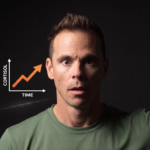
- Hormonal fluctuations: Acute changes in testosterone, cortisol, and other hormones
- Sleep quality: Potential improvements requiring further investigation
- Stress modulation: Possible anxiety reduction before competition
- Cardiovascular recovery: Effects when timing is insufficient
However, researchers emphasize these mechanisms remain hypothesized rather than conclusively proven.
The Glaring Research Gaps
Perhaps most striking is what the review reveals about who has—and hasn’t—been studied.
99% of study participants were male, creating massive underrepresentation of female athletes. This is particularly problematic given potential differences in hormonal responses, recovery patterns, and menstrual cycle interactions.
Small Samples, Limited Diversity
Research quality suffers from multiple limitations:
- Sample sizes ranged from only 2 to 16 participants
- Age diversity was restricted, with studies limited to athletes aged 20-40 years
- Ethnic homogeneity characterized most research populations
- Methodological heterogeneity made direct comparisons difficult
These limitations mean current findings may not generalize to female athletes, younger or older competitors, or diverse ethnic populations.
What This Means For Practice
Based on existing evidence, athletes can confidently engage in sexual activity without performance concerns when timing allows for 10-12 hours of separation from competition.
For morning competitions, this would mean abstaining the night before. For afternoon or evening events, morning activity appears safe.
The 24-hour window documented for strength reduction suggests more conservative athletes might prefer abstaining the day before maximal strength efforts.
Individual Variability Matters
Given the psychological component revealed in athlete surveys, personal beliefs and expectations may be as important as physiological factors.
Athletes who believe sexual activity will harm their performance might experience nocebo effects—negative outcomes driven by expectations rather than biology.
Sleep Quality: The Unexplored Connection
One particularly intriguing area requiring further investigation is sexual activity’s potential impact on sleep quality.
Since sleep is crucial for athletic recovery and performance, any improvements in sleep architecture could theoretically benefit next-day performance—contradicting traditional abstinence beliefs.
Conversely, disrupted sleep from late-night activity could impair performance through well-established sleep deprivation mechanisms.
Future Research Directions
The review’s authors emphasize that rigorous investigations with diverse populations remain necessary to establish evidence-based practice guidelines.
Priority areas include:
- Large-scale studies with female athletes examining menstrual cycle interactions
- Age-diverse samples including adolescent and masters athletes
- Ethnically diverse populations to identify cultural and biological variations
- Sport-specific investigations across different performance demands
- Mechanistic studies clarifying hormonal, cardiovascular, and sleep pathways
The Bottom Line
Centuries of abstinence beliefs lack scientific foundation when appropriate timing is observed.
Current evidence demonstrates no performance impairment when sexual activity occurs 10-12 hours before competition, with only short intervals (under 2 hours) showing cardiovascular recovery concerns.
However, the overwhelming male bias in existing research means these conclusions may not fully apply to female athletes. The minimal energy cost of sexual activity suggests depletion theories are unfounded, while psychological expectations appear influential based on athlete surveys.
Until more inclusive research emerges, athletes should make individualized decisions based on timing guidelines, personal response patterns, and psychological comfort—rather than outdated myths.