In a revealing new interview with NET-A-PORTER’s digital title, PORTER, tennis legend Serena Williams opened up about body image struggles that haunted her throughout much of her career.
The 44-year-old champion shared how having a different physique than other athletes took a serious mental toll during her playing days.
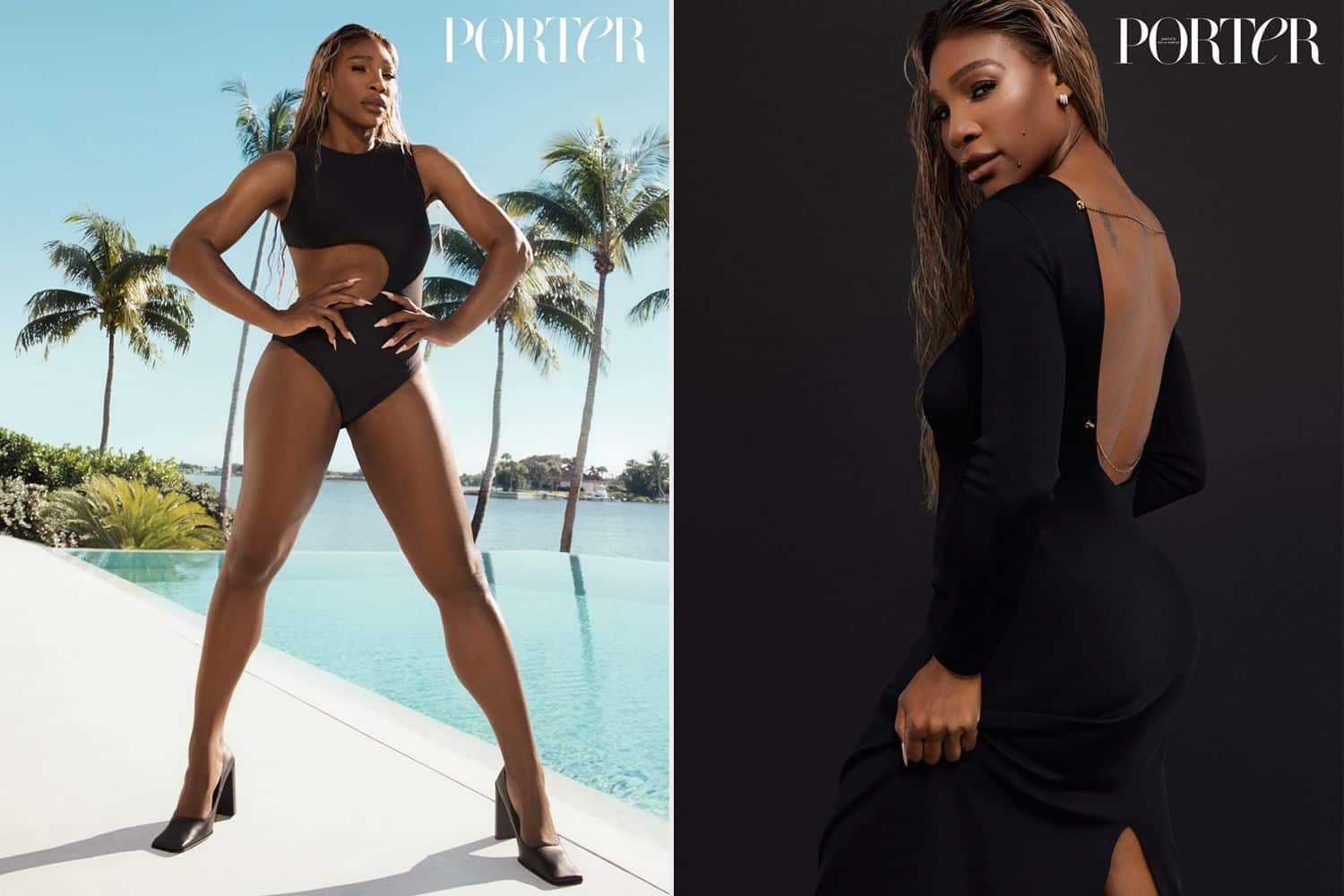
What she’s saying now might help countless young athletes facing similar pressures.
And the changes she’s witnessed for today’s generation of Black tennis stars offer real hope.
Jump to:
When Being Different Felt Like Being Wrong
Williams didn’t hold back when discussing how challenging her early career years were because of constant body comparisons.
It was hard because when I was playing in the beginning – the first 15 years – my body was different. I had big boobs; I had a big butt. Every athlete was like super flat, super thin and beautiful, but in a different way. And I didn’t understand as an athlete how to deal with that.
The 23-time Grand Slam champion emphasized that these external pressures absolutely affected her mentally. She thought she was “large” for her entire life.

If you want something simple that actually works, this is one of the most effective tools I’ve used to build strength, conditioning, and endurance without needing a full gym setup.
- Full-body training with one weight using swings, squats, and presses
- Solid cast iron build that feels stable and lasts for years
- Comfortable grip that makes high-rep workouts easier to handle
Looking back now, Williams has gained crucial perspective about what was actually happening with her body during those years.
You think you’re large for your whole life and you look [back] and you’re like, I was fit. Yeah, I had big muscles. I didn’t look like these other girls but not everyone looks the same.
The Radical Decision She Made at 17
After winning the U.S. Open for the first time at just 17 years old, Williams made a bold choice that would shape her entire career trajectory.
She decided to stop reading anything written about her—positive or negative.
When I was 17, when I won the Open for the first time, I took a decision there. I was so young, but I said I’m never going to read anything about me. At the Open, there was so much positivity, and I thought, I don’t want my head to get too big. I wanted to stay humble. I also thought if it’s negative, I don’t want to read it. I never really read an article after that.
This decision became her armor against criticism that would have broken many others. Williams developed an ability to block out noise that became legendary.
Building Resilience Through Adversity
Williams’ approach to handling negativity reveals just how much she had to endure throughout her career—simply for being Black in tennis.
Growing up and being Black in tennis, it’s just like, well, that comes with negativity… You have something mean to say, get in line. You got to go way back. It’s going to take you a few days to get there. Join the crowd.
She continued with a philosophy that clearly served her well: “I don’t hear the noise. Everyone is entitled to their opinion. How am I going to sit here and change someone’s thought? If [you] don’t like me, you don’t have to.”
If you want something simple that actually works, this is one of the most effective tools I’ve used to build strength, conditioning, and endurance without needing a full gym setup.
- Full-body training with one weight using swings, squats, and presses
- Solid cast iron build that feels stable and lasts for years
- Comfortable grip that makes high-rep workouts easier to handle
That mental toughness didn’t come from nowhere. Williams explained that she refused to let external criticism compound the pressure she already placed on herself.
I’m not going to let anyone bring me down. I put enough stress on myself. The last thing I’m going to allow is someone else to do that.
The Cruel Comparisons She Faced
While Williams chose not to read about herself, she was aware of what people said about her and her sister Venus during their careers.
The comments were often vicious and dehumanizing.
No one’s calling these girls the [things] I was called. People would say we were like men and all this other stuff.
These weren’t just thoughtless remarks—they were targeted attacks that Williams and her sister had to navigate while competing at sport’s highest levels.
A Better Future for Young Black Athletes
Despite everything she endured, Williams expressed genuine happiness that young Black tennis stars like Coco Gauff and Naomi Osaka are experiencing a different landscape today.
It’s changed. No one’s calling these girls the [things] I was called.
Williams acknowledged that internet trolls present new challenges, but she’s relieved that the mainstream media treatment has improved significantly.
If you want something simple that actually works, this is one of the most effective tools I’ve used to build strength, conditioning, and endurance without needing a full gym setup.
- Full-body training with one weight using swings, squats, and presses
- Solid cast iron build that feels stable and lasts for years
- Comfortable grip that makes high-rep workouts easier to handle
Her willingness to discuss these struggles openly helps younger athletes understand they’re not alone when facing body image pressures or discrimination.
What This Means for Body Positivity in Sports
Williams’ story illuminates broader issues about body diversity in athletics that remain relevant today.
Key takeaways from her experience include:
- Athletic bodies come in diverse shapes and sizes – peak performance doesn’t require one specific physique
- Mental health matters – body image struggles can significantly impact athletes’ well-being
- Setting boundaries with media and criticism can be essential for protecting mental health
- Progress is happening – today’s young athletes face different (though not absent) challenges than previous generations
- Representation matters – Williams paved the way for athletes who don’t fit traditional molds
Her retrospective understanding—that she was fit rather than “large”—shows how warped perceptions can become when athletes are constantly compared to narrow beauty standards.
The Ongoing Challenge of Body Image in Athletics
While Williams celebrates progress, body image issues haven’t disappeared from sports. Female athletes across disciplines still face scrutiny about their appearance rather than their performance.
What makes Williams’ approach powerful is her refusal to internalize others’ opinions. By deciding early not to consume media about herself, she protected her mental space.
If you want something simple that actually works, this is one of the most effective tools I’ve used to build strength, conditioning, and endurance without needing a full gym setup.
- Full-body training with one weight using swings, squats, and presses
- Solid cast iron build that feels stable and lasts for years
- Comfortable grip that makes high-rep workouts easier to handle
This strategy won’t work for everyone, but it demonstrates the importance of establishing boundaries between performance and public perception.
Williams’ legacy extends far beyond her record-breaking Grand Slam titles. She changed what’s possible for athletes who don’t conform to traditional expectations about how female athletes “should” look.
Her willingness to speak candidly about these struggles—years after retiring—shows genuine commitment to helping the next generation navigate challenges she faced largely alone.