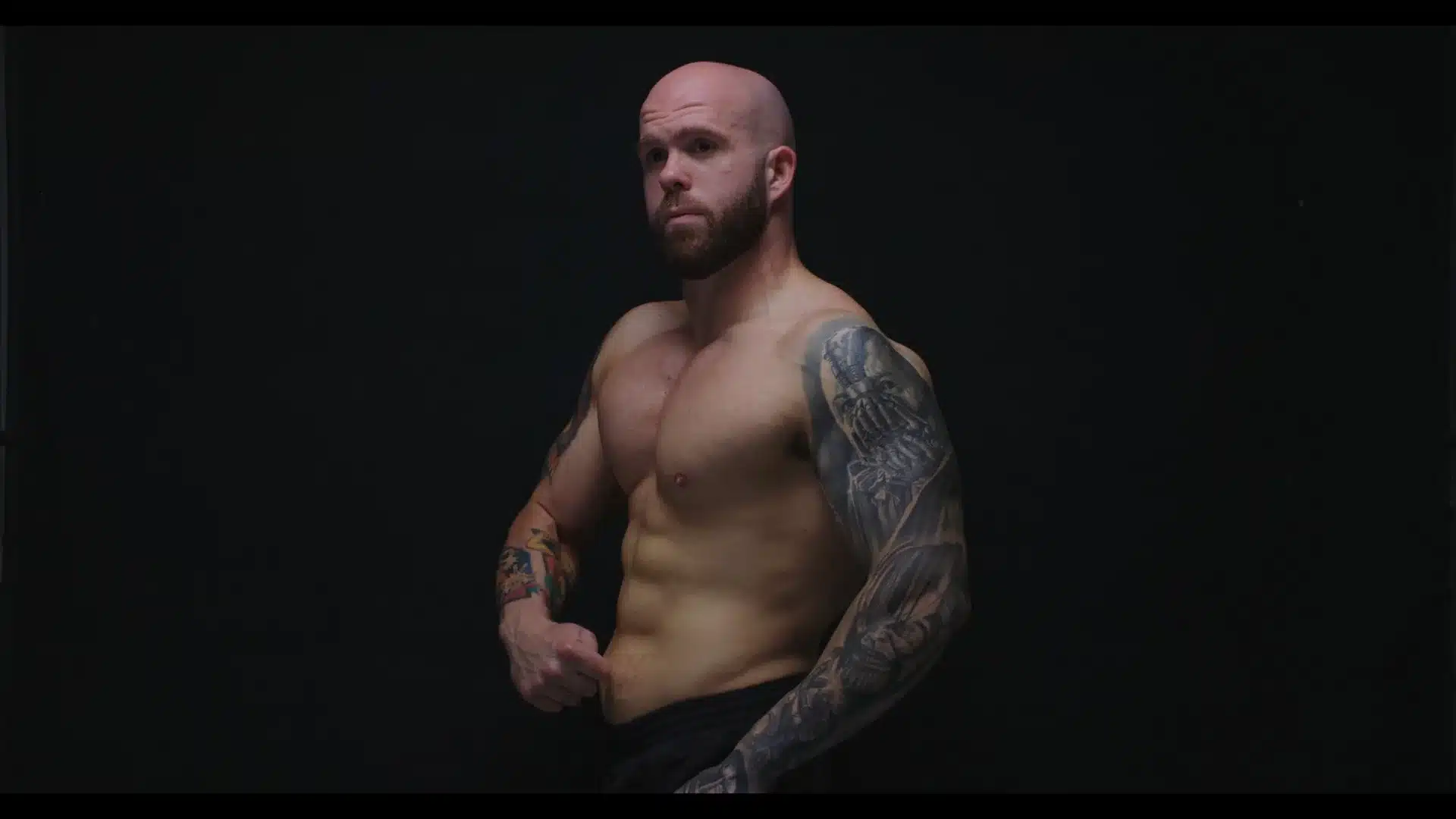
After losing 55 pounds in just over six months, Dr. Pak is finally revealing the science-backed strategies that fueled his fat loss transformation—without sacrificing strength or muscle mass.
This wasn’t an overnight decision. It followed years of intentional bulking, building strength, and patiently priming the body for a lean season.
In this deep dive, you’ll get step-by-step insight on the exact approach—from nutrition and training to mindset and supplements—that helped make a semi-aggressive deficit not only sustainable but unusually successful.
If you’re thinking of embarking on a fat loss journey of your own, this is the real-world walkthrough you’ve been looking for.
Jump to:
Why the Cut Happened Now
Since 2019, Dr. Pak has been operating in a gain-maintain-repeat cycle. During that time, he completed a PhD, coached hundreds of clients, built a gym, and even launched a YouTube channel—all while steadily gaining strength and muscle.
Because of the demanding lifestyle, he prioritized performance and health markers over aesthetic leaness. His waist size, blood pressure, cholesterol, and resting heart rate (consistently in the high 40s to low 50s) all stayed in excellent ranges—even at his bulked-up size of 260 lbs.
But as he leaned into more public science communication, body composition started to matter more.
“Lean is law,” he candidly admitted. Viewers were often more receptive to nutrition and physique advice when it came from someone who looked the part. Ultimately, the cut wasn’t just for aesthetics—it was also a professional choice to break through perceived credibility barriers in the fitness space.
The Nutrition Strategy That Delivered Results
Surprisingly, there was no overly rigid master plan. The strategy was simple, effective, and firmly grounded in evidence-based practices.
Calorie Deficit, Simplified
Dr. Pak chose a daily deficit of 1,000 calories, aiming for about 2,000 total. Because of his long-standing habit of tracking steps, calories, and weight since 2017, this number wasn’t a guess—it was based on actual data.
While many fear muscle loss at aggressive deficits, evidence suggests this fear can be overstated—especially at higher body fat percentages. As he noted, his 25% body fat starting point gave him more margin than someone already lean.
Protein: The Muscle-Saving Macro
High protein intake was a non-negotiable—averaging 2.2 to 2.5 grams per kg of body weight or about 3 grams per kg of fat-free mass. This aligns with a recent 2025 meta-regression showing a 99% probability that higher protein protects muscle during cutting phases.
Keeping It Simple with Whole Foods
- Protein staples: whey isolate, cottage cheese, lean meats.
- Daily fiber targets hit via vegetables and fruits (e.g., broccoli and berries).
- Occasional treats: protein ice cream, sushi, overnight oats with toppings.
No cheat meals, no diet breaks, no structured refeeds—just consistent adherence with variety built in.
The Mental Side of Restriction
He emphasized that cutting aggressively only works long-term when your relationship with food is in a good place.
If restrictive eating makes you obsess or rebound, don’t do it. But for someone with years of self-monitoring and experience maintaining weight, the fatigue of dieting was more mental than physical—and largely manageable.
Supplements: Only the Essentials
Dr. Pak took a minimalist approach to supplements, including:
- Whey Isolate — Two shakes per day, paired with protein milk.
- Creatine Monohydrate — Daily staple to support strength and endurance.
- Vitamin D3 and a Multivitamin — Basic health coverage, especially living in the UK.
- EAAs — For flavor and placebo; not necessary for most if protein is adequate.
He also mentioned one outlier: nicotine gum. While not endorsing it, he transparently shared that using gum helped suppress appetite during the cut. He had already used it to quit vaping, and its beneficial side-effect was leveraged during this phase—but with a clear disclaimer not to start using it this way.
Training During a Deficit
Despite a 1,000 calorie deficit, there was no drop in strength. In fact, relative strength increased.
He trained using his own AI-based app MyAdapt, selecting four days per week and prioritizing upper chest, back, and delts. All sessions were built dynamically based on recovery, time, and preferences.
Training Details
- Frequency: 4–6 sessions/week
- Volume: 15–25 sets per upper-body muscle group; 10–12 for legs
- Format: All sets to failure, with some optional “YOLO” workouts thrown in
He also walked 13–15k steps daily and was deliberate about his NEAT—moving more, fidgeting, standing at the beach for 7 hours—turning day-to-day living into fitness progress.
The Results: And the DEXA Says…
Final DEXA scan results: 12.8% body fat at 95 kg, meaning he lost about 17 kg of fat and just 6 kg of fat-free mass. An impressive milestone given the aggressive pace, all while feeling good, staying strong, and preserving aesthetics.
Metabolic Adaptation: Should You Worry?
Despite rapid fat loss, he experienced no signs of significant metabolic slowdown. While studies like the “Biggest Loser” show metabolic adaptation is real, it’s less severe when you:
- Keep resistance training in
- Eat plenty of protein
- Don’t undergo extreme exercise hours per day
His measured resting metabolic rate appeared unusually high (3,200 calories), likely affected by pre-test caffeine. Still, based on consistent weight drops, his calorie response matched predictions.
The Real Key to Fat Loss: Find Your WHY
What made this cut different from prior attempts? Purpose.
“This time, the cut was essentially for work, and that made all the difference,” said Dr. Pak. The process wasn’t about insecurity or pressure—it was about showing others what’s possible and removing a communication barrier in the world of fitness education.
So if you’re aiming to lose a lot of weight, take this advice to heart: find a deeper reason to do it beyond aesthetics. Whether it’s being a role model, improving health, or preparing for something meaningful, the why is what keeps you going when it gets tough.
What’s Next?
Now that the cut is done, the plan is to reverse into maintenance, gradually increase calories, and reduce protein to about 1.8 g per kilogram of body weight—making room for more carbs and fat.
Expect to see a small weight increase due to higher food volume and glycogen replenishment, but he’s not anticipating rebound fat gain or metabolic damage.
The Big Takeaway
Cutting doesn’t have to be complicated. With a simple, consistent plan rooted in science—and a mindset aligned with a higher purpose—it’s possible to lose a significant amount of fat without wrecking your body or mindset.
Dr. Pak’s journey might look extreme, but the steps he took are surprisingly actionable:
- Keep protein high
- Strength train consistently
- Track progress but trust the process
- Improve your relationship with food
- Make NEAT a lifestyle, not a task
- And most of all, know your WHY
If you’re ready to begin your own transformation, take a page from Dr. Pak’s book: simplicity, consistency, and purpose win every time.